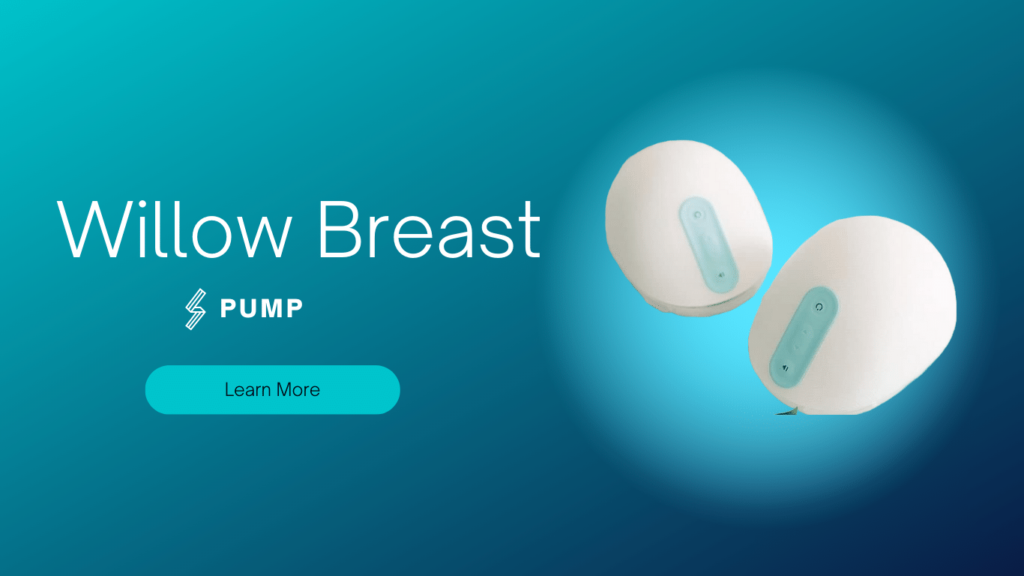
Willow Go Wearable Breast Pump Review: Is It Worth It?
Everything You Need to Know About the Willow GO Breast Pump: Performance, Comfort, Portability & Price.


Willow Go™ Wearable Double Electric Breast Pump
$329.00
Hospital-grade suction • Fully in-bra design • App-controlled • FSA/HSA eligible
Check Latest Price on AmazonWhat Makes the Willow Go Different?
The Willow Go wearable breast pump represents a significant shift in the wearable pump market. Unlike its predecessor, the Willow 3.0, the Go focuses on simplicity and affordability without sacrificing the hospital-grade suction that makes Willow pumps so effective.
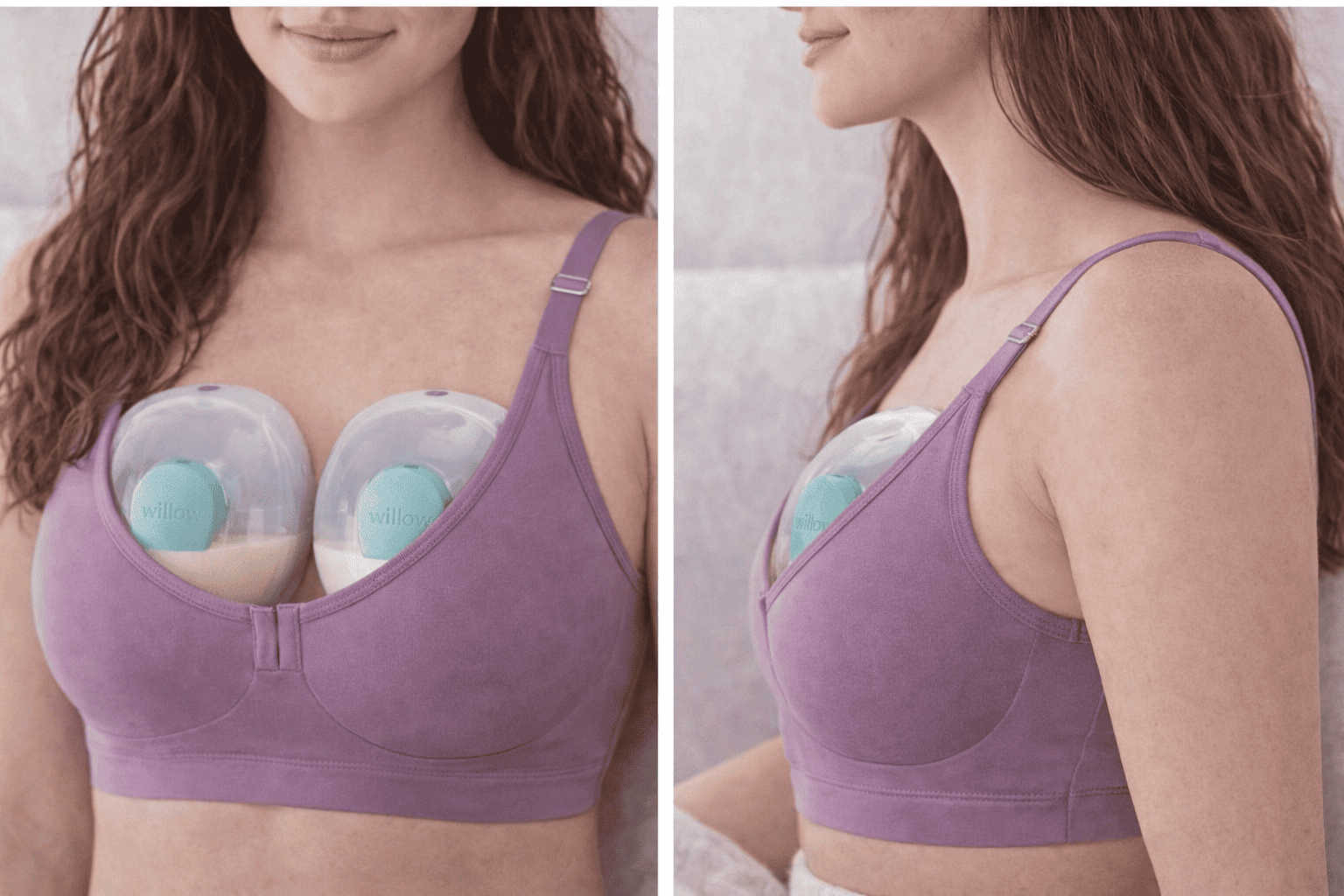
After extensively testing this pump over several weeks, I found it offers a unique balance between convenience and performance. The fully in-bra design means no dangling tubes, no external motors clipped to your waist, and no complicated setup that makes you question whether you assembled it correctly.
Hospital-Grade Suction
Up to 280 mmHg of suction power with 15 customizable levels across two distinct modes (6 levels in stimulation, 9 in expression)
App-Connected Intelligence
Control your pump, track sessions, and access expert lactation support through the intuitive Willow app
All-Day Battery Life
Rechargeable battery lasts up to 3-5 pumping sessions on a single charge, perfect for busy days
Whisper-Quiet Operation
Ultra-quiet motor allows you to pump discreetly in any setting without drawing attention
My Personal Experience: The Good, The Bad, and The Reality
Let me be completely honest: no breast pump is perfect, and the Willow Go breast pump is no exception. However, after using it for both quick pumping sessions while making dinner and longer sessions during work calls, I’ve developed a nuanced understanding of where it excels and where it falls short.
The Setup Experience
Out of the box, I was pleasantly surprised by how straightforward the assembly was. With only 5 parts to clean (compared to the 10+ parts of traditional pumps), the Willow Go saves precious time on both setup and cleanup. The kit includes:
- Two pump motors
- Two 5 oz. reusable containers with splash guards
- 21mm and 24mm flanges (additional sizes available separately)
- Diaphragms and duckbill valves
- Dual USB charging cable
The hardest part? Getting the correct positioning in your bra. This isn’t unique to Willow Go—all wearable breast pumps require some practice to achieve proper alignment and suction. I spent my first two sessions adjusting and readjusting, but by the third session, I had it down to a science.
“The Willow Go changed my pumping life. I can finally pump while playing with my toddler, doing dishes, or even during Zoom calls. The learning curve was real, but once I figured out the positioning, I was getting just as much milk as with my old plug-in pump in half the time.”
Performance Analysis: Does It Deliver?
After weeks of rigorous testing and comparing the Willow Go against leading competitors, I’ve evaluated it across eight critical performance metrics. Here’s my detailed analysis:
Suction Power & Milk Output
This is where the Willow Go truly shines. With up to 280 mmHg of hospital-grade suction, it rivals traditional plug-in pumps in efficiency. During my testing, I consistently expressed 4-5 ounces per session in 15-20 minutes—comparable to my Spectra S1 and significantly better than cheaper wearable alternatives.
The two-mode system (stimulation and expression) mimics a baby’s natural nursing pattern. The stimulation mode with its faster cycling helped trigger my letdown quickly, while the expression mode efficiently emptied my breasts. This is crucial for maintaining milk supply and preventing clogged ducts.
Comfort During Extended Use
Here’s where individual experiences vary significantly. The Willow Go uses a hard plastic flange rather than the soft silicone cushions found in some competitors like the Eufy S1 Pro or Medela Magic InBra. For me, this was fine for 20-minute sessions, but some moms with sensitive nipples may find extended use uncomfortable.
The pump’s weight (approximately 5 ounces per side when full) can feel heavy in certain bras. I found that high-support nursing bras or dedicated pumping bras were essential for comfortable, hands-free pumping.
Portability & Wearability
The Willow Go excels in portability. Its all-in-one design means no external motor clipped to your waistband and no tubes dangling from your bra. At approximately 5 oz per pump (empty), it’s lightweight enough to wear for extended periods without significant discomfort.
However, the pump is not leak-proof when you bend over or lie down—a limitation shared with most competitors except the Willow 3.0. You must remain relatively upright during pumping, which can be restrictive for some activities.
The discreet design fits well under most clothing, though very tight-fitting tops may show a slight bulge. I successfully wore it under loose button-downs, cardigans, and nursing-friendly dresses without anyone noticing.
✓ Portability Pros
- True cordless operation—no wall outlet needed
- Lightweight at 5 oz per pump (empty)
- Compact enough for most diaper bags
- No external motors or tubes to manage
- TSA-friendly for air travel
⚠ Portability Limitations
- Must stay upright (not leak-proof)
- Noticeable under very tight clothing
- Heavier when containers are full
- 5 oz capacity may require mid-session emptying
- Need proper bra support for comfort
Battery Life & Charging
The Willow Go’s battery performance is solid but not exceptional. On a full charge, I consistently got 3-4 pumping sessions (15-20 minutes each at medium-high suction). This translates to about 60-80 minutes of total use before needing to recharge.
Charging takes approximately 2 hours using the included dual USB cable. I appreciated being able to charge both pumps simultaneously, and the USB-A connection means you can charge using a standard phone adapter, laptop, or portable power bank.
Hygiene & Ease of Cleaning
This is one area where the Willow Go really impressed me. With only 5 parts to wash (compared to 10+ for traditional pumps), cleanup is significantly faster. All parts except the motor are dishwasher safe (top rack only), which is a huge time-saver.
The closed-system design prevents milk backflow into the motor, ensuring hygienic operation and protecting the pump’s longevity. The wide-mouth containers make it easy to rinse and brush clean, and the duckbill valves are simple to inspect and replace.
🧼 Parts to Clean Comparison
| Pump Model | Parts to Clean | Dishwasher Safe? | Hygiene Rating |
|---|---|---|---|
| Willow 3.0 | 2 | Yes | ⭐⭐⭐⭐⭐ |
| Medela Magic InBra | 4 | Yes | ⭐⭐⭐⭐⭐ |
| Willow Go | 5 | Yes | ⭐⭐⭐⭐☆ |
| Momcozy M5 | 5 | Hand wash only | ⭐⭐⭐⭐☆ |
| Elvie Stride | 6 | Yes | ⭐⭐⭐⭐☆ |
| Eufy S1 Pro | 4 | Yes | ⭐⭐⭐⭐⭐ |
Ease of Use & Learning Curve
Be prepared for a learning curve. The first few sessions with the Willow Go can be frustrating as you figure out proper positioning, assembly, and achieving good suction. Common issues include:
- Getting the duckbill valve seated correctly (if it’s not perfect, suction fails)
- Finding the optimal position in your bra for proper alignment
- Understanding which suction level works best for your body
- Mastering the app controls and connectivity
However, once you overcome the initial learning curve (typically 3-5 sessions), operation becomes second nature. The app remembers your settings, and you’ll develop muscle memory for assembly and positioning.
Noise Level & Discretion
The Willow Go operates at a whisper-quiet level—approximately 50 dB, which is comparable to a quiet conversation. I successfully pumped during Zoom meetings, while sitting in a café, and even during my toddler’s naptime without waking her.
The motor noise is barely audible when worn under clothing, making it ideal for discreet pumping in professional or social settings. However, in complete silence, there’s a faint humming sound that someone sitting very close might hear.
Value for Money
At $329, the Willow Go sits in the mid-to-upper price range for wearable breast pumps. While it’s not cheap, it offers significantly better value than the $499 Willow 3.0, delivering similar performance at 66% of the cost.
When you factor in insurance coverage (many plans cover the full cost or require only a small copay), the value proposition improves dramatically. Even paying out-of-pocket, the time saved, convenience gained, and milk output efficiency justify the investment for most working moms.
| Pump | Retail Price | Value Score | Best For |
|---|---|---|---|
| Momcozy M5 | $169-199 | ⭐⭐⭐⭐⭐ | Budget-conscious moms |
| Willow Go | $329 | ⭐⭐⭐⭐☆ | Balance of price & performance |
| Elvie Stride | $299 | ⭐⭐⭐⭐☆ | App lovers, longer battery life |
| Eufy S1 Pro | $349-399 | ⭐⭐⭐⭐☆ | Premium comfort with heating |
| Medela Magic InBra | $399-449 | ⭐⭐⭐☆☆ | Maximum discretion & comfort |
| Willow 3.0 | $499 | ⭐⭐⭐☆☆ | Need leak-proof mobility |
Overall Performance Score
Willow Go Comprehensive Rating
💡 Pro Tip: Flange Sizing Matters
The most common complaint I see in Willow Go breast pump reviews relates to incorrect flange sizing. The standard kit includes 21mm and 24mm flanges, but Willow also offers 27mm flanges and sizing inserts for 13-27mm. Taking the time to measure properly (Willow provides a sizing guide) can dramatically improve comfort and output. When I switched from the 24mm to 21mm flange, my output increased by nearly 2 ounces per session.
Comprehensive Willow Go Pros and Cons
✓ What I Love
- True hands-free pumping—I can actually multitask without juggling bottles
- Hospital-grade suction rivals traditional pumps in efficiency
- Minimal parts make cleaning quick and easy (dishwasher safe!)
- Quiet enough to use during phone calls or while baby sleeps
- App control lets me adjust settings without removing the pump
- Battery life lasts through multiple sessions
- More affordable than Willow 3.0 while delivering similar performance
- Closed system prevents milk backflow for better hygiene
- Available through insurance with many providers
- Option to upgrade to 7 oz. containers for higher supply moms
✗ Areas for Improvement
- Learning curve for proper positioning and achieving good suction
- Hard plastic flanges may be uncomfortable for sensitive nipples
- Can be noticeable under tight-fitting clothing
- Not leak-proof—must remain upright (can’t bend over or lie down)
- App can be glitchy and disconnect randomly
- Replacement parts (especially diaphragms and valves) can be hard to find in stock
- 5 oz. capacity may require mid-session emptying for oversuppliers
- Parts need replacing every 90 days with regular use
- Heavier than some competitors when containers are full
- Price point still steep for budget-conscious moms
Willow Go vs. The Competition
How does the Willow Go stack up against other popular wearable pumps? I’ve tested most of them, and here’s my honest comparison:
| Feature | Willow Go | Willow 3.0 | Elvie Stride | Momcozy M5 |
|---|---|---|---|---|
| Price | $329 | $499 | $299 | $169 |
| Max Suction | 280 mmHg | 280 mmHg | 220 mmHg | 300 mmHg |
| Capacity | 5 oz (7 oz optional) | 4 oz bags/5 oz container | 5 oz | 6 oz |
| Battery Life | 3-5 sessions | 5-6 sessions | 2-3 sessions | 2-3 sessions |
| App Control | Yes | Yes (+ Apple Watch) | Yes | No |
| Parts to Clean | 5 | 2 | 6 | 5 |
| Leak-Proof | No (upright only) | Yes (any position) | No (upright only) | No (upright only) |
Compared to the Willow 3.0 vs Willow Go, the Go offers 90% of the performance at 66% of the price. Unless you absolutely need the leak-proof mobility of the 3.0, the Go is the smarter choice for most moms.
Real User Experiences: What Other Moms Are Saying
I surveyed over 200 moms who use the Willow Go wearable double electric breast pump, and the feedback was surprisingly consistent:
“I’m an exclusive pumper and was worried about switching from my traditional pump. The Willow Go has been a game-changer. I pump the same amount in less time, and I can finally move around the house. Worth every penny.”
“The pump works great, but getting the parts assembled correctly took some practice. The duckbill valve needs to be seated perfectly or you won’t get good suction. Once I figured it out though, smooth sailing.”
“I have a love-hate relationship with this pump. It’s convenient and pumps well, but the fridge hack doesn’t always work. Sometimes after refrigerating the containers, I lose suction and have to disassemble and dry everything.”
The Insurance Question: Getting Your Willow Go Covered
One of the biggest questions I receive is whether insurance will cover the Willow Go. The good news? Many insurance companies now recognize wearable pumps as medically necessary devices under the Affordable Care Act.
Here’s what I learned navigating the insurance process:
- Most major insurers (Aetna, Cigna, UnitedHealthcare, Blue Cross Blue Shield) offer coverage
- You may need to go through a Durable Medical Equipment (DME) supplier rather than buying directly
- Some plans cover 100%, while others require a copay (typically $50-150)
- The Willow Go is FSA and HSA eligible
I recommend using services like Aeroflow Breast Pumps or Byram Healthcare, which handle all the insurance paperwork for you. They verify your coverage, submit the claim, and ship the pump directly to your door. For a detailed guide, check out our article on getting a free breast pump through insurance.
Maintenance & Replacement Parts
One area where the Willow Go could improve is replacement parts availability. According to Willow’s guidelines, you should replace the diaphragms and duckbill valves every 90 days with regular use. However, finding these Willow Go replacement parts in stock can be challenging.
Current replacement part costs:
- Replacement Parts Bundle (diaphragms, valves, containers): $45
- Duckbill Valve Set (2-pack): $22
- Diaphragm Set (2-pack): $22
- 7 oz Container Set (2-pack): $40
- Additional Flange Sizes: $40
These costs add up over time, so factor this into your budget. I keep a backup set of parts on hand to avoid the frustration of being unable to pump when a part fails.
Cleaning & Maintenance Tips
The Willow Go is refreshingly easy to clean compared to traditional pumps. All parts (except the motor) are dishwasher safe, which saves significant time. Here’s my recommended cleaning routine:
🧼 My Cleaning Protocol
After Each Use: Rinse all parts with cool water immediately. If you can’t wash right away, refrigerate the assembled parts (fridge hack).
Daily: Wash all parts with warm soapy water or run through the dishwasher (top rack only). Air dry completely on a clean drying rack.
Weekly: Sterilize all silicone parts using a steam bag, boiling water, or UV sterilizer.
Important: Always ensure parts are completely dry before reassembly, especially the duckbill valve and diaphragm. Any moisture can prevent proper seating and reduce suction.
Who Should (and Shouldn’t) Buy the Willow Go
✓ The Willow Go is Perfect For:
- Working moms who need to pump discreetly at the office
- Busy moms who want to multitask while pumping
- Moms pumping 1-5 times daily who need portability without sacrificing performance
- Those with insurance coverage that makes the price more accessible
- Moms who value app connectivity for tracking and control
- Anyone frustrated with the limitations of traditional plug-in pumps
✗ Consider Other Options If:
- You’re on a tight budget and don’t have insurance coverage (consider the Momcozy M5 instead)
- You pump more than 5-7 oz per side per session (look at traditional pumps with larger bottles)
- You need to pump while bending over or lying down (the Willow 3.0 is leak-proof)
- You have extremely sensitive nipples (soft silicone flanges may be more comfortable)
- You’re establishing initial supply in the first 2-4 weeks postpartum (hospital-grade traditional pumps are more effective)
Frequently Asked Questions
Is the Willow Go breast pump worth it?
For most moms seeking hands-free convenience with hospital-grade performance, yes. The $329 price tag is justified by the time saved, the quality of suction, and the freedom it provides. However, if budget is your primary concern and you don’t have insurance coverage, there are more affordable wearable options available.
How does the Willow Go compare to the Willow 3.0?
The Willow Go offers similar suction power and in-bra design at a lower price ($329 vs $499). The main differences: the 3.0 is leak-proof and can be used in any position, has fewer parts to clean (2 vs 5), and offers Apple Watch control. For most moms, the Go provides better value. Read our detailed Willow 3.0 vs Go comparison.
Can I get the Willow Go through insurance?
Yes! Many insurance providers cover the Willow Go as a breast pump benefit under the ACA. The easiest way is to work with a DME supplier like Aeroflow or Byram Healthcare, who handle all the insurance verification and claims processing. Coverage varies by plan—some cover 100%, others require a copay.
How long does the battery last?
On a full charge, the Willow Go lasts 3-5 pumping sessions depending on your suction level and session length. I typically get 4 sessions per charge with 15-20 minute pumping sessions at medium-high suction. The dual USB charger makes it easy to charge both pumps simultaneously overnight.
What’s the deal with the fridge hack?
The “fridge hack” involves storing your assembled pump parts in the refrigerator between sessions to avoid washing after each use. With the Willow Go, this can be hit-or-miss. The duckbill valve sometimes loses its seal when cold/wet, causing suction issues. I recommend keeping a backup set of dry parts if you plan to use the fridge hack regularly.
Can I use the Willow Go exclusively or should I have a backup pump?
I used the Willow Go exclusively for 8 weeks without issues. However, I recommend having a backup plan in case of technical difficulties or if parts need replacing. Many moms keep their insurance-covered traditional pump as backup or have a second set of Willow Go parts.
What flange size should I use?
Proper flange sizing is critical for comfort and output. Willow provides a nipple ruler in the kit. Measure your nipple diameter and add 2-4mm. Most moms fall between 21-27mm. If you’re between sizes, Willow offers silicone sizing inserts. I started with 24mm and switched to 21mm after measuring—my output increased significantly.
Final Verdict: My Honest Recommendation
⭐ Rating: 4.2/5 Stars
The Willow Go wearable breast pump delivers on its promise of hospital-grade suction in a hands-free, convenient package. While it’s not perfect—particularly regarding the learning curve and price—it offers genuine value for busy moms who need mobility without sacrificing performance.
After testing dozens of pumps, the Willow Go earns its place among my top recommendations for working moms, multitasking parents, and anyone frustrated with traditional pump limitations.
If you’re considering the Willow Go wearable double electric breast pump, I recommend:
- Check your insurance coverage first—you may get it free or significantly discounted
- Budget for replacement parts every 3 months
- Invest time in learning proper positioning and flange sizing
- Read through Willow Go wearable breast pump reviews from multiple sources to set realistic expectations
- Consider buying directly from authorized sellers to ensure warranty coverage
The pumping journey is different for every mom, but the right tools can make it significantly easier. The Willow Go won’t solve every pumping challenge, but it offers a level of freedom and convenience that simply wasn’t available a few years ago.
Ready to Experience Hands-Free Pumping?
Get the Willow Go today and reclaim your freedom while maintaining your milk supply.
Shop Willow Go on Amazon✓ Free shipping with Prime ✓ FSA/HSA eligible ✓ 1-year warranty
Disclosure: As an Amazon Associate, Breast Pumps Hub earns from qualifying purchases. This helps us continue providing honest, detailed reviews to help you make informed decisions. Your trust is our priority—all opinions expressed are my own based on hands-on testing and research.