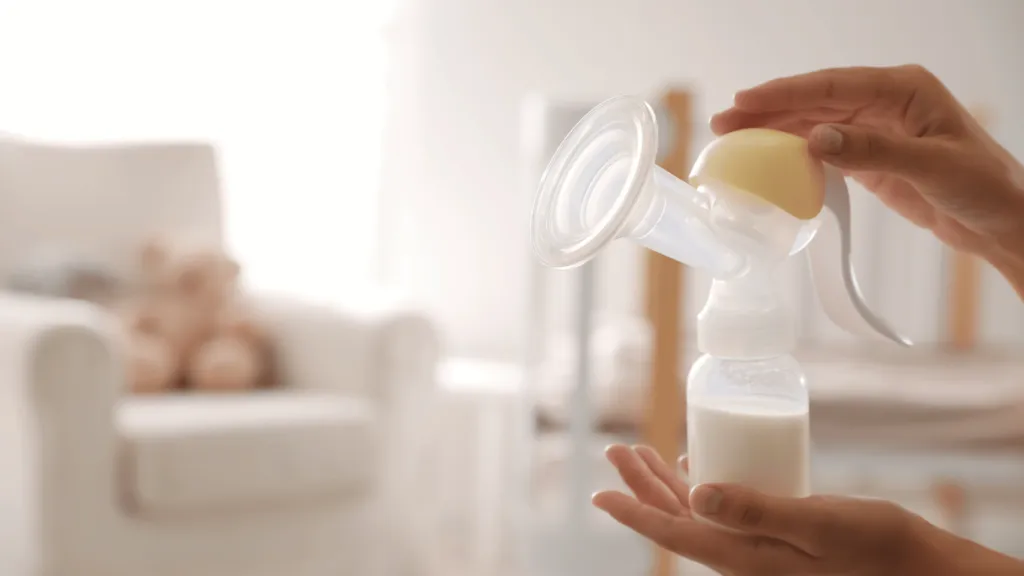
How Long Should I Pump After Breastfeeding? The Complete Guide Every Mom Needs

Quick Answer: How Long Should I Pump After Breastfeeding?
For most moms, pumping for 10-15 minutes after breastfeeding is ideal for building a milk stash without causing oversupply. If your goal is to boost milk production, you can extend this to 15-20 minutes per session. The key is to pump within 30-60 minutes after nursing, when your breasts are already in “milk-making mode.” However, your body’s unique rhythm matters more than any rigid timeline.
Let me start by saying this: I’ve been exactly where you are right now. Standing in my kitchen at 2 AM, holding my breast pump in one hand and my phone in the other, desperately Googling “how long to pump after nursing” while my baby slept peacefully in the next room. After two kids and testing over 50 different breast pumps, I’ve learned that the answer isn’t just about minutes on a clock—it’s about understanding your body and your goals.
Understanding the Science Behind Pumping After Breastfeeding
Here’s what I wish someone had told me during those early days: your breasts never truly “empty.” They’re constantly producing milk in real-time, which means you can always pump after nursing. When your baby feeds, they remove the bulk of available milk, triggering your body to make more. By pumping immediately after, you’re essentially telling your body, “Hey, we need even more milk!”
This supply-and-demand relationship is the foundation of successful lactation. Every time milk is removed from your breasts—whether by your baby or a pump—your body interprets this as demand and responds by producing more milk.
The Perfect Pumping Timeline After Nursing
Through my years of experience and extensive testing with different wearable breast pumps, I’ve found that timing matters, but not as much as consistency. Here’s what works for most moms:
| Your Goal | Recommended Duration | Best Timing | Frequency |
|---|---|---|---|
| Building a freezer stash | 10-15 minutes | 30-60 minutes after nursing | Once daily (morning sessions typically yield more) |
| Boosting milk supply | 15-20 minutes | Immediately after nursing | After every feeding or 2-3 times daily |
| Occasional bottle prep | 10 minutes | When breasts feel fuller (usually mornings) | As needed, 3-4 times per week |
| Relieving engorgement | 5-10 minutes | When uncomfortable | As needed for comfort |
Morning Sessions: Your Secret Weapon
I cannot emphasize this enough: morning pumping sessions after breastfeeding are absolute gold. Your prolactin levels (the milk-making hormone) peak between 1-5 AM, which means you’ll typically see better output if you pump after that first morning feeding. During my own journey, I consistently got 2-3 ounces after morning sessions compared to barely 1 ounce in the evenings.
How Soon Can I Breastfeed After Pumping?
This is one of the most common questions I hear from moms, and honestly, it used to stress me out too. The beautiful truth? You can breastfeed immediately after pumping if your baby is hungry. Your breasts never completely empty, and they’re constantly producing milk.
That said, here’s what I learned through experience:
- Right after pumping: Your breasts may feel softer, but milk is still available. Your baby might need to nurse a bit longer, but they’ll get what they need.
- After 30-60 minutes: Your breasts will have replenished somewhat, offering a fuller feeding experience for your baby.
- After 2-3 hours: Your breasts should feel fuller again, similar to a regular feeding interval.
Pro Tip from My Experience: I used to stress about this constantly with my first baby. Then I realized something crucial: babies are remarkably efficient. Even when I thought my breasts were “empty” after pumping, my little one would latch on and somehow still get milk. Our bodies are designed for this!
Choosing the Right Pump for Post-Nursing Sessions
Not all pumps are created equal for pumping after breastfeeding. I’ve tested everything from hospital-grade double electrics to compact wearables, and each has its place. For post-nursing sessions, I personally prefer using a Motif Luna or Willow 3.0 because they offer the right combination of suction strength and convenience.
My Top Recommendations Based on Real Testing:
For Building a Stash: The Motif Duo gives you reliable suction without breaking the bank. At just 15 minutes per session, it efficiently expresses milk after nursing.
For Busy Moms: Wearable pumps like the Bellababy or Momcozy M5 let you pump hands-free while you tackle other tasks. Just slip them into your bra after nursing and go about your day.
For Maximum Output: Hospital-grade pumps still reign supreme when you need the most milk in the shortest time. They’re worth the investment if you’re serious about building a substantial freezer stash.
Step-by-Step: How to Pump After Nursing Like a Pro
After countless pumping sessions and many trial-and-error moments, I’ve developed a routine that works beautifully. Here’s my proven process:
- Finish nursing your baby completely. Don’t rush this step. Let them nurse as long as they want on both sides.
- Set up your pump within 15-30 minutes. The sooner you pump after nursing, the more your body perceives this as one continuous session.
- Get comfortable and relaxed. I cannot stress this enough—stress inhibits letdown. I used to look at photos of my baby on my phone, which genuinely helped!
- Start with massage mode (if your pump has one). This mimics your baby’s initial sucking pattern and triggers letdown faster.
- Switch to expression mode after 1-2 minutes. This is when the actual milk removal happens.
- Pump for your target duration. For most moms, this is 10-15 minutes total.
- Don’t panic about the amount. Some sessions you’ll get 3 ounces, others just half an ounce. Both are normal!
Important Warning: If you’re pumping after every single feeding right from the start, you might create an oversupply situation. This sounds great in theory but can lead to painful engorgement, clogged ducts, and even mastitis. Start gradually—maybe just once daily after your most productive feeding—and increase only if needed.
Common Challenges and Real Solutions
Challenge #1: “I’m Not Getting Enough Milk When I Pump”
I remember feeling so discouraged when I’d pump for 15 minutes and only get an ounce. Here’s what helped me: First, understand that pumps are never as efficient as babies. Your baby might be getting 4-5 ounces while you only pump 1-2 ounces from the same breast. This is completely normal!
Solutions that worked for me:
- Upgraded to a better pump with stronger suction
- Used breast massage before and during pumping
- Made sure my flange size was correct (this was huge!)
- Stayed hydrated—seriously, water intake makes a difference
- Pumped consistently at the same time daily to establish a routine
Challenge #2: “How Long Should I Pump After Nursing to Increase Supply?”
When I needed to boost my supply with my second baby, I learned that consistency matters more than duration. Pumping for 15-20 minutes after nursing, done 2-3 times daily, was more effective than one 45-minute marathon session.
The technique called “power pumping” also worked wonders for me: After nursing, I’d pump for 10 minutes, rest for 10 minutes, pump for 10 minutes, rest for 10 minutes, and pump for 10 minutes one final time. This mimics cluster feeding and really signals your body to ramp up production.
Challenge #3: “My Baby Seems Hungry Right After I Pump”
This happened to me constantly! Murphy’s Law of motherhood, right? The good news is your breasts are never truly empty. Go ahead and nurse your baby. They might need to work a bit harder or nurse longer, but the milk is there. Plus, the extra stimulation will help your supply in the long run.
When NOT to Pump After Breastfeeding
There are times when pumping after nursing isn’t the best idea. I learned these lessons the hard way:
- When you already have oversupply: If you’re constantly engorged or leaking heavily, adding more pumping will make things worse.
- During the newborn phase (before 2 weeks): Unless medically necessary, let your supply establish naturally first.
- When you’re exhausted: Sleep is crucial for milk production. Sometimes skipping a pump session to rest is the better choice.
- If you have recurring clogged ducts or mastitis: Talk to a lactation consultant first about the safest approach.
Real Mom Schedules: What Actually Works
Theory is great, but let’s talk about real life. Here’s what different pumping schedules looked like for me and other moms I’ve worked with:
The Working Mom Schedule:
6:00 AM – Nurse baby
6:30 AM – Pump for 10 minutes (freeze this milk)
9:00 AM – Pump at work (15 minutes)
12:00 PM – Pump at work (15 minutes)
3:00 PM – Pump at work (15 minutes)
6:00 PM – Nurse baby immediately
9:00 PM – Nurse baby before bed
This schedule maintained supply and built a modest freezer stash over time.
The Stay-at-Home Mom Building a Stash:
7:00 AM – Nurse baby
7:30 AM – Pump for 15 minutes (best output!)
10:00 AM – Nurse baby
1:00 PM – Nurse baby
4:00 PM – Nurse baby
7:00 PM – Nurse baby
10:00 PM – Nurse baby before bed
Just one pumping session daily added up to 150+ ounces in the freezer over a month.
Maximizing Your Pumping Output: Tricks I Swear By
After pumping for two babies and testing dozens of techniques, here are the strategies that genuinely made a difference:
- The “looking at baby photos” trick: It sounds silly, but oxytocin (the love hormone) triggers letdown. Scroll through your phone while pumping!
- Warm compress before pumping: I’d microwave a damp washcloth for 30 seconds and drape it over my breasts. Game changer.
- Breast massage during pumping: Using your hands to compress while the pump works extracts significantly more milk.
- The right suction level: Higher isn’t always better. I found my sweet spot at level 5 on most pumps—strong enough to be effective but not painful.
- Hands-free pumping bra: Seriously, invest in one. Being able to use both hands changes everything.
Troubleshooting: When Things Don’t Go as Planned
Your Pump Output Suddenly Drops
This happened to me around 3 months postpartum. Common culprits include hormonal changes (especially if your period returns), stress, dehydration, or pump parts wearing out. Check your pump valves and membranes first—I was shocked how much replacing worn parts improved my output.
You’re Exclusively Pumping After Attempting to Nurse
If you’ve transitioned to pumping after nursing attempts that didn’t work out, you’ll need a different approach. In this case, you’re not pumping “after breastfeeding” but replacing breastfeeding entirely. You’ll need to pump every 2-3 hours (8-10 times daily) to maintain supply, with sessions lasting 15-20 minutes each.
Baby Refuses Bottles with Your Pumped Milk
This isn’t technically a pumping problem, but it’s related. Try different bottle nipples, have someone else give the bottle (babies can smell you!), and ensure the milk temperature is just right. Also, check if your pumped milk has high lipase—this can make it taste soapy, but it’s still safe and nutritious.
Frequently Asked Questions
Should I pump from both breasts after nursing?
It depends on your nursing session. If your baby only nursed from one breast, pump the other side. If they nursed from both, I’d recommend pumping both sides for balance. However, don’t stress about perfect symmetry—many moms have one breast that produces more than the other (I certainly did!).
Can I combine milk from different pumping sessions?
Yes, but cool freshly pumped milk in the refrigerator before adding it to already-cooled or frozen milk. Never add warm milk directly to frozen milk, as this can partially thaw the frozen portion.
How do I know if I’m pumping too much?
Signs of overproduction include constant engorgement, frequent clogged ducts, baby choking or pulling away during nursing due to fast letdown, and producing significantly more than your baby needs. If this happens, gradually reduce pumping duration and frequency.
Is pumping for 5 minutes worth it?
Absolutely! Even 5 minutes of pumping after nursing provides valuable stimulation. While you might not get much milk in that short time, you’re still signaling your body to maintain production. When I was exhausted, I’d set a 5-minute timer and call it good enough—and it was.
The Bottom Line: Trust Your Body and Your Baby
After all my experience with pumping and testing different breast pumps, here’s what I want you to remember: There’s no perfect formula that works for every mom. The “right” amount of time to pump after breastfeeding is the amount that helps you meet YOUR goals without making you miserable.
For most moms, 10-15 minutes is the sweet spot for building a freezer stash. If you’re working on increasing supply, extend that to 15-20 minutes. And if you’re just trying to stay sane while managing the demands of motherhood? Five minutes counts. Every minute counts.
Your pumping journey will look different from mine, and that’s perfectly okay. Some days you’ll get an ounce, others you’ll fill a bottle. Some weeks you’ll pump religiously after every feeding, others you’ll skip days because life happens. Give yourself grace. You’re doing an amazing job, even when it doesn’t feel like it.
Remember, I’ve been in your shoes—literally standing at my kitchen counter at ridiculous hours, questioning whether I’m doing this right. And here’s what I learned: if your baby is growing, you’re doing it right. If you’re showing up day after day, you’re doing it right. And if you’re reading this article trying to learn and do better for your baby, you’re absolutely doing it right.
Need more guidance on choosing the perfect pump for your journey? Check out my detailed reviews of the Willow 3.0 vs Willow Go or explore our comprehensive breast pump reviews to find the best fit for your lifestyle.
Want to know how to store human breast milk here is our in depth guide.
And before you go, don’t miss our helpful guide on how to get a free breast pump through insurance—it walks you through eligibility, required steps, and tips to make the process quick and stress-free. Read it to ensure you’re getting the support and benefits you deserve.