
How to Get a Free Breast Pump Through Insurance in 2026
Your complete, nurse-approved roadmap — covering every major insurer, every top pump brand, and every step of the process.

As a registered nurse who has personally tested over 50 breast pump models — and navigated the insurance system for both of my own babies — I can tell you this with confidence: you are legally entitled to a free breast pump through your health insurance. Thanks to the Affordable Care Act, most insurers must cover breast pumps at zero out-of-pocket cost. Yet every week I see moms miss this benefit because nobody explained the process clearly. This guide will change that.
The ACA: Your Legal Right to a Free Breast Pump
Understanding why this coverage exists helps you advocate for yourself — and fight back if your insurer pushes back.
What Does the Affordable Care Act Actually Say?
Section 2713 of the Affordable Care Act (ACA), effective August 1, 2012, requires all non-grandfathered health insurance plans to cover “comprehensive lactation support and counseling by a trained provider during pregnancy and/or the postpartum period, and costs for renting breastfeeding equipment” — with no cost-sharing to you. That means no copay, no deductible, no coinsurance.
The requirement was later expanded to cover the purchase (not just rental) of a breast pump. The specific type — manual vs. electric, single vs. double — is left to each insurer, which is why coverage varies. Most plans today cover a double electric pump, and some even cover wearable pumps.
Grandfathered plans (plans that existed before March 23, 2010 and haven’t changed substantially) are exempt. If yours is grandfathered, your insurer must notify you. These are increasingly rare.
The ACA also amended the Fair Labor Standards Act (FLSA) to require employers to provide reasonable break time and a private, non-bathroom space for nursing mothers to pump for up to one year after birth.
I’ve helped hundreds of moms claim this benefit. The most common mistake I see? Waiting too long to start the process. Start reaching out to your insurer in your second trimester — you’ll thank yourself later.
Do I Qualify for a Free Breast Pump Through Insurance?
The short answer for most moms: yes. Here is a clear breakdown of who qualifies and under what circumstances.
- ✓ You have a private health insurance plan (employer-sponsored or individual) that was issued on or after August 1, 2012 and is non-grandfathered.
- ✓ You purchased a Marketplace (Healthcare.gov) plan — all Marketplace plans are ACA-compliant and must cover a breast pump.
- ✓ You are enrolled in Medicaid — most state Medicaid programs cover breast pumps, especially through the ACA’s Medicaid expansion. WIC participants are also typically covered.
- ✓ You are a military family covered by TRICARE — TRICARE covers one manual or electric pump per birth, adoption, or surrogacy.
- ✓ You are pregnant or have recently given birth — coverage applies prenatally and postpartum. You don’t need to be currently breastfeeding to order.
- ✓ You are listed as the primary insured, or are covered as a dependent on a qualifying plan. Note: you must be personally covered — you generally cannot claim a pump through a partner’s insurance if you’re not on their plan.
If you have a grandfathered plan, a self-funded employer plan (also called ERISA plans), or certain short-term health plans, your coverage may be limited or exempt from ACA requirements. Always verify directly with your insurer before assuming you’re covered.
Special Circumstances That May Qualify You for Enhanced Coverage
Beyond a standard pump, certain situations unlock additional benefits:
- ✦NICU admission: Babies in the NICU often qualify the mother for a hospital-grade pump rental (like the Medela Symphony), covered fully or mostly by insurance. Ask your hospital lactation consultant immediately.
- ✦Multiple births (twins, triplets+): Some plans provide an upgraded pump or additional supplies. Always ask explicitly.
- ✦Low milk supply with medical documentation: A letter of medical necessity from your OB or IBCLC can unlock hospital-grade pump coverage.
- ✦New pregnancy: Most plans cover one new pump per pregnancy, meaning you can get a fresh pump with your next baby.
- ✦Changing insurance mid-pregnancy: You’re typically eligible under your new plan — check their timing requirements.
How to Get a Breast Pump Through Insurance: My Complete Step-by-Step Guide
After helping hundreds of moms navigate this process — and going through it twice myself — I’m sharing the exact steps I use every time. No confusion, no runaround, just a clear path from “where do I start?” to pump delivered at your door.
“With my first baby, I waited until 36 weeks and scrambled through paperwork while exhausted. With my second, I started at 28 weeks and had my pump waiting before baby arrived. Trust me — start early. Future you will be so grateful.”
— Charlotte Rose, RN, Mom of TwoContact Your Insurance Provider
Flip your insurance card over and call the member services number. This single call will save you hours of confusion later. When you get through, ask these specific questions:
- ?“Which breast pump brands and models are covered under my plan?”
- ?“Which Durable Medical Equipment (DME) suppliers are in-network?”
- ?“Do I need a prescription from my OB-GYN or midwife?”
- ?“When can I place my order — during pregnancy or only after delivery?”
- ?“Are accessories like storage bags or replacement parts covered?”
Get Your Prescription
Most insurance plans require a prescription from your OB-GYN, midwife, or nurse practitioner before they’ll approve your breast pump. The good news? This is routine — your provider has written hundreds of these.
At your next prenatal appointment, simply say: “Can you write me a breast pump prescription for my insurance?” They’ll know exactly what to do. The prescription should ideally include:
- ✓HCPCS code E0603 — the standard code for a double electric breast pump
- ✓Your name and date of birth
- ✓Your due date or delivery date
- ✓Provider’s NPI number and signature
Choose the Right Pump for Your Lifestyle
Now comes the part I genuinely enjoy helping moms with! Based on your insurer’s approved list, it’s time to pick a pump that actually fits your life — not just what’s on the shelf. Ask yourself:
- ✦Pumping at work or on the go? Look at wearable options like the Eufy S1 Pro, Elvie Stride, or Willow Go — hands-free, discreet, and silent.
- ✦Exclusively pumping? You need serious suction. The Spectra S1 or S2 and Medela Pump In Style are my top picks.
- ✦Budget-conscious? The Motif Luna is fully covered by most plans and impressively performs above its price point.
- ✦NICU or low supply? Ask your insurer and OB about hospital-grade pump rental coverage — this is a separate, often overlooked benefit.
Order Through an In-Network DME Supplier
A Durable Medical Equipment (DME) supplier is the company that processes your insurance claim and ships the pump to your door. You must use a supplier that is in-network with your insurance — using an out-of-network supplier is the #1 reason claims get denied.
You have three ways to order:
- 1Directly through a DME supplier (recommended) — companies like Aeroflow, Byram, or Lucina Care handle all insurance paperwork for you.
- 2Through your OB’s office — some practices have a DME partnership and can process the order during a prenatal visit.
- 3Through your hospital — many hospitals have lactation programs that facilitate breast pump ordering before discharge.
Receive, Inspect & Set Up Your Pump
When your pump arrives, don’t just toss it in the nursery and forget it until baby comes. Take 20 minutes to do this:
- ✓Open the box and verify all parts are present — flanges, tubing, bottles, valves, membranes, and power adapter.
- ✓Check that you received the exact model you ordered — mistakes happen!
- ✓Register your pump on the manufacturer’s website to activate your warranty.
- ✓Read the manual and sterilize all parts before first use — boil or use a steam sterilizer.
- ✓Do a test run before baby arrives so you’re not troubleshooting at 2AM with a hungry newborn.
Connect with a Lactation Consultant
This step is the one most moms skip — and it’s the one that makes the biggest difference. Under the ACA, your insurance is also required to cover lactation counseling at no cost to you. An IBCLC (International Board Certified Lactation Consultant) can:
- ✓Optimize your pump’s suction and cycle settings for your body
- ✓Help address latch issues, low supply, or pain during pumping
- ✓Create a pumping schedule tailored to your lifestyle
- ✓Guide you on when and how to introduce bottle feeding alongside nursing
🌸 Premium Brands I’ve Personally Tested & Reviewed
Use a DME supplier like Aeroflow or Byram Healthcare. Fill out their online eligibility form with your insurance details, and they’ll contact your insurance AND your OB’s office on your behalf. The whole process takes about 10 minutes on your end — then you just wait for the pump to arrive. I wish I’d known this with baby #1!
Free Breast Pump With Insurance Provider
Here’s the real-world breakdown for each major insurer — what’s typically covered, timing rules, and insider tips I’ve gathered from my own experience and from moms I’ve helped.
Blue Cross Blue Shield (BCBS)
Nationwide – varies by state plan
Typically Covered: Double electric pump (manual or single on some plans)
When to Order: Usually during 3rd trimester or after birth
Common Suppliers: Aeroflow, Edgepark, Byram
Prescription Required: Usually yes
Wearable Pumps: Some BCBS plans cover Elvie Stride at full cost
Aetna Breast Pump Coverage
Most plans cover standard electric pumps
Typically Covered: Manual or double electric pump
When to Order: During pregnancy or after delivery
Common Suppliers: Aeroflow, Milk Moms, Byram
Prescription Required: Usually yes (from OB or midwife)
Hospital-Grade: Available with medical necessity documentation
UnitedHealthcare Breast Pump
Often includes extras beyond just the pump
Typically Covered: Double electric pump + often milk storage bags
When to Order: Varies by plan; some allow 3rd trimester
Common Suppliers: Medela Direct, Aeroflow, Byram
Prescription Required: Depends on plan
Bonus Coverage: Many UHC plans cover lactation consultant visits
Cigna Breast Pump Coverage
Generous selection; 3rd trimester ordering
Typically Covered: Personal-use double electric pump
When to Order: Third trimester (most plans)
Common Suppliers: Lucina Care, Aeroflow
Prescription Required: Yes — ask your OB at any prenatal visit
Accessories: Many Cigna plans include replacement parts
TRICARE for Military Families
Among the most generous benefits available
Typically Covered: Manual or electric pump per birth/adoption
When to Order: From 27 weeks pregnant or after delivery
Supplies Covered: Tubing, bottles, milk storage bags
Prescription Required: Not for basic pumps — just proof of pregnancy
Wearable Options: Available with some upgrade fees
Kaiser Permanente
In-house process — straightforward but specific
Typically Covered: Standard electric breast pump with prescription
When to Order: Typically after delivery (some plans allow during pregnancy)
Common Suppliers: Kaiser-approved DME only
Prescription Required: Yes
Tip: Must use Kaiser-approved suppliers; third-party DMEs not accepted
Medicaid Breast Pump
Coverage in all 50 states — process varies by state
Typically Covered: Manual or electric pump (state-dependent)
When to Order: During pregnancy or after delivery
Common Suppliers: Lucina Care, Aeroflow, state-specific DMEs
Prescription Required: Usually yes
WIC: WIC participants typically qualify; contact local WIC office to confirm
Healthcare.gov Marketplace Plans
All Marketplace plans must comply with ACA
Typically Covered: One breast pump per pregnancy (rental or purchase)
When to Order: During pregnancy — some allow early 2nd trimester
Common Suppliers: Milk Moms, Byram Healthcare, Aeroflow
Prescription Required: Varies by underlying insurer
Note: Your specific insurer administers the plan; contact them directly
Best Breast Pumps Covered by Insurance (2026)
I have personally tested every pump below. Here’s my honest assessment of what each is great for — and which coverage category to expect.
Workhorse Pumps — Usually Fully Covered
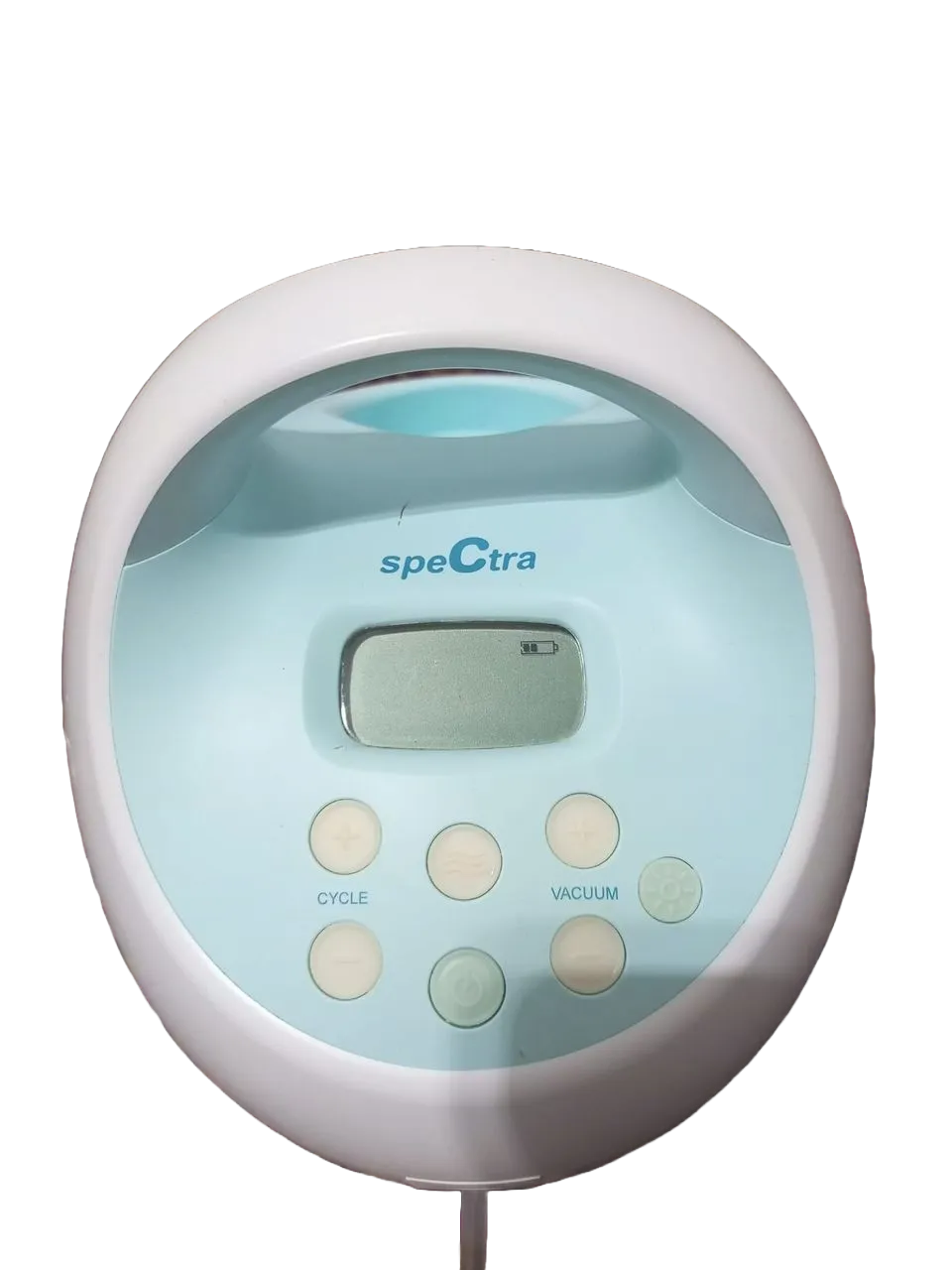
Spectra S1 Plus
Upgrade Fee (~$30–$80)- Hospital-grade suction (270 mmHg)
- Built-in rechargeable battery (3 hrs)
- Ultra-quiet closed system
- Night light for 3AM sessions
- Blue color — pumps anywhere
Spectra S2 Plus
Fully Covered (Most Plans)- Same hospital-grade motor as S1
- Closed system — hygiene protected
- Lightweight at 2.7 lbs (pink)
- No battery — needs outlet
- Best value: usually $0 out-of-pocket
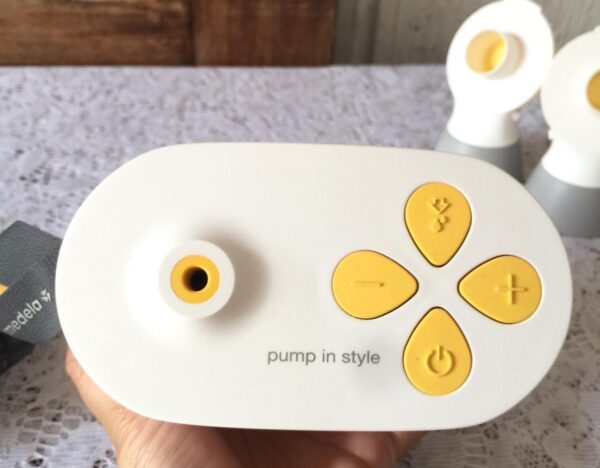
Medela Pump In Style
Typically Covered- Trusted clinical-grade brand
- PersonalFit Flex connectors
- Simple 2-phase expression
- Stylish tote bag included
- Open system — replace parts per baby

Motif Luna
Fully Covered (Most Plans)- Compact travel-friendly design
- Night light for late sessions
- Memory function for settings
- Quiet closed-system motor
- Great budget-friendly pick
Freedom Pumps — Upgrade Fee Usually Applies

Elvie Stride
Covered on Select Plans- Wearable in-bra design
- Bluetooth app control
- Near-silent operation
- Specifically designed for insurance
- Note: Elvie acquired by Willow (2025/2026)
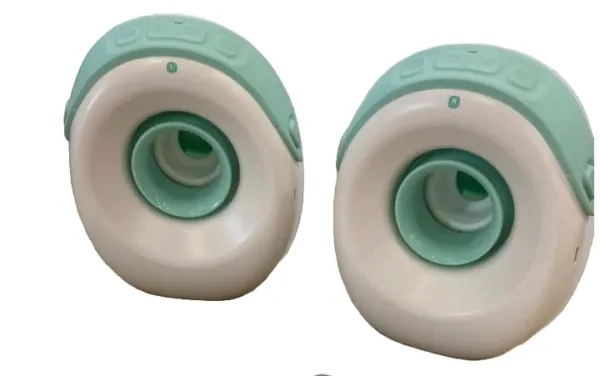
Willow Go
Upgrade Fee (Varies)- Tubeless, 360° spill-proof
- Hospital-grade suction
- 5 oz or 7 oz containers
- App controlled & trackable
- Now owned by Willow + Elvie brand family
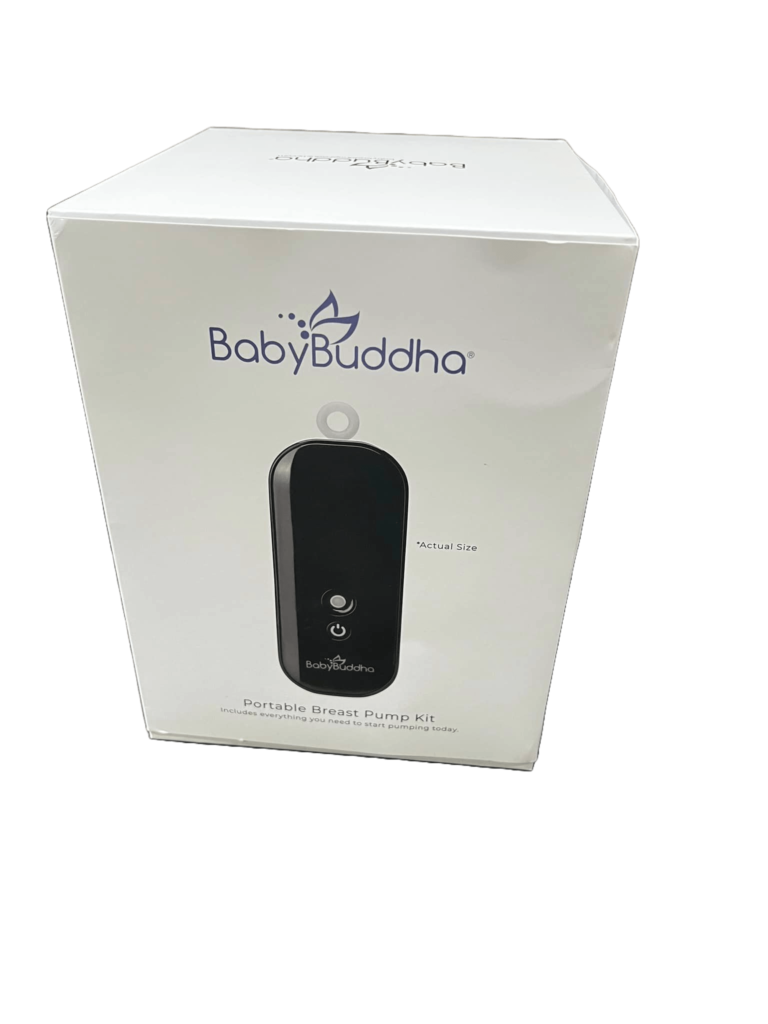
BabyBuddha
Sometimes Covered- Incredibly compact — purse-sized
- Powerful despite tiny size
- USB-C rechargeable
- 8 suction levels
- Great for moms who travel
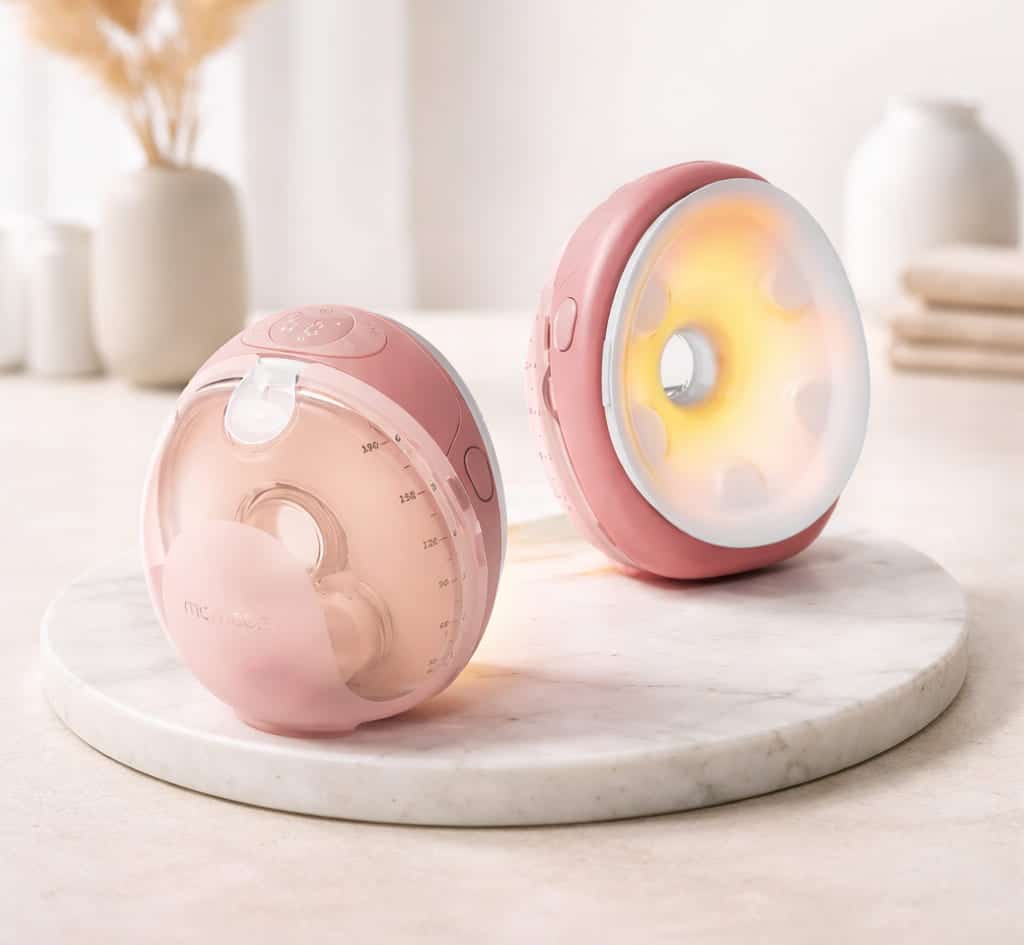
Momcozy (Select Models)
Covered on Select Plans- All-in-one wearable design
- LCD display on device
- Multiple suction modes
- Widely accepted by insurers
- Great mid-range value

Eufy S1 Pro
Covered on Select Plans- Smart auto-adjustment technology
- AI-powered suction optimization
- Completely tubeless wearable design
- Real-time app data & session tracking
- Up to 4 hrs battery life per charge
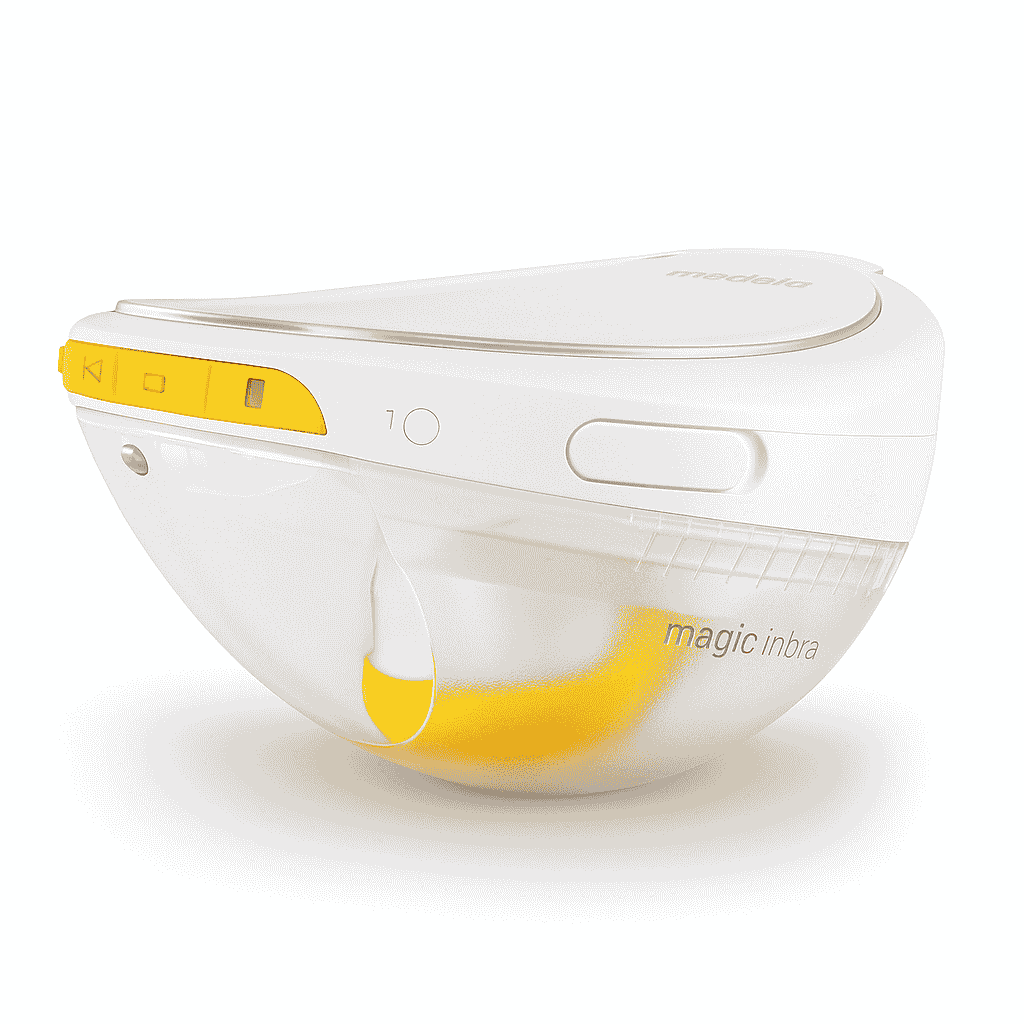
Medela Magic inBra
Upgrade Fee (Varies)- Completely in-bra, no dangling parts
- Medela’s trusted clinical suction
- Feather-light — barely noticeable
- Smart app for session monitoring
- Compatible with Medela accessories
Spectra S1 vs S2: Which Should You Get Through Insurance?
This is one of the most-searched questions by moms using insurance benefits — and for good reason. These two pumps are nearly identical except for one crucial difference.
“The S2 is almost always the smarter choice for moms who primarily pump at home or work. The S1’s upgrade fee only makes sense if you genuinely need to pump away from outlets daily — like during a long commute or on trips. Both produce identical amounts of milk.”
— Charlotte Rose, RN, Breast Pump Tester| Feature | Spectra S1 Plus (Blue) | Spectra S2 Plus (Pink) |
|---|---|---|
| Insurance Coverage | Usually upgrade fee ($30–$80) | Usually fully covered at $0 |
| Battery | ✓ Built-in rechargeable (3 hrs) | ✗ Must plug into outlet |
| Suction Power | 270 mmHg (hospital-grade) | 270 mmHg (hospital-grade) |
| Closed System | ✓ Yes | ✓ Yes |
| Night Light | ✓ Yes | ✓ Yes |
| Weight | ~3 lbs (slightly heavier) | ~2.7 lbs (slightly lighter) |
| Portability | High — untethered pumping | Medium — near outlet needed |
| Pump Modes | Massage + Expression | Massage + Expression |
| Warranty | 90-day parts / 2-yr pump | 90-day parts / 2-yr pump |
| Color | Blue only | Pink only |
| Best For | Moms on the go, commuters, travel | Home/office pumpers, budget-conscious |
If your insurer covers the S2 for free, the S2 is the right choice for most moms. The motor, suction, hygiene, and milk output are identical to the S1. Only pay the S1 upgrade fee if you genuinely need battery-powered pumping on a regular basis.
Wearable Breast Pumps Through Insurance
Wearable pumps changed my life with my second baby. I was able to pump during patient rounds at the hospital. If your lifestyle demands mobility, the upgrade fee is 100% worth it — but make sure to check that your insurer’s contracted DME supplier carries your preferred model before falling in love with a specific pump.
Best DME Suppliers for Getting Your Pump Through Insurance
A Durable Medical Equipment (DME) supplier is your middle-woman between your insurance company and your doorstep. They verify your benefits, obtain your prescription, and ship your pump — often handling everything for you. Here are the most reputable ones.
Aeroflow Breastpumps
Largest breast pump DME in the US. Handles all paperwork. Wide selection including Spectra, Medela, Motif, Willow. Easy online eligibility form.
Byram Healthcare
National network, excellent customer service. Specializes in guiding new moms through insurance paperwork. Carries Elvie, Lansinoh, and more.
Milk Moms
Browse by insurance provider and pump brand. Personal service from mama-focused team. BCBS and UHC specialists.
Lucina Care
Excellent for Medicaid moms. Checks insurance eligibility and ships with accessories included. Fast processing.
Edgepark
Long-established national supplier. Carries Evenflo, Zomee, Spectra. Simple 3-step online form. Multiple insurance network contracts.
Breastpumps.com (MedSource)
User-friendly experience, works with Ameda, Motif, and more. Direct insurance billing. Good for straightforward orders.
First confirm that the DME is in-network with your insurance — using an out-of-network supplier is the #1 reason claims get denied. Then confirm they carry the specific pump model you want. If you’re unsure, call your insurer and ask which DME suppliers are preferred or in-network for your plan. Want a deeper breakdown of DME companies? Read my full guide: Best Companies to Order Breast Pump Through Insurance →
What Else Does Insurance Cover?
Many moms don’t realize that their insurance may cover more than just the pump itself. Here’s what to ask about when you’re verifying your benefits:
- ✓Breast milk storage bags: Some plans (especially UnitedHealthcare) cover storage bags. Always ask — this alone can save you $50+ per pregnancy.
- ✓Replacement pump parts: Flanges, tubing, valves, and membranes typically wear out and may be covered under your benefits — especially if the pump malfunctions. Ask your DME supplier about the resupply process.
- ✓Lactation consultant visits: Under the ACA, your insurance must also cover lactation counseling (IBCLC visits) with no cost-sharing. An IBCLC can help optimize your pump settings, improve latch, and address supply issues. Don’t skip this benefit! Search “lactation consultant near me” and verify coverage first.
- ✓Hospital-grade pump rentals: For NICU situations, premature birth, low supply, or multiples, your insurer may cover rental of a hospital-grade pump like the Medela Symphony. This requires a prescription and often a letter of medical necessity.
- ✓Nursing pads & breast shields: A smaller number of plans cover these accessories. Worth a 5-minute phone call to your insurer to check.
When Should I Order My Breast Pump?
Timing matters. Here’s the pregnancy timeline that I recommend to every mama I work with.
Weeks 20–24: Start Research
Review your insurance benefits online, identify covered pump models, and note which DME suppliers are in-network. No need to order yet — just gather information.
Weeks 28–30: Get Your Prescription
At your 28-week prenatal appointment, ask your OB or midwife to write a breast pump prescription. The script should include HCPCS code E0603 and be dated within 90 days of your order.
Weeks 30–34: Place Your Order
This is the ideal window. Most insurers allow ordering from the 3rd trimester. Contact your chosen DME supplier, submit the insurance eligibility form, and select your pump. Allow 1–3 weeks for processing and delivery.
Weeks 35–38: Receive & Prepare
Your pump should arrive before your due date. Unbox it, read the manual, sterilize the parts, and practice assembling it. Trust me — you do not want to be figuring this out at 2AM with a newborn!
Postpartum: Still Eligible!
Forgot to order before delivery? Most plans cover ordering postpartum too — usually up to 12 months after birth. Call your insurance and a DME supplier to start the process now.
My Top Tips From 9 Years in Healthcare & 2 Babies
What I Wish Someone Had Told Me
1. Write down every conversation. Date, time, representative name, and what was said. If there’s ever a billing dispute, this documentation is invaluable.
2. Use a DME supplier who handles the paperwork. Companies like Aeroflow and Byram will contact your OB for the prescription, verify your insurance, and file the claim — all for free. There’s no reason to do this yourself.
3. Ask about breast milk storage bags upfront. Some plans cover them; most moms never ask. A box of 100 bags costs $15–$25 — that’s money back in your pocket.
4. You can get a new pump for each baby. Don’t assume you have to reuse an old pump. Most plans provide a fresh pump with every new pregnancy — and with an infant in the house, a brand-new, fresh pump matters for hygiene.
5. Your insurer must cover a lactation consultant. This is an often-missed benefit. An IBCLC can genuinely change your breastfeeding journey. Book one prenatally if possible — they’re booked up fast postpartum.
6. If denied, appeal — and win. Insurance denials are not the end. Ask for the denial in writing, have your OB write a letter of medical necessity, and submit an appeal. Most denials are overturned when challenged with proper documentation.
Frequently Asked Questions
Can I really get a breast pump through insurance at no cost?
Yes. Under the Affordable Care Act, all non-grandfathered health insurance plans are required to cover breastfeeding equipment — including a breast pump — with no cost-sharing to you. This means no copay, no deductible, and no coinsurance. The specific pump type (manual vs. electric, brand, model) varies by insurer and plan, but the zero-cost benefit is a federal legal requirement.
How do I know which breast pump is covered by my insurance?
The fastest way is to submit your insurance information to a DME supplier’s online eligibility form (Aeroflow, Byram, or Lucina Care all have these). They’ll respond within 1–2 business days with a list of covered pumps under your specific plan. You can also call your insurer’s member services number and ask directly which pump models and brands are covered, and which DME suppliers are in-network.
What is the difference between a Spectra S1 and S2 for insurance purposes?
The Spectra S2 is usually fully covered by insurance at $0 because it only plugs into a wall outlet. The Spectra S1 has a built-in rechargeable battery that makes it portable — this “luxury” feature means most insurance plans classify it as an “upgrade,” requiring you to pay the difference (typically $30–$80 out of pocket). Both pumps have identical motors, suction strength (270 mmHg), and milk output. Choose the S1 only if you genuinely need to pump without an outlet regularly.
Can I get a wearable breast pump (like Elvie or Willow) through insurance?
Yes, increasingly so. The Elvie Stride was specifically designed to be insurance-compatible. The Willow Go and Willow 360 are also available through insurance, typically with an upgrade fee ranging from $100–$250 depending on your plan. Your insurance covers the base pump benefit amount and you pay the difference for the premium wearable features. Contact your DME supplier to see exactly which wearable models are available under your plan.
2026 note: Elvie was acquired by Willow in early 2025. Both brands’ pumps remain available and supported, but check with your DME supplier for current stock and availability.
When can I order my breast pump through insurance?
Most insurance plans allow you to order in your third trimester (typically from week 28–30 onward). Some plans allow earlier ordering. The ideal window is weeks 30–34 — this gives enough processing time for your pump to arrive before your due date. If you missed ordering before delivery, you can still order postpartum — most plans allow this for up to 12 months after birth.
Do I need a prescription to get a free breast pump through insurance?
Most insurance plans require a prescription from your OB-GYN, midwife, or nurse practitioner. TRICARE is one exception — basic pumps don’t require a prescription, just proof of pregnancy. Getting a prescription is easy: simply ask at your next prenatal appointment. For wearable pumps (Willow, Elvie), the prescription must typically include HCPCS code E0603 and be dated within 90 days of your order.
Can I get a new breast pump for my second baby?
Yes! Most insurance plans cover one new breast pump per pregnancy. Your second baby entitles you to a fresh pump with all-new parts — you don’t need to reuse your old one. This is also a hygiene consideration, as sharing pumps (even your own, reused) can introduce bacteria if parts aren’t properly maintained. Always verify with your insurer, as some plans have specific rules about frequency of replacement.
What if my insurance denies my breast pump claim?
Don’t give up — denials are frequently overturned. First, request the denial in writing and understand the specific reason. Then ask your OB to write a letter of medical necessity supporting your need for a pump. Submit a formal appeal through your insurer’s appeals process. If the appeal is unsuccessful, you can file a complaint with your state’s insurance commissioner’s office. The ACA explicitly requires breast pump coverage; most well-documented appeals succeed.
Does Medicaid cover breast pumps?
Yes — Medicaid covers breast pumps in all 50 states, though the specific pump types, models, and ordering process vary significantly by state. Some states are very generous; others have more limited selections. Contact your state Medicaid office or a Medicaid-friendly DME supplier (like Lucina Care) to find out exactly what’s available to you. WIC participants are also typically eligible. Read my full guide: Breast Pumps Through Medicaid →
Are breast milk storage bags and replacement parts covered by insurance?
Sometimes — it depends on your plan. Some insurers (notably UnitedHealthcare on certain plans) cover breast milk storage bags as part of breastfeeding supplies. Replacement parts (flanges, valves, tubing) may also be covered, especially if your pump malfunctions. The best approach: call your insurer and explicitly ask about accessories and supplies. Even a quick 5-minute call can uncover benefits worth $50–$100 in savings.
The information on BreastPumpsHub.com is for general informational and educational purposes only. It does not constitute medical advice, insurance advice, or a guarantee of coverage. Every insurance plan is different — eligibility, covered models, timing rules, and supplier networks can change without notice.
Before ordering your breast pump, always verify your specific benefits directly with your insurance provider or plan administrator. If you have medical concerns related to breastfeeding, consult a licensed healthcare professional, IBCLC, or your OB-GYN.
Insurance information in this article reflects general coverage patterns and was accurate as of our last review date. Coverage policies can and do change. BreastPumpsHub.com and its authors assume no liability for decisions made based on this content.
This site may earn a commission when you purchase through affiliate links, at no additional cost to you. See our Affiliate Disclosure for details.
References & Sources
Peer-reviewed and authoritative sources used in the research and writing of this guide. Last reviewed: January 2026.
-
1
U.S. Dept. of Health and Human Services — HHS.gov Breast pump coverage under the Affordable Care Act — official government guidance on breastfeeding benefits. hhs.gov → Are breast pumps covered by the ACA?
-
2
HealthCare.gov — Breastfeeding Benefits Official Marketplace documentation on breastfeeding supplies, pump coverage, and preventive care requirements. healthcare.gov → Breastfeeding benefits
-
3
American College of Obstetricians and Gynecologists (ACOG) Understanding Health Care Coverage for Breastfeeding — clinical guidance on insurance coverage and employer law. acog.org → Breastfeeding health care coverage
-
4
PubMed — National Library of Medicine Breastfeeding and the Affordable Care Act (PMC4555840) — peer-reviewed analysis of ACA breastfeeding requirements and their impact. pmc.ncbi.nlm.nih.gov → PMC4555840
-
5
Georgetown University Center on Health Insurance Reform — CCF Updated Breast Pump Coverage Guidelines (2022) — analysis of Biden-era ACA guidance expanding breast pump and supply coverage definitions. ccf.georgetown.edu → ACA breast pump coverage update
-
6
American Academy of Pediatrics (AAP) AAP clinical guidance on breastfeeding support, including the recommendation for exclusive breastfeeding for the first 6 months of life. aap.org → Breastfeeding resources
-
7
ScienceDirect — Women’s Health Issues (2021) ACA and Medicaid Expansion Increased Breast Pump Claims and Breastfeeding for Women with Public and Private Insurance — quantitative research on the ACA’s impact on breastfeeding rates. sciencedirect.com → ACA breast pump claims study
-
8
Willow Pump — Insurance Page (Official) Official guidance on using insurance benefits for Willow pumps, including HCPCS codes, prescription requirements, and upgrade fee explanations. onewillow.com → Insurance page