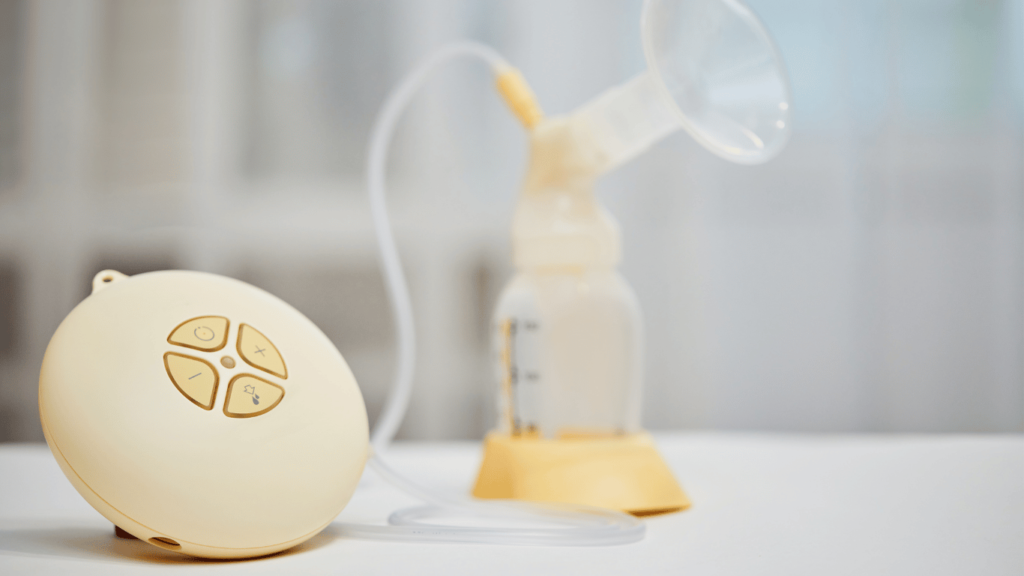
Where To Donate A Breast Pump

As a mom who’s been through the breastfeeding journey twice now, I know firsthand how precious a good breast pump can be. But what happens when you’re done with it? Instead of letting that valuable device gather dust in your closet, I’ve researched the best ways to pass it on to another mom in need. Here’s my complete guide on where to donate your breast pump and make a meaningful difference in another family’s breastfeeding journey.
Why Donate A Breast Pump?
I’ve learned that donating a breast pump offers several important benefits:
- Helps Parents in Need – Many families simply can’t afford a new breast pump. Your donation could be exactly what a struggling mom needs to continue breastfeeding.
- Reduces Waste – I’m passionate about sustainability, and keeping these devices out of landfills is a small but meaningful way to reduce our environmental footprint.
- Supports Public Health – As I’ve written about before, breastfeeding offers numerous health benefits for babies. Making pumps more accessible helps promote these health advantages for more families.
Where Can You Donate A Breast Pump?
Based on my research and personal experience, here are the best places to donate your used breast pump:
1. Nonprofit Organizations
Several nonprofit organizations accept breast pump donations to help families in need. I’ve found these organizations to be particularly helpful and organized:
a) Mothers’ Milk Bank
Many milk banks accept breast pump donations, especially if they provide assistance to low-income families. I recommend calling your local milk bank to confirm if they accept gently used pumps.
b) Good+ Foundation
This wonderful nonprofit helps low-income families by distributing essential baby gear, including breast pumps. You can visit their website to see their specific donation guidelines.
c) The Diaper Bank
I’ve discovered that some local diaper banks also accept breast pumps along with other baby essentials. It’s worth checking with your nearest branch to confirm their policies.
2. Local Women’s Shelters and Support Groups
In my community, I found that domestic violence shelters, pregnancy centers, and community organizations often accept breast pump donations for mothers in need. I always recommend calling ahead to verify their donation policies.
3. Hospitals and Lactation Clinics
When I was looking for donation options after my second child, I learned that certain hospitals and lactation support centers collect and redistribute breast pumps to mothers facing financial difficulties. Ask if they have donation programs in place.
4. WIC (Women, Infants, and Children) Programs
Some WIC offices distribute breast pumps to breastfeeding mothers in need. I suggest contacting your local WIC office to see if they accept donations.
5. Online Donation Platforms
If local donation options are unavailable in your area, consider giving your breast pump directly to a parent in need through these platforms:
- Facebook Marketplace – Many community groups allow parents to list gently used baby gear for free.
- Freecycle – This platform connects people who want to donate or receive items for free.
- Craigslist (Free Section) – Posting in the free section allows local parents to find and use the pump.
Looking for More Breast Pump Resources?
Before donating your pump, you might be considering an upgrade or need information for a friend. Check out these helpful guides I’ve created:
Important Considerations Before Donating
As someone who’s donated pumps before, here are some critical things I’ve learned to consider:
1. Is It a Closed-System Pump?
I always check if my pump is a closed-system model. These pumps have barriers preventing milk from entering internal components, making them safe for multiple users. If your pump is an open-system pump, it may not be reusable due to hygiene concerns.
In my experience reviewing hospital-grade breast pumps, I’ve found they’re often designed as closed systems specifically to be used by multiple mothers.
2. Sanitization and Accessories
- I always clean all washable parts thoroughly before donation.
- When possible, I donate new tubing and flanges, as these are personal-use items.
- I include the user manual if I still have it to make it easier for the next mom.
For moms with larger breasts looking for new pumps, I’ve compiled a guide to the best breast pumps for larger breasts that provides options with various flange sizes.
3. Check Manufacturer Guidelines
I’ve learned that some manufacturers explicitly state whether their pumps can be used by multiple people. Brands like Medela have select models designed for multiple users, while others like Spectra are for single-person use.
If you’re in the market for a new pump, you might want to check if you qualify for a free breast pump through insurance before purchasing one.
Alternative to Donation: Breast Pump Recycling
After trying several wearable breast pumps that I’ve reviewed, I discovered some weren’t eligible for donation. In those cases, I found these recycling options:
- Medela Breast Pump Recycling – Medela has a recycling program specifically for its pumps. Same to Medela, Spectra breast pump recycling program is also there for those who want to recyle there used pumps.
- Local Electronic Recycling Centers – I’ve found that some centers accept electronic medical equipment, including breast pumps.
- Manufacturer Take-Back Programs – I always check if the brand of my pump offers a recycling initiative.
Final Thoughts-Where Can I Donate My Breast Pump
As a mom who has been through the breastfeeding journey twice, I believe donating a breast pump is one of the most meaningful ways to support other parents while reducing environmental waste. Whether you choose to give it to a nonprofit, a local shelter, or through an online community, your donation can make a significant difference in someone’s life.
I always make sure my pumps meet health and safety guidelines before donating and try to provide replacement parts when possible. If donation isn’t an option for your particular pump, look into recycling programs to ensure your pump is disposed of responsibly.
By taking the time to donate or recycle your breast pump, you’re contributing to a more sustainable and supportive community for breastfeeding parents just like me. And remember, if you’re in the market for a new pump, check out my guides to the best wearable breast pumps or hospital-grade breast pumps to find the perfect option for your needs.