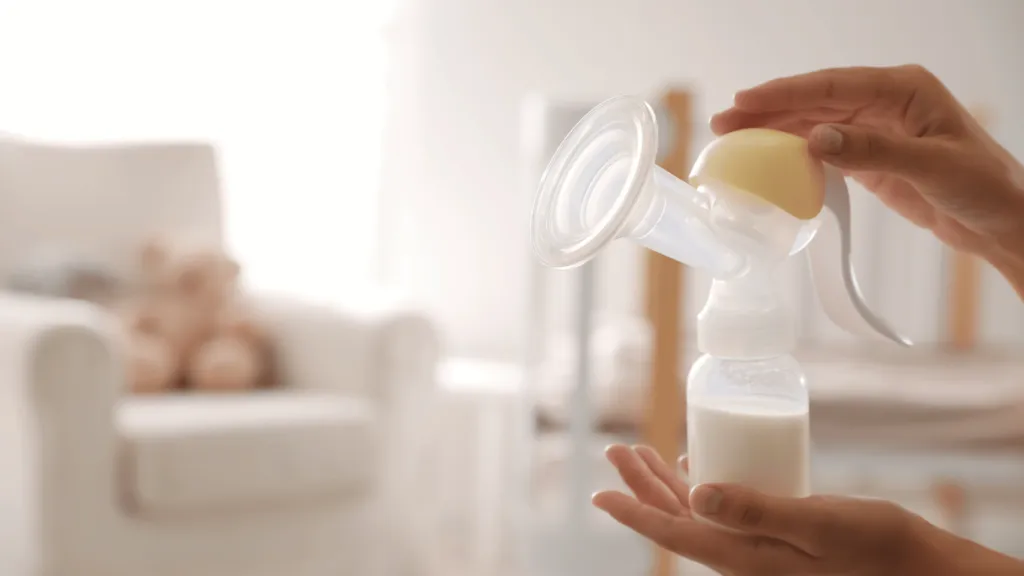
🌸 Pumping at Work, Airports & Busy Days: Your Complete Survival Guide

Why Strategic Planning Makes All the Difference
Maintaining a consistent pumping routine—typically every two to three hours—is essential for preserving your milk supply and preventing uncomfortable complications like engorgement or clogged ducts. When you’re in demanding environments like offices or airports, interruptions are inevitable. That’s why having a solid plan isn’t just helpful—it’s necessary.
According to lactation experts, consistency in timing helps regulate prolactin levels, the hormone responsible for milk production. When you skip sessions or pump irregularly, your body receives signals to reduce supply. By prioritizing your pumping schedule with the same importance as meetings or appointments, you’re protecting both your baby’s nutrition and your own comfort.
💼 Mastering Office Pumping: Create Your Workspace Sanctuary
🚪 Secure a Private, Comfortable Space
Federal law (specifically the FLSA Break Time for Nursing Mothers provision) requires most employers to provide reasonable break time and a private space—not a bathroom—for expressing milk. This might be a dedicated lactation room, an unused office, or a quiet conference room with a lock.
If your workplace doesn’t have established facilities, approach HR or your supervisor early—ideally before returning from maternity leave. Frame it as a compliance issue and suggest simple solutions like installing a privacy screen or designating specific time blocks for a shared space.
Pro Setup Tips:
- Keep disinfectant wipes at your pumping station for quick surface cleaning
- Use a small folding table or portable tray to organize pump parts and prevent spills
- Store an insulated lunch bag with ice packs at your desk for milk storage until you get home
- Consider a wearable breast pump for maximum discretion during busy work days
⏰ Protect Your Schedule Like Important Meetings
Block out pumping times on your work calendar just as you would for client meetings. Use neutral language like “Break” or “Unavailable” if privacy is a concern. Setting phone reminders fifteen minutes before each session gives you time to wrap up tasks and transition smoothly.
Most successful office pumpers establish patterns—for example, pumping at 10 AM, 1 PM, and 4 PM. This predictability helps both your body and your colleagues respect these boundaries. When you treat pumping as non-negotiable, others will too.
💧 Stay Nourished and Hydrated
Dehydration directly impacts milk production. Keep a large water bottle at your desk and aim to drink at least eight ounces during or immediately after each pumping session. Nutrient-dense snacks like almonds, oatmeal, or protein bars provide sustained energy and support lactation.
Many pumping moms notice better output when they’re well-rested and well-fed. If you’re experiencing supply dips, evaluate whether you’re skipping meals or surviving on coffee alone—both common culprits in busy work environments.
💬 Communicate Professionally with Your Team
You don’t need to share intimate details, but brief, professional communication prevents awkward interruptions. A simple “I’ll need to step away for breaks at these times each day” sets clear expectations. Most coworkers are supportive when they understand your needs without feeling overshared upon.
For virtual meetings, block your calendar or turn off video during pumping if using a hands-free pump. Many remote workers successfully pump during calls with their camera off—just test your pump’s noise level first.
✈️ Travel Pumping Strategies: Airports, Hotels & Beyond
🧳 Pack Your Essential Travel Kit
Organization is everything when pumping away from home. Create a dedicated travel bag containing:
- Your breast pump with all necessary power adapters and car chargers
- Extra flanges, valves, and membranes (components wear out quickly with heavy use)
- An insulated cooler bag with multiple ice packs
- Additional storage bottles or milk bags
- Disinfectant wipes, hand sanitizer, and a small microfiber drying cloth
- A spare shirt or nursing cover in case of leaks or spills
Experienced Traveler Tip: Pack pump parts in a clear plastic bag for easy TSA screening. Label your cooler “Breast Milk Medical Necessity” to streamline security checks.
🛫 Navigate Airport Security with Confidence
TSA regulations allow breast milk in quantities exceeding the standard 3.4-ounce liquid limit. Simply inform agents at the beginning of screening that you’re traveling with breast milk and pumping equipment. Most agents are familiar with these exceptions, but having a printed copy of TSA guidelines can help if you encounter resistance.
Many major airports now offer dedicated nursing rooms or lactation pods. Apps like Mamava help locate these facilities before your trip. If private spaces aren’t available, look for family restrooms, airline lounges (some allow access for a day fee), or quiet gate areas during off-peak times.
For in-flight pumping on longer journeys, consider using a discreet wearable pump with a nursing cover, or request an empty row from flight attendants if available. Most airlines accommodate nursing mothers when asked politely.
🗺️ Maintain Your Schedule Across Time Zones
When traveling across time zones, try to stick as closely as possible to your home pumping schedule for the first day or two. This consistency helps your body maintain production levels despite the disruption. Gradually adjust your schedule if staying in a new time zone for extended periods.
For example, if you typically pump at 9 AM, 12 PM, and 3 PM at home, continue pumping every three hours regardless of local time. Your body responds to frequency and stimulation patterns rather than clock time.
🏃♀️ Surviving Unexpectedly Busy Days
✅ Prepare the Night Before
Hectic mornings become manageable when your pumping bag is ready to go. Each evening, ensure all components are clean, your pump is charged, and storage containers are labeled and packed. This five-minute routine saves precious minutes when you’re rushing out the door.
If you’re using an insurance-covered pump, consider keeping a backup manual pump in your car or office for emergencies.
🔔 Use Visual and Digital Reminders
Set multiple alarms on your phone, smartwatch, or computer. Visual cues like sticky notes on your desk or dashboard can also help during intense focus periods. Some moms use smartwatch apps that vibrate discreetly during meetings as gentle reminders.
Research Insight:
Studies show that consistent pumping schedules—even during stressful periods—maintain prolactin levels better than irregular sessions. Missing one session occasionally won’t ruin your supply, but chronic skipping or delaying can signal your body to reduce production over time.
🙌 Embrace Hands-Free Solutions
Hands-free or wearable pumps allow you to continue light work—answering emails, reading documents, or making phone calls—while pumping. This multitasking capability significantly reduces the feeling that pumping “steals” productive time from your day.
Popular options include Handsfree models that fit inside your bra or traditional pumps paired with hands-free bras. Many working moms report that this simple equipment upgrade dramatically improves their pumping experience.
🎵 Create a Calming Routine
Stress hormones like cortisol can inhibit the let-down reflex, making pumping less efficient. Small comfort measures can help:
- Play relaxing music or a favorite podcast
- Keep photos or videos of your baby nearby (visual stimulation promotes oxytocin release)
- Practice deep breathing exercises or brief meditation
- Use a favorite scent or enjoy a warm beverage
These rituals train your body to associate certain cues with milk release, often improving output even during stressful situations.
🥶 Safe Milk Storage On the Go
Use Quality Insulated Storage
Insulated cooler bags with ice packs safely store expressed milk for several hours—typically up to 24 hours when kept properly cold. Freshly pumped milk can remain at room temperature for up to four hours, refrigerated milk lasts four to five days, and frozen milk stays good for six to twelve months.
Always label containers with the date and time of expression. Use the oldest milk first to maintain freshness and minimize waste. If you’re concerned about storage during long commutes or travel days, consider freezing some milk in advance.
Pack Quick Cleaning Supplies
When sinks aren’t available, disinfectant wipes and hand sanitizer become essential. Small bottle brushes designed for pump parts make quick cleanups easier. Many pumpers keep a separate set of “travel parts” to avoid washing components multiple times daily—simply rinse with water, store in a clean bag, and deep clean everything at night.
💗 Prioritize Your Emotional Well-being
Manage Stress Proactively
Pumping while managing demanding schedules is genuinely challenging. Research consistently shows that chronic stress impairs milk let-down and can reduce supply over time. Take short mental breaks between tasks, practice mindfulness exercises, or simply step outside for fresh air.
Remember that some stress is normal—perfection isn’t the goal. If you miss a session occasionally or pump less than expected, that’s okay. Adjust, rehydrate, and continue with your next scheduled session without guilt.
Connect with Supportive Communities
Whether through workplace connections, online forums, or local parenting groups, sharing experiences with other pumping parents provides invaluable emotional support. Hearing that others face similar challenges normalizes your experience and often yields practical tips you hadn’t considered.
If you’re struggling significantly with supply issues, pain during pumping, or emotional overwhelm, consult a lactation consultant. These professionals provide personalized guidance that generic advice can’t match.
Celebrate Every Small Victory
You’re nourishing your baby while managing complex professional and personal responsibilities—that’s genuinely impressive. Progress isn’t always linear, and there will be hard days. Give yourself credit for showing up and doing your best, even when circumstances aren’t ideal.
Bottom Line:
Pumping successfully at work, during travel, and on busy days requires preparation, flexibility, and self-compassion. With the right equipment, strategic planning, and realistic expectations, you can maintain your supply and your sanity. Remember: every ounce matters, but so does your well-being.
Final Thoughts: You’ve Got This, Mama
Balancing pumping with professional obligations, travel schedules, and daily chaos doesn’t have to derail your lactation goals. By implementing these strategies—establishing clear boundaries, preparing thoroughly, using appropriate equipment, and prioritizing self-care—you create a sustainable routine that works for your unique life.
Every pumping journey looks different, and what works perfectly for one mom might not suit another. Stay flexible, adjust as needed, and remember that feeding your baby—however that looks for your family—is what truly matters. You’re already doing an amazing job.
Need More Support?
Explore our comprehensive guides:
- Best Breast Pumps of 2026 – Find the perfect pump for your lifestyle
- Power Pumping Guide – Boost your supply naturally
- Free Breast Pump Through Insurance – Get covered equipment
- Breast Pumps Hub Homepage – More resources and reviews
References & Additional Resources
- U.S. Department of Labor. “Break Time for Nursing Mothers.” Fair Labor Standards Act. www.dol.gov
- Centers for Disease Control and Prevention. “Proper Storage and Preparation of Breast Milk.” www.cdc.gov
- Transportation Security Administration. “Traveling with Breast Milk.” www.tsa.gov
- Academy of Breastfeeding Medicine. “Clinical Protocol on Breast Milk Expression.” www.bfmed.org
- La Leche League International. “Working and Breastfeeding.” www.llli.org