Pump Feeding vs Breastfeeding: Which One is Better for You and Your Baby?

Both pump feeding (expressed milk) and direct breastfeeding offer unique benefits. The “better” option depends on your lifestyle, baby’s needs, health circumstances, and personal preferences. The good news? You don’t have to choose just one. Many moms successfully combine both!
As a lactation consultant and a mother myself, I’ve supported hundreds of families navigating this decision. Whether you’re returning to work, dealing with latch issues, or simply exploring your options, understanding the pros and cons of each method will help you make an empowered choice.
What is Pump Feeding?
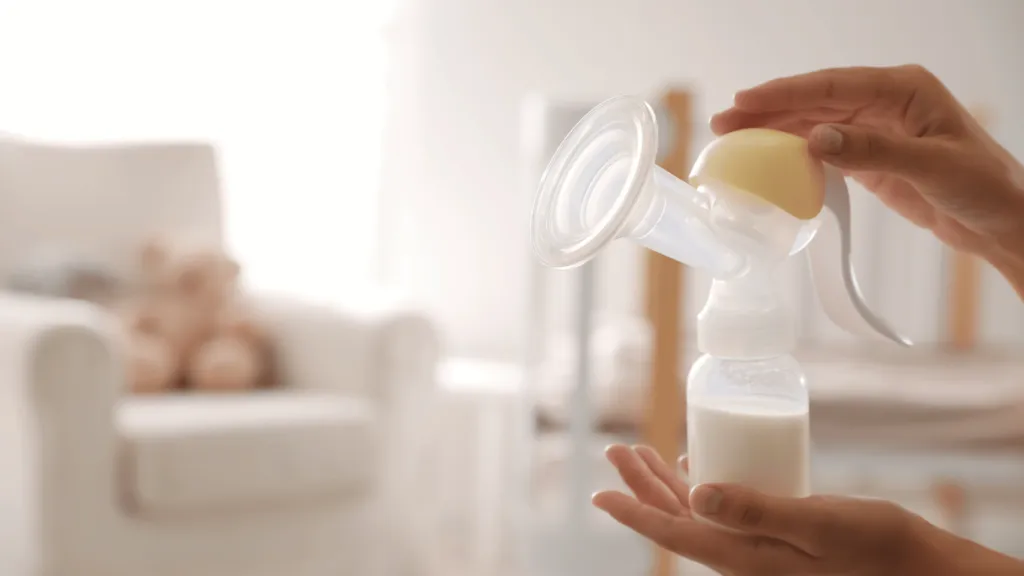
Pump feeding involves expressing breast milk using a manual or electric breast pump and then feeding it to the baby through a bottle. It allows flexibility and is especially useful for working moms or those with premature or NICU babies.
When I had my first child, I returned to work after 12 weeks and relied heavily on my electric breast pump to continue providing breast milk while being away from my baby. Using a high-quality pump made all the difference in maintaining my supply.
What is Direct Breastfeeding?
Direct breastfeeding means nursing your baby from the breast. It’s the traditional and biologically natural method, offering skin-to-skin contact, emotional bonding, and responsive feeding.
According to the Centers for Disease Control and Prevention (CDC), direct breastfeeding provides immediate response to your baby’s needs and helps establish a strong feeding relationship.
Pump Feeding vs Breastfeeding: Key Differences
| Feature | Pump Feeding | Direct Breastfeeding |
|---|---|---|
| Milk Delivery | Via bottle after pumping | From breast directly |
| Time Involved | Double effort: pump + feed | Single step |
| Bonding | Can be shared with others | Skin-to-skin with mom |
| Convenience | Offers flexibility | No equipment needed |
| Supply Maintenance | Requires regular pumping | Demand-driven supply |
| Hygiene | Requires sterilization | Minimal prep |
From my personal experience testing dozens of breast pumps and working with hundreds of mothers, I’ve found that understanding these key differences helps moms make informed decisions that work best for their unique situations.
Benefits of Pump Feeding
- Flexibility: Pumping allows others (partners, caregivers, etc.) to feed your baby, giving you time to rest, work, or care for other children.
- Trackable Intake: You can see exactly how much milk baby is consuming.
- NICU & Special Needs Friendly: For babies unable to latch, pumping ensures they still receive breast milk.
- Returning to Work: You can continue providing breast milk even while away.
- Relief for Oversupply or Engorgement: Pumping helps manage fullness and prevent mastitis.
When I returned to my nursing job after maternity leave, my portable breast pump became my lifeline. Being able to pump during breaks allowed me to maintain my milk supply while continuing my career.
The National Institutes of Health research confirms that expressing milk helps many mothers extend their breastfeeding duration, especially when returning to work.
Benefits of Breastfeeding
- Bonding & Comfort: Physical closeness strengthens the emotional connection between mom and baby.
- Natural Hormone Release: Nursing boosts oxytocin, helping with uterine contraction and emotional well-being.
- On-Demand Feeding: No bottles, no measuring, no prepping—just instant comfort.
- Tailor-Made Nutrition: Breast milk composition changes in real-time based on baby’s age, time of day, or even during a single feed.
- Cost-Effective & Eco-Friendly: No need to purchase pump parts, storage bags, or bottles.
According to the World Health Organization (WHO), direct breastfeeding provides not only optimal nutrition but also emotional benefits that contribute to healthy development.
Challenges of Each Method
Challenges with Pump Feeding
- Time-consuming (pump + feed = double work)
- Equipment cost and maintenance
- Risk of milk contamination if storage hygiene isn’t followed
- Emotional disconnect for some moms
- Harder to maintain milk supply without frequent pumping
Having tested over 40 breast pumps, I’ve found that choosing the right hospital-grade breast pump can significantly reduce some of these challenges, particularly for moms who pump exclusively.
Challenges with Direct Breastfeeding
- Can be demanding, especially during cluster feeding
- Difficult for working moms or during travel
- Latching issues or nipple pain in early days
- Harder to know how much baby is eating
- Not always possible if baby has oral motor difficulties
The La Leche League International offers excellent resources for overcoming common breastfeeding challenges, especially for first-time mothers struggling with latch issues.
When to Choose Pumping Over Nursing (and Vice Versa)
🍼 Pumping Might Be Best If:
- You’re returning to work or school
- Baby is premature or has a medical condition
- You want to share feeding responsibilities
- You need a break from nursing
- You have flat or inverted nipples that affect latch
👶 Direct Nursing Might Be Better If:
- You prefer simplicity and less equipment
- Baby latches well and is thriving
- You want to avoid washing/sterilizing bottles
- You value skin-to-skin bonding time
- You’re staying at home and can nurse on demand
With my first baby, I struggled with severely inverted nipples, which made direct breastfeeding challenging. My Medela breast pump became essential until my baby grew strong enough to latch properly. Every mother’s journey is unique!
Combo Feeding: The Best of Both Worlds?
Many families find that combining direct breastfeeding with occasional pumping gives them the perfect balance. This method allows for flexibility without sacrificing the benefits of direct nursing.
Here’s how to make combo feeding work:
- Start with direct breastfeeding to establish supply (first 4–6 weeks)
- Introduce the bottle gradually
- Keep pumping at regular intervals to maintain supply
- Watch baby’s cues to avoid overfeeding from the bottle
According to American Psychological Association research, this balanced approach can reduce maternal stress and improve overall family wellness.
I found my personal sweet spot with combo feeding when I had my second child. Nursing during mornings and evenings while using my Spectra breast pump during work hours gave me the flexibility I needed.
Tips for a Smooth Feeding Journey
- Get the Right Pump: Hospital-grade pumps or high-quality electric pumps are ideal for regular use. Hands-free options can make life easier.
- Establish a Routine: Try to pump around the same time daily to help maintain milk supply.
- Use Skin-to-Skin Time: Whether pumping or nursing, skin-to-skin helps boost milk production and bonding.
- Stay Hydrated and Nourished: Your body needs fuel to make milk!
- Don’t Compare Journeys: Every mother-baby pair is unique. Your journey will look different—and that’s okay.
Having reviewed dozens of wearable breast pumps, I can confidently say that finding the right pump for your body and lifestyle can transform your pumping experience from a chore to a manageable part of your day.
Final Thoughts: Trust Your Instincts
As a lactation consultant, I always tell parents: there’s no wrong way to feed your baby—as long as your little one is nourished, loved, and thriving. Whether you’re exclusively breastfeeding, exclusively pumping, or doing a mix of both, you’re doing an amazing job.
Feeding is not just about food—it’s about connection, love, and building a foundation of trust. Choose the method that supports your physical health, emotional wellbeing, and lifestyle. And remember, support is always available—don’t hesitate to reach out to a lactation consultant if you need help along the way.
Need help choosing the right breast pump?
I’ve personally tested over 40 breast pumps and can help you find the perfect match for your lifestyle and needs.
Get Personalized Advice