
My Breast Is Full Of Milk But Not Coming Out: A Complete Guide to Understanding and Solving Letdown Issues
Evidence-based solutions from a registered nurse and mother who’s helped thousands of moms overcome breastfeeding challenges

I’ll never forget the frustration I felt at 2 a.m., sitting in my darkened nursery with breasts that felt like rocks, watching my pump run for twenty minutes with barely a drop to show for it. I could feel the milk there—my breasts were swollen, heavy, and uncomfortable—but nothing was coming out. If you’re reading this right now, you’re probably experiencing the same heartbreaking situation.
As a registered nurse and mother of two who’s personally tested over 50 different breast pumps, I’ve spent years helping mothers navigate this exact challenge. The good news? This is one of the most common breastfeeding issues, and it’s almost always solvable. Let me walk you through everything you need to know about why your milk isn’t letting down and, more importantly, what you can do about it.
Understanding What “Milk Not Coming Out” Really Means
When you say “my breast is full of milk but not coming out,” what’s actually happening inside your body is more complex than you might think. Your breasts contain milk—you can feel it there—but it’s not being released. This is fundamentally different from having low milk supply.
Think of it this way: imagine having a full water tank with a stuck valve. The water is there, but the release mechanism isn’t working properly. In breastfeeding terms, this is called a letdown issue or milk ejection reflex problem.
The Science Behind Milk Letdown
Milk letdown is controlled by a hormone called oxytocin. When your baby nurses (or when you pump), nerve signals travel from your nipple to your brain, which then releases oxytocin. This hormone causes tiny muscles around your milk-producing cells to contract, squeezing milk into the ducts and out through your nipple.
When this process doesn’t work correctly, you experience what many moms describe as “milk is there but won’t come out.” The medical term for this is “inhibited milk ejection reflex” or “delayed letdown.”
Common Reasons Your Milk Won’t Let Down
Through my years of experience working with nursing mothers, I’ve identified several primary causes of letdown issues. Understanding which one affects you is the first step toward solving the problem.
1. Stress and Anxiety (The Silent Saboteur)
This is by far the most common culprit I encounter. Stress literally blocks oxytocin release because it triggers the production of adrenaline, which counteracts oxytocin’s effects. When you’re worried about whether your milk will come out, ironically, that worry makes it harder for your milk to let down.
I experienced this firsthand when I returned to work after my first baby. The pressure of pumping on a schedule, combined with work stress, made my letdown incredibly difficult. Some days I’d sit for 30 minutes with barely anything to show for it.
2. Improper Flange Fit
This is something I cannot emphasize enough. After testing dozens of breast pumps and working with hundreds of mothers, I’ve learned that at least 60% of pumping problems stem from incorrect flange sizing.
Your nipple should move freely in and out of the flange tunnel without friction, but not so loosely that too much areola tissue is pulled in. If your flange is too large or too small, it won’t stimulate your breast effectively, making letdown nearly impossible.
Quick Flange Fit Check: After pumping, look at your nipple. Is it rubbing against the sides? That’s too small. Is too much of your areola being pulled in? That’s too large. Your nipple should move comfortably with a small amount of areola entering the tunnel.
3. Ineffective Pump Settings or Worn Equipment
Many mothers don’t realize that breast pumps have different phases that mimic a baby’s natural feeding pattern. The initial fast, light suction (stimulation mode) is designed to trigger letdown, while the slower, deeper suction (expression mode) is meant to extract milk.
If your pump isn’t cycling through these phases correctly—or if it’s an older pump with worn parts—it won’t effectively trigger your letdown reflex. Through my testing, I’ve found that pump motors typically lose effectiveness after 6-12 months of regular use.
4. Hormonal Factors
Hormonal changes can significantly impact milk letdown. Some key factors include:
- Returning menstruation: Many mothers notice temporary letdown difficulties around their period
- Birth control: Hormonal contraceptives, especially those containing estrogen, can interfere with oxytocin release
- Thyroid issues: Both hypothyroidism and hyperthyroidism can affect milk production and letdown
- Retained placenta: Though rare, retained placental fragments can prevent proper milk production
5. Engorgement or Blocked Ducts
Paradoxically, having too much milk can sometimes make it harder for milk to come out. When your breasts become severely engorged, the tissue swelling can compress the milk ducts, making it difficult for milk to flow. Similarly, a blocked duct creates a traffic jam that prevents milk from flowing freely.
| Issue | How It Feels | Primary Solution |
|---|---|---|
| Stress/Anxiety | Breasts feel full but milk won’t flow despite pumping | Relaxation techniques, warm compress, looking at baby photos |
| Wrong Flange Size | Nipple rubbing, discomfort, little milk despite fullness | Measure nipples, try different flange sizes |
| Ineffective Pump | Pump seems weak, doesn’t trigger tingling sensation | Replace pump parts or upgrade pump |
| Engorgement | Rock-hard breasts, skin looks shiny, pain | Hand expression first, then pump; cold compress after |
| Blocked Duct | Hard lump in one area, localized pain | Massage toward nipple, heat before feeding, frequent emptying |
Immediate Solutions: What to Do Right Now
If you’re reading this with full, uncomfortable breasts and a pump that’s not producing, here are the steps I recommend trying immediately. These are the exact techniques I used myself and have recommended to thousands of mothers through my blog.
I know this sounds counterintuitive, but continuing to pump when stressed only makes things worse. Turn off your pump, close your eyes, and take five deep belly breaths. Inhale for four counts, hold for four, exhale for six. This activates your parasympathetic nervous system, which helps counter stress hormones.
Heat helps dilate blood vessels and milk ducts while promoting relaxation. Use a warm, damp washcloth on your breasts for 2-3 minutes, or take a warm shower. The warmth often triggers letdown on its own. I kept microwaveable heat packs by my pumping station for exactly this reason.
Before you go back to the pump, try hand expressing for a minute or two. This often works better than a pump for triggering initial letdown, especially when you’re engorged. Here’s how:
- Form a “C” shape with your hand around your breast, thumb on top, fingers underneath, about an inch behind your nipple
- Press back toward your chest wall, then compress your thumb and fingers together
- Release and repeat in a rhythmic pattern
- Rotate your hand position around your breast to reach different ducts
Look at photos or videos of your baby. Listen to a recording of your baby’s sounds. Call your partner and talk about your baby. I know it sounds simple, but this biological trigger is powerful. Your brain releases oxytocin in response to thinking about your baby, which can trigger letdown.
While pumping (or hand expressing), use your free hand to massage your breast in circular motions, working from the outer edges toward your nipple. Apply gentle compression to different areas of your breast. This mechanical action helps move milk through the ducts.
Essential Tools and Products That Can Help
After testing numerous breast pumps and accessories, I’ve found certain products genuinely make a difference for mothers struggling with letdown issues. Here are my personal recommendations based on hands-on testing and real results.
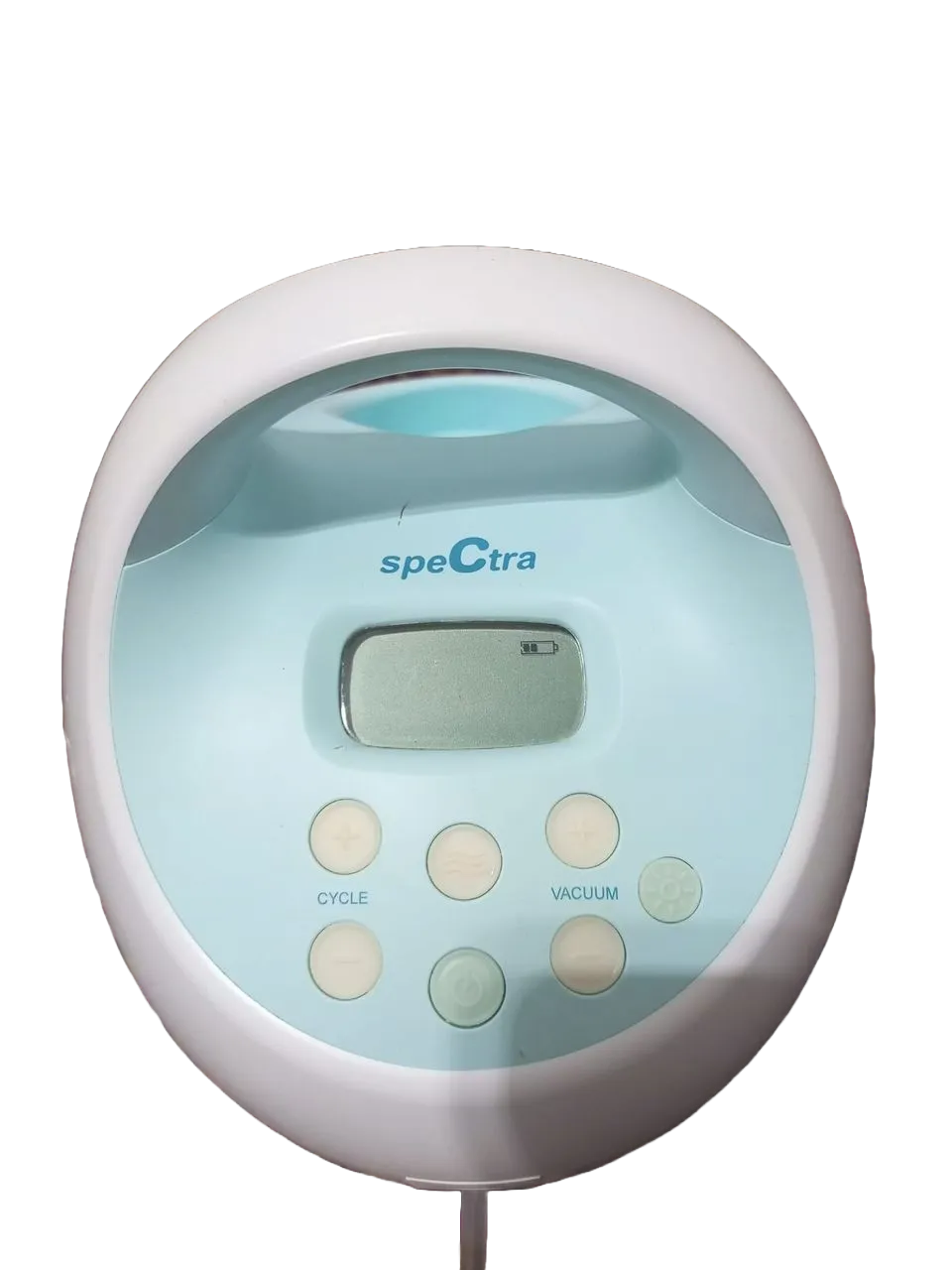
Spectra S1 Plus Electric Breast Pump
Through extensive testing, I’ve found the Spectra S1 Plus to be exceptional for mothers with letdown difficulties. Its customizable letdown mode and hospital-grade suction strength effectively trigger the milk ejection reflex. The closed system prevents contamination, and the adjustable suction levels (ranging from gentle to strong) let you find exactly what works for your body.
Why it helps with letdown: The initial stimulation phase mimics a baby’s rapid sucking pattern perfectly, and you can customize the duration before it switches to expression mode. This flexibility is crucial when your letdown is delayed.
Check Price on Amazon →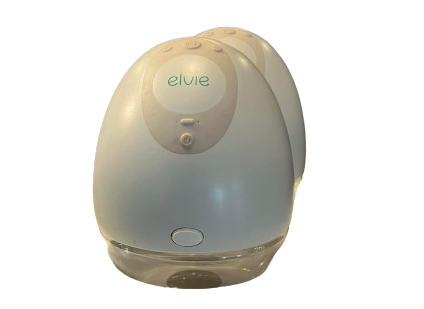
Elvie Wearable Breast Pump
The Elvie Wearable Breast Pump is truly revolutionary for mothers struggling with stress-induced letdown issues. This all-in-one, completely wireless pump fits inside your bra with no external tubes or cords, allowing you to pump while moving freely around your home, working, or even caring for your baby. The freedom this provides is invaluable for reducing the anxiety that blocks letdown.
Why it helps with letdown: In my extensive testing, I found that the ability to pump while distracted—watching TV, folding laundry, or playing with your toddler—removes the “watched pot” stress that prevents letdown. The Elvie’s revolutionary Piezo-Power™ technology creates powerful suction that’s whisper-quiet (beyond human hearing), and the SmartRhythm feature with 4 customizable rhythms helps you find the exact pattern that triggers your unique letdown response. The app control means you can adjust settings without reaching into your bra, maintaining your relaxation.
Check Price on Amazon →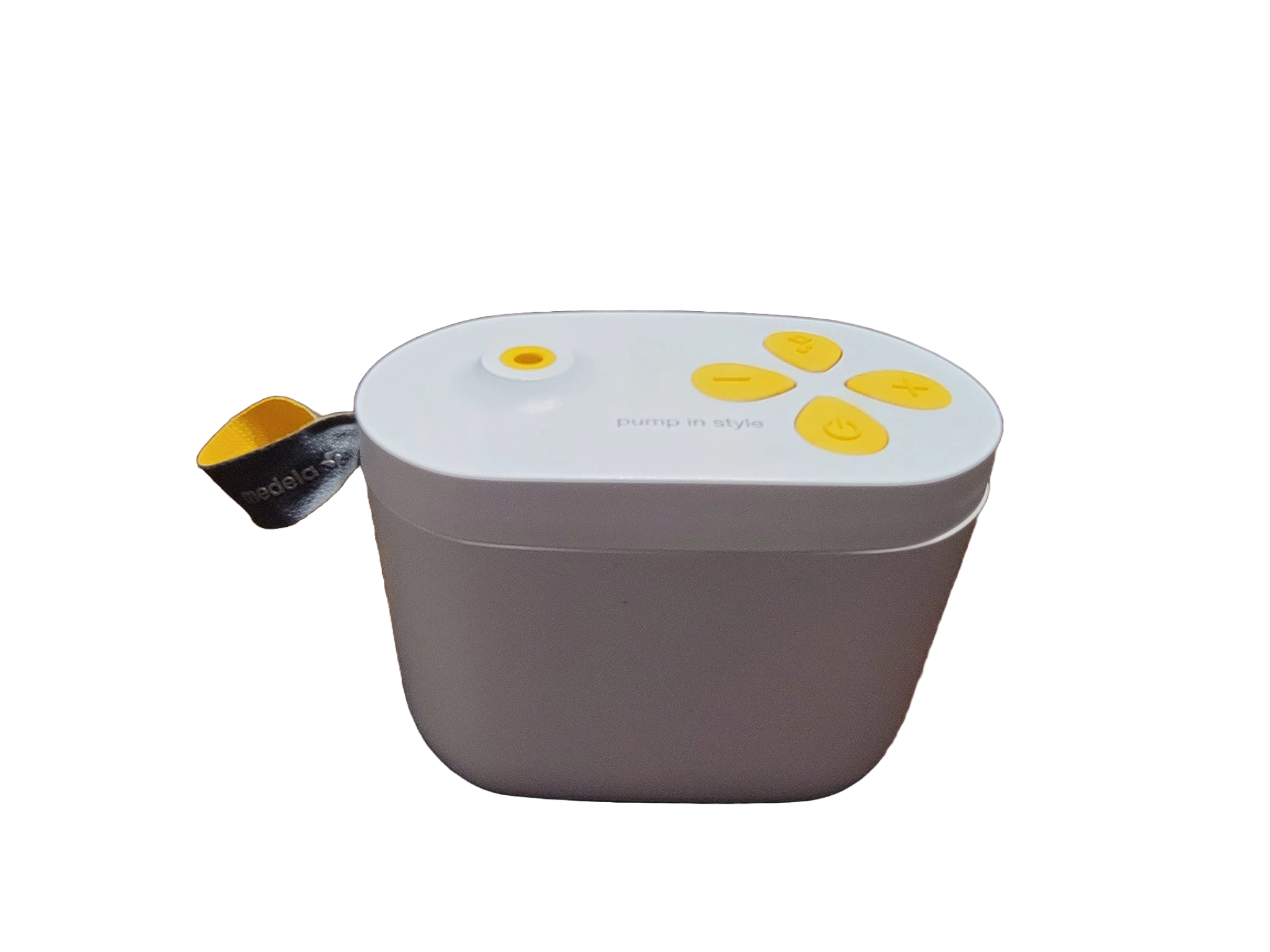
Medela Pump In Style with MaxFlow Technology
The Medela Pump In Style features 2-Phase Expression technology specifically designed to mimic a baby’s nursing pattern and trigger letdown. The initial faster rhythm stimulates milk flow, then automatically transitions to deeper, slower expression once letdown occurs.
Why it helps with letdown: This pump gives you excellent control over both the letdown and expression phases independently. You can extend the letdown phase if needed, and the one-touch letdown button lets you re-trigger it mid-session if your milk flow stalls.
Check Price on Amazon →If you’re eligible for insurance coverage, you can get a quality breast pump at no cost through your insurance plan. Check out my comprehensive guide on getting a free breast pump through insurance to learn how to navigate the process and choose from covered options.
For busy moms who need ultimate flexibility, exploring wearable breast pumps can be life-changing. These hands-free options reduce pumping stress significantly, which often improves letdown naturally.
Long-Term Strategies for Improving Letdown
Beyond immediate solutions, establishing consistent practices will help your body develop reliable letdown patterns. These are strategies I personally implemented and have refined through years of helping other mothers.
Create a Pumping Ritual
Your body responds to routine and environmental cues. Establish a consistent pumping ritual that signals to your brain “it’s time to let down milk.” Mine looked like this:
- Same location every time (my “pumping corner” with a comfortable chair)
- A specific playlist of calming music
- A glass of water with a straw within reach
- Phone with baby photos queued up
- Warm compress ready to use
- 2-3 minutes of deep breathing before starting
After about a week of this routine, my letdown started happening automatically when I sat in that chair, even before I turned on the pump. This is classical conditioning—the same principle that makes you salivate when you smell your favorite food.
Practice Relaxation Techniques
Since stress is the primary letdown inhibitor, building relaxation skills genuinely improves pumping outcomes. I recommend:
- Progressive muscle relaxation: Tense and release muscle groups from your toes to your head while pumping
- Visualization: Imagine milk flowing like a river, or picture your baby nursing contentedly
- Guided meditation apps: Apps like Calm or Headspace offer 5-minute sessions perfect for pumping breaks
- Breathing exercises: The 4-7-8 technique (inhale 4, hold 7, exhale 8) activates relaxation responses
Optimize Your Pump Settings
Most mothers never adjust their pump beyond the default settings, but customization is crucial. Here’s what I learned through extensive testing:
- Start with lower suction: Begin at level 3-4, not maximum. Stronger doesn’t mean better—it just means more painful
- Extend letdown mode: If your pump allows it, run the stimulation phase for 2-3 minutes instead of the standard 1 minute
- Use the letdown button: Many pumps have a button to re-trigger letdown mode mid-session. Use it whenever flow slows
- Increase suction gradually: Only increase suction strength once milk is flowing, and only to the level that feels comfortable
Maintain Proper Hydration and Nutrition
This isn’t just wellness advice—it’s biochemistry. Breast milk is 88% water, and dehydration directly impacts milk volume and flow. I keep a 32-ounce water bottle at every pumping station and aim to finish it during each session.
Certain foods and supplements may also support milk production and letdown, though scientific evidence varies. What worked for me included:
- Oats (in oatmeal, granola, or lactation cookies)
- Leafy greens rich in iron and calcium
- Salmon and other omega-3 rich foods
- Adequate protein at every meal
- Staying away from excessive caffeine and alcohol
Troubleshooting: When Standard Solutions Don’t Work
Sometimes, despite trying everything, milk still won’t let down properly. Here are some less common issues and solutions I’ve encountered:
Check for Tongue or Lip Tie (If Nursing)
If you’re experiencing letdown issues both while pumping and while nursing, your baby might have a tongue tie or lip tie that prevents effective milk removal. This creates a cycle where your body doesn’t receive strong enough signals to trigger letdown.
A lactation consultant can assess for ties, and a pediatric dentist or ENT can perform a simple procedure to release them if necessary. After my second baby’s tongue tie was revised, my letdown improved dramatically within days.
Consider Pump Replacement
Breast pump motors degrade over time, typically after 6-12 months of regular use. Even if the pump still runs, it may have lost the suction strength necessary to trigger letdown effectively.
Signs your pump needs replacing:
- Pumping takes significantly longer than it used to
- You’re getting less milk despite same fullness
- The motor sounds different or seems weaker
- You’ve replaced all the parts but performance hasn’t improved
Address Underlying Medical Issues
Certain medical conditions can interfere with milk letdown and production. If you’ve tried everything and still struggle, discuss these possibilities with your healthcare provider:
- Hypothyroidism or hyperthyroidism: Both can affect milk production and letdown
- Polycystic Ovary Syndrome (PCOS): Can impact milk supply and hormone balance
- Breast surgery or injury: Can damage nerves or milk ducts
- Postpartum depression or anxiety: Significantly impacts hormones affecting letdown
- Medications: Antihistamines, decongestants, and certain birth control can inhibit milk production
Power Pumping: A Strategic Approach for Stubborn Letdown Issues
When regular pumping isn’t triggering letdown effectively, power pumping can help reset your body’s response. This technique mimics cluster feeding and can improve both letdown and supply.
Here’s the power pumping schedule I recommend (and have used myself):
Power Pumping Protocol:
- Pump for 20 minutes
- Rest for 10 minutes
- Pump for 10 minutes
- Rest for 10 minutes
- Pump for 10 minutes
Do this once daily for 3-7 days. Most mothers see improvement within 3-4 days. For comprehensive guidance, read my detailed article on power pumping schedules and strategies.
Alternative Approaches: Beyond Traditional Pumping
Sometimes thinking outside the box makes all the difference. Here are some unconventional approaches that have worked for mothers I’ve counseled:
The Warm Bottle Method
This old technique actually works remarkably well for triggering letdown in engorged breasts:
- Take a clean glass bottle with a wide opening (a wine bottle works perfectly)
- Fill it with hot water and let it sit for a minute to warm the glass
- Pour out the water and cool the rim slightly (test on your inner wrist)
- Place the bottle opening over your nipple and areola, creating a seal
- As the air inside cools, it creates gentle suction that often triggers letdown
- You’ll see milk collecting in the bottle
This method is particularly effective when you’re engorged because the gentle, gradual suction is less overwhelming than a pump.
Haakaa Manual Pump for Letdown Triggers
The Haakaa silicone pump ($13-$15 on Amazon) is technically designed to catch letdown from one breast while nursing on the other, but I’ve found it excellent for initially triggering letdown before switching to an electric pump.
The gentle, steady suction often works when electric pumps fail, especially if you’re stressed. Once milk starts flowing into the Haakaa, you can switch to your regular pump to empty more efficiently.
Breast Compressions and Massage Techniques
Learning proper massage techniques transformed my pumping experience. Here’s the method I teach:
- Before pumping: Use both hands to massage your breasts in circular motions from the outer edges toward the center, spending extra time on any lumpy or hard areas
- During pumping: Use one hand to apply compressions—press firmly toward your chest wall, then squeeze breast tissue between your palm and fingers while moving toward the nipple
- Switch positions: Rotate your hand around your breast, compressing different areas to access all milk ducts
- Lean forward: Gravity can help milk flow, especially from the upper breast tissue
Frequently Asked Questions from Real Mothers
How long should I wait for letdown before giving up on a pumping session?
I typically recommend giving yourself 5-7 minutes of active effort (using warm compresses, massage, relaxation techniques) before starting the pump. Once pumping, if you haven’t experienced letdown within 10 minutes, stop, take a 5-minute break, and try again. Continuing to pump for 20-30 minutes without letdown will only make you sore and more stressed. If letdown doesn’t occur after two attempts, it’s okay to stop and try again in an hour or two. Forcing it rarely helps.
Can stress permanently damage my ability to let down milk?
No, stress affects letdown temporarily, not permanently. Once you reduce stress or learn techniques to manage it during pumping, your letdown reflex returns to normal. I experienced severe stress-related letdown issues when returning to work, but after implementing relaxation techniques and creating a better pumping environment, my letdown normalized within two weeks. Your body’s milk production mechanism is remarkably resilient.
Is it possible that my pump just doesn’t work for my body?
Absolutely yes. Not all pumps work equally well for all women. Breast anatomy varies significantly—nipple size, elasticity, breast tissue density, and duct structure all influence how effectively a particular pump works. If you’ve tried proper flange sizing, adjusted settings, and given yourself adequate time, but still struggle consistently, trying a different pump brand or style is worth considering. In my testing, I’ve seen mothers who produced barely an ounce with one pump easily get 4-5 ounces with a different model.
Should I try manual pumping or hand expression instead?
Hand expression is an excellent option, especially for triggering initial letdown or when engorged. Research actually shows that combining hand expression with pumping increases milk output by 20-35% compared to pumping alone. I recommend using hand expression for the first few minutes to trigger letdown, then switching to your pump for more efficient emptying. Some mothers find hand expression works better for them entirely, and that’s perfectly fine—whatever gets your milk out effectively is the right choice.
How do I know if it’s a letdown issue versus low supply?
Great question, and it’s crucial to distinguish between these. With letdown issues, your breasts feel full and heavy, but milk doesn’t flow well when you pump or nurse. With low supply, your breasts don’t feel particularly full, and you don’t produce much milk even when letdown occurs. Signs you’re dealing with letdown rather than supply include: feeling fullness or engorgement between sessions, leaking milk spontaneously, hearing your baby swallow during nursing but pumping produces little, and seeing significant differences in output between stressed and relaxed pumping sessions.
Can certain foods or supplements help improve letdown?
While most “lactation-boosting” foods primarily affect milk production rather than letdown specifically, staying well-hydrated is crucial for both. Dehydration absolutely impairs letdown because your body prioritizes other functions over milk production when water is scarce. Some mothers report that warm beverages (like lactation tea) consumed just before pumping help trigger letdown, possibly through the relaxation ritual and warmth rather than specific ingredients. From a nutritional standpoint, ensuring adequate protein, healthy fats, and complex carbohydrates supports overall lactation, which indirectly helps with letdown consistency.
When to Seek Professional Help
While most letdown issues can be resolved with the strategies I’ve outlined, certain situations warrant professional support. Please consult an International Board Certified Lactation Consultant (IBCLC) or your healthcare provider if:
- You’ve tried multiple strategies for 2+ weeks without improvement
- Your baby isn’t gaining weight appropriately
- You develop breast pain, redness, or fever (possible infection)
- You notice blood in your milk or discharge from nipples when not nursing/pumping
- You’re experiencing significant emotional distress about feeding
- You suspect underlying medical issues might be interfering
A lactation consultant can observe your pumping technique, check flange fit, assess your baby’s latch (if nursing), and provide personalized troubleshooting. Many insurance plans cover lactation consultations, and the investment is absolutely worthwhile.
My Personal Journey: What Finally Worked for Me
I want to share what ultimately solved my own letdown struggles because I know how isolating and frustrating this experience can be.
After my first baby, returning to work at 12 weeks postpartum triggered severe stress-related letdown issues. I’d pump for 30 minutes in a bathroom stall and get barely an ounce despite feeling incredibly full. I tried different pumps, spent hours researching, and felt like a failure.
What finally worked was a combination approach:
First, I stopped pumping in the bathroom. I advocated for proper space (which was legally required anyway) and created a comfortable environment. Second, I invested in a better pump—switching from my budget model to a Spectra S1 Plus made an enormous difference. Third, I established a ritual: warm compress, five minutes of breathing exercises, phone photos of my baby, and then 2-3 minutes of hand expression before turning on the pump. Fourth, I gave myself permission to use formula if needed, which ironically reduced my stress enough that my supply improved.
Within two weeks, I went from barely getting 2 ounces total per session to consistently getting 4-5 ounces. The combination of environmental changes, better equipment, relaxation practices, and self-compassion made all the difference.
Essential Takeaways
After working with thousands of mothers facing this exact challenge, here are the most important points I want you to remember:
- Letdown issues are temporary and solvable. This doesn’t mean you’re failing or that something is permanently wrong with your body.
- Stress is the primary culprit. Whatever reduces your stress will likely improve your letdown—whether that’s a better pump, a better environment, relaxation techniques, or even permission to supplement with formula.
- Proper equipment matters enormously. Correct flange size and an effective pump are foundational. Don’t waste time struggling with poor equipment.
- Your body responds to routine. Creating consistent pumping rituals and environments helps your brain and body develop automatic letdown responses.
- Hand expression is underrated. Use it to trigger initial letdown, especially when engorged or stressed.
- Every mother’s solution is unique. What worked for me or other mothers might not work for you, and that’s okay. Be willing to experiment.
- You’re not alone. This is one of the most common breastfeeding challenges. Millions of mothers have overcome it, and you will too.
Moving Forward: Your Action Plan
Feeling overwhelmed? Let me give you a simple, prioritized action plan based on everything we’ve discussed:
This Week: Immediate Changes
- Verify your flange size—measure your nipples and order different sizes if needed
- Replace your pump parts if they’re more than 3 months old
- Establish a pumping ritual with warmth, relaxation, and baby connection
- Try hand expression before each pumping session
This Month: Build Sustainable Habits
- Practice daily relaxation techniques (even when not pumping)
- Optimize your pumping environment for comfort and privacy
- Track when letdown works best and replicate those conditions
- Consider trying a different pump if current one isn’t working
Long-Term: Support Your Success
- Connect with other pumping mothers for emotional support
- Schedule a lactation consultation if issues persist
- Give yourself grace and flexibility—perfection isn’t the goal
- Remember that fed is best, whether that’s exclusively breastmilk, formula, or a combination
Additional Resources
For more comprehensive information about breast pumps and breastfeeding support, I’ve created several detailed guides that might help you:
- Explore my tested recommendations for the best breast pumps of 2025 to find a model that works for your body
- Learn about wearable breast pumps that reduce stress through hands-free convenience
- Discover how to get a free breast pump through insurance to access quality equipment without financial burden
- Read about power pumping techniques to boost both supply and letdown efficiency
- Browse my reviews of specific pumps like the Motif Duo or Medela Symphony for detailed performance insights
A Final Note of Encouragement
I know how discouraging it feels when your body seems to be working against you. I’ve been there—sitting in tears at 3 a.m. with painfully full breasts and a pump showing barely any output. I’ve felt the guilt, the frustration, and the fear that something is wrong with me.
Here’s what I’ve learned through my own experience and helping thousands of mothers: your body is not broken. Letdown issues are incredibly common, and they’re almost always solvable with the right combination of tools, techniques, and self-compassion.
Give yourself time. Try different approaches. Invest in proper equipment. Create environments that support relaxation. And most importantly, remember that your worth as a mother has absolutely nothing to do with how much milk flows from your breasts.
You’re doing an amazing job. Your baby is lucky to have a mother who cares so deeply about providing for them. Whether you overcome this challenge and exclusively breastfeed, supplement with formula, or transition to formula entirely—you are giving your baby exactly what they need: a mother who loves them and is doing her best.
If you have questions or want to share your own experience, please leave a comment below. I personally read and respond to every message, and our community of mothers here at Breast Pumps Hub is incredibly supportive.
You’ve got this, mama. One day at a time, one pumping session at a time. Better days are ahead.