How To Measure Nipple For Flange Size?
Your complete guide on how to measure flange size for comfortable and efficient breast pumping

To measure your nipple for flange size: Use a ruler to measure the diameter of your nipple base in millimeters, then add 4mm for expansion during pumping. For example, if your nipple measures 18mm, you’ll need a 22mm flange.
What Is A Breast Pump Flange?
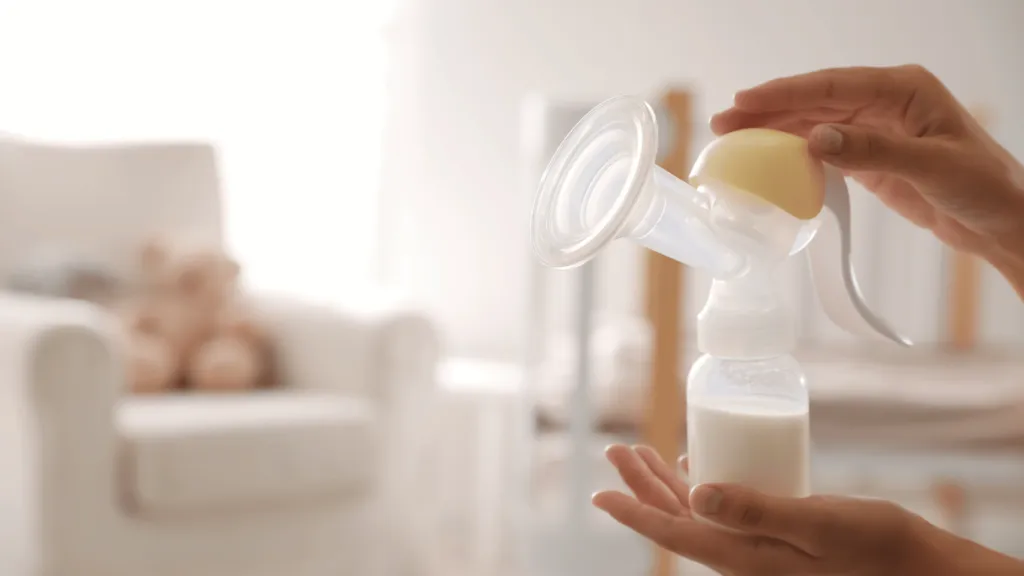
Let me explain this in simple terms that I wish someone had told me when I first started pumping. A flange is that funnel-shaped piece of your breast pump that fits over your breast during pumping sessions. It creates a seal around your nipple and areola to stimulate milk production and expression.
Think of it as the gateway between you and your pump – if it doesn’t fit properly, nothing else will work efficiently. I learned this the hard way with my first baby when I used the wrong size for weeks!
Step-by-Step Guide: How I Measure Nipples for Flange Size
After helping countless new moms through my nursing practice and testing various breast pumps myself, here’s the method I’ve found most reliable:
-
1Gather Your Measuring Tools
You’ll need a ruler or soft, flexible measuring tape with millimeter markings. I personally prefer a flexible tape measure as it contours better around the breast.
-
2Locate the Sweet Spot
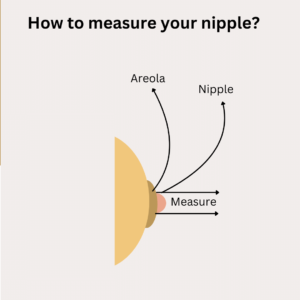
Find the base of your nipple where it meets the darker area around it (the areola). This is crucial – don’t include the areola in your measurement. I always tell the moms I work with to imagine drawing a circle right at this junction.
-
3Measure With Precision
Gently hold the ruler or tape measure at the base of your nipple and record the diameter in millimeters. I always recommend measuring both nipples because they can differ slightly in size – mine certainly do!
-
4Account for Natural Expansion
Here’s the key insight I’ve gained from my experience: add 4 millimeters to your measurement. Your nipples naturally expand during pumping, and this extra space prevents discomfort. For example, when I measured 18mm, I found my perfect fit was a 22mm flange.
What Size Flange for a 13mm Nipple?
Following my tried-and-true 4mm rule, a comfortable flange size for a 13mm nipple would be around 17mm. However, remember that every woman is unique – I always encourage you to measure your own nipples for the most accurate fit rather than guessing.
Measuring Inverted Nipples: My Professional Tips
Through my nursing practice, I’ve helped many mothers with inverted nipples. Here’s what I’ve found works best:
- Gently stimulate the nipple to encourage it to protrude slightly
- If it doesn’t protrude enough for an accurate measurement, measure the widest part of the areola instead
- Consider consulting a lactation consultant for a personalized fitting – I always recommend this for mothers with very inverted nipples
My Flange Size Chart (Based on Real Experience)
I’ve created this chart based on my professional experience and feedback from the mothers I’ve worked with. You can also use our Flange Size Calculator for quick reference:
| Nipple Size (mm) | Recommended Flange Size (mm) |
|---|---|
| 15 | 19 |
| 17 | 21 |
| 20 | 24 |
| 23 | 27 |
| 25 | 28 |
| 28 | 32 |
| 30 | 33 |
| 32 | 36 |
Is There a Perfect Formula for Flange Size?
While my 4mm rule provides an excellent starting point, I’ve learned through years of experience that it’s not always perfect for everyone. Flange size can depend on factors like nipple elasticity and breast tissue firmness. That’s why I always recommend consulting with a lactation consultant if you’re unsure – we can help determine the ideal size based on your unique anatomy.

My Recommended Breast Pumps for Optimal Comfort
Even with the perfect flange size, your pump’s technology matters immensely. Through my testing and professional experience, I highly recommend these pumps that pair beautifully with proper flange sizing:
- The Spectra S1 for its gentle suction and personalized settings
- The Elvie Pump for hands-free convenience during busy mom life
- The innovative Willow Pump that fits right in your bra
- The trusted performance of Medela pumps that I’ve relied on personally
Key Takeaways From My Experience
By following these simple steps and using my trusted 4mm rule, you can determine the ideal flange size for your breast pump. Remember, a well-fitting flange is absolutely crucial for a comfortable and productive pumping experience. If you’re still unsure about the perfect size or experience any discomfort while pumping, please don’t hesitate to consult a lactation consultant for personalized guidance – we’re here to help you succeed on your breastfeeding journey!
Signs You’re Using the Wrong Flange Size (From My Experience)
During my years as a nurse and through my own pumping journey, I’ve seen countless mothers struggle with the wrong flange size. Here are the telltale signs I watch for:
🚨 Red Flags That Your Flange Is Too Small:
- Pain or discomfort during pumping sessions
- Your nipple rubs against the sides of the flange tunnel
- White or discolored nipples after pumping
- Decreased milk output despite feeling full
- Cracked or damaged nipples from friction
⚠️ Signs Your Flange Might Be Too Large:
- Too much areola being pulled into the flange tunnel
- Poor suction and reduced efficiency
- Milk leaking around the edges during pumping
- Longer pumping sessions with less milk output
- Uncomfortable stretching of breast tissue
Common Flange Sizing Mistakes I’ve Seen
In my professional practice, I’ve noticed these common mistakes that many mothers make:
Many mothers assume the flange that comes with their pump is correct. I always tell them: most pumps come with 24mm flanges, but studies show only 20% of women actually need this size!
I recommend measuring when you’re not engorged and your nipples are in their natural state. Measuring when engorged can lead to choosing a size that’s too large.
Your nipple size can change throughout your breastfeeding journey. I advise remeasuring if you notice discomfort or decreased efficiency after several weeks of pumping.
My Professional Tips for Different Breast Anatomy
Large Nipples (28mm+)
If you have larger nipples like some of the mothers I work with, don’t worry! Here’s what I recommend:
- Consider brands like Medela that offer sizes up to 36mm
- Look into custom flange options if standard sizes don’t work
- Be extra careful with the +4mm rule – you might need only +2-3mm for comfort
Small Nipples (15mm or less)
For mothers with smaller nipples, I’ve found these strategies work best:
- Consider brands that offer 15mm, 17mm, or 19mm options
- Be patient – it might take trying several sizes to find your perfect fit
- Don’t go too small thinking it will create more suction
Flat or Short Nipples
This is more common than you might think! Here’s my approach:
- Try pumping for a minute to encourage nipple protrusion before measuring
- Consider using a nipple shield initially to help with protrusion
- Work with a lactation consultant for personalized strategies
When to Seek Professional Help
As a healthcare professional, I always encourage mothers to reach out when they need support. Contact a lactation consultant if you experience:
- Persistent pain despite trying multiple flange sizes
- Significant decrease in milk supply
- Nipple damage or cracking
- Difficulty with the measurement process
- Unique breast anatomy challenges
- Concerns about milk output efficiency
Maintaining Your Flanges: My Care Tips
Proper flange care is just as important as proper sizing. Here’s what I recommend to all my patients:
Daily Maintenance
- Rinse immediately after each pumping session
- Wash with warm soapy water at least once daily
- Air dry completely before storing
- Inspect regularly for cracks or wear
Weekly Deep Clean
- Sterilize using steam bags or boiling water
- Check the fit – worn flanges can change size slightly
- Replace if needed – I recommend every 3-6 months with regular use
Budget-Friendly Flange Options I Recommend
You don’t need to break the bank to get properly fitting flanges. Here are my cost-effective recommendations:
Many third-party manufacturers make excellent flanges compatible with major brands. I’ve tested several and found they perform just as well at a fraction of the cost.
Did you know many insurance plans cover replacement flanges? I always advise mothers to check with their provider – you might be surprised!
Some programs include multiple flange sizes for trial. This can be a cost-effective way to find your perfect size before purchasing.
Frequently Asked Questions From My Practice
Q: How often should I remeasure my nipples?
A: I recommend remeasuring every 4-6 weeks during your first few months of pumping, and then monthly thereafter. Your body changes, and so might your ideal flange size!
Q: Can I use different flange sizes for each breast?
A: Absolutely! I’d estimate about 30% of the mothers I work with need different sizes for each breast. This is completely normal – measure each side separately.
Q: What if I’m between two sizes?
A: In my experience, it’s usually better to go with the larger size for comfort. However, if you’re getting poor suction, try the smaller size. Sometimes it takes experimentation!
Q: Do flange sizes vary between pump brands?
A: Yes, they can! A 24mm flange from one brand might fit differently than a 24mm from another. Always check the specific measurements when switching brands.
Creating Your Personal Pumping Success Plan
Based on my professional experience, here’s the systematic approach I recommend to every new mother:
- Measure accurately using my guide above
- Start with the calculated size (nipple measurement + 4mm)
- Test and adjust based on comfort and efficiency
- Monitor and remeasure regularly as your body changes