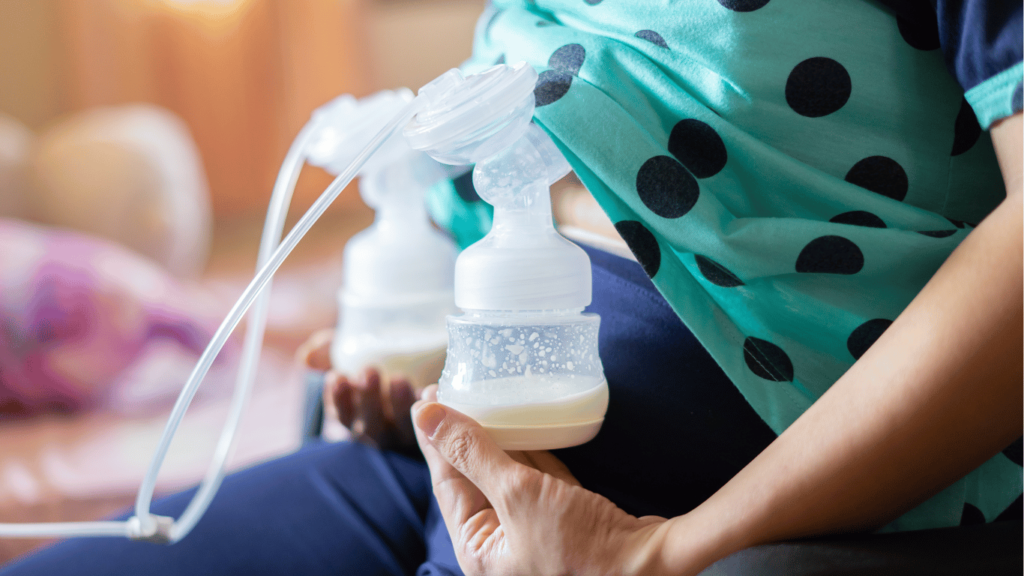
Free Breast Pumps Through Medicaid: The Complete Guide
Everything you need to know — eligibility, how to apply, which pumps are covered, and state-by-state details — straight from a nurse and mom who’s been through it.
Yes — most Medicaid plans cover a breast pump at little to no cost, typically one pump per pregnancy. Coverage rules vary by state, so the exact process and available models will depend on where you live. Read on for the full picture.
I still remember sitting in my OB’s waiting room the first time, completely overwhelmed by everything on my prenatal checklist. The breast pump was right there at the top, and I had absolutely no idea how to navigate Medicaid to get one. As a registered nurse, I thought I’d have it figured out — and honestly, I did not.
That experience is exactly why I put this guide together. If you’re on Medicaid and wondering whether it covers breast pumps, how to actually get one, and whether a wearable breast pump through Medicaid is even possible — you’ve come to the right place. I’ve done the research, dug into state-specific policies, and I’m sharing everything I know in plain, honest language.
Does Medicaid Pay for Breast Pumps?
The short answer is yes — but it comes with a “it depends on your state” caveat that I know can be frustrating to hear. Here’s what’s actually going on behind the scenes.
Medicaid is a joint federal-and-state program, which means the federal government sets the floor, and individual states build their own rules on top of it. Unlike private insurance plans that must follow the Affordable Care Act’s breastfeeding support mandate, some Medicaid programs operate under different guidelines — meaning there’s more variation in what’s actually covered.
That said, most state Medicaid plans do cover breast pumps — typically a personal-use double electric breast pump — at zero cost to you. Some states cover manual pumps only, a handful offer hospital-grade pump rentals in special medical circumstances, and a growing number are beginning to include wearable options as well.

“In my experience working with postpartum patients, the biggest issue isn’t eligibility — it’s that moms don’t know to ask. Your Medicaid plan almost certainly has this benefit available. The trick is knowing exactly how to access it.”— Charlotte Rose, RN, Mom of Two & Breast Pump Tester
Because Medicaid is not technically required by the ACA to follow the same zero-cost preventive care rules that apply to marketplace insurance, some states only cover pumps when they’re deemed medically necessary — such as in cases of premature birth, NICU stays, inverted nipples, or medical separation from your baby. However, many states have voluntarily extended coverage to all breastfeeding Medicaid members.
Breast pump coverage through Medicaid is real and available in all 50 states — but the type of pump, timing, and documentation required will vary. Always verify your specific plan details before ordering.
Who Qualifies for a Medicaid-Covered Breast Pump?
Eligibility for a breast pump through Medicaid generally depends on a few factors — and yes, I’m going to be specific here because I know vague answers are unhelpful when you’re trying to plan for your baby’s arrival.
General Eligibility Criteria
| Requirement | Details |
|---|---|
| Active Medicaid enrollment | You must be enrolled in a state Medicaid plan at the time of the request |
| Pregnancy or postpartum status | Most states require you to be pregnant (often 28–36 weeks) or within 12 months postpartum |
| Healthcare provider prescription | Nearly all plans require a written prescription from your OB, midwife, or CNM |
| Breastfeeding intent or medical need | Some states require documentation that you plan to breastfeed or that medical circumstances apply |
| Approved DME supplier | The pump must be ordered through a Medicaid-approved Durable Medical Equipment provider |
| One pump per pregnancy | Medicaid typically covers one pump per pregnancy (you may qualify again with a new pregnancy) |
Managed Care vs. Fee-for-Service Medicaid
This is something most guides skip over, and it actually matters a lot. Many states use Managed Care Organizations (MCOs) to administer Medicaid — think plans like Molina Healthcare, Centene, or UnitedHealthcare Community Plan. If your Medicaid is through an MCO, you’ll follow that MCO’s specific breast pump process, not generic state Medicaid rules.
If you’re on fee-for-service Medicaid (sometimes called “straight Medicaid”), you’ll follow the state’s standard process and have access to any Medicaid-enrolled DME supplier in your state. MCO plans typically have a narrower network of approved suppliers but often have a smoother, more streamlined ordering process.
If you’re unsure whether you’re on an MCO or fee-for-service plan, call the Member Services number on your Medicaid card. They’ll tell you exactly which path to follow for your breast pump benefit.
How to Get a Breast Pump Through Medicaid
I’m going to walk you through this exactly like I’d walk a patient through it — one clear step at a time. No confusing insurance jargon, just the real process.
Confirm Your Coverage
Call the Member Services number on your Medicaid card and ask specifically: “Does my plan cover a breast pump? Am I eligible? What types are covered?” Note the representative’s name and the date of your call.
Get a Prescription From Your Provider
Ask your OB/GYN, midwife, or CNM to write a breast pump prescription. This is standard — they do it routinely. If your plan requires documentation of medical necessity or work/school separation, mention it so they can include the right language.
Choose a Medicaid-Approved DME Supplier
Your Medicaid plan will have a list of approved Durable Medical Equipment suppliers. Well-known national options include Aeroflow Breastpumps, The Breastfeeding Shop, Pumps for Mom, 1 Natural Way, and Edgepark. Many handle all the paperwork for you.
Submit Your Prescription & Insurance Info
Provide your prescription, Medicaid ID number, and any additional documentation your state requires. Reputable DME suppliers will handle the prior authorization process on your behalf — you shouldn’t have to fight Medicaid yourself.
Select Your Pump Model
Browse the covered pump options within your Medicaid plan. Some plans offer limited models; others give you a broader choice. If you want an upgraded model, ask if an upgrade fee option is available — though note that many Medicaid MCOs prohibit cost-sharing upgrade fees entirely.
Receive Your Pump — Free
Once approved, your pump ships directly to your door at no cost. Most orders process within 5–10 business days. Some states process prenatal orders but hold shipment until after delivery — ask your supplier about timing.
Start the process during your third trimester — ideally around 28–30 weeks. Some states allow ordering up to 30 days before your due date. Starting early means your pump arrives before your baby does, so you’re not scrambling in those first fragile postpartum days.
What Breast Pumps Does Medicaid Cover?
This is one of the most common questions I see, so let’s get specific. Medicaid breast pump coverage is not locked to one specific brand — there’s actually more flexibility than most moms expect. The key is knowing which models your DME supplier carries and which ones fall within your plan’s covered price range.
| Pump Type | Typically Covered? | Notes |
|---|---|---|
| Standard double electric pump | ✓ Yes | Most commonly covered. Often the default option offered. |
| Manual breast pump | ✓ Yes | Always covered when electric isn’t; great for backup use. |
| Hospital-grade pump (purchase) | ✗ Rarely | Usually not covered for personal purchase. |
| Hospital-grade pump (rental) | ⚡ Sometimes | Covered in medical necessity cases (NICU, preemie, medical condition). |
| Wearable / hands-free pump | ⚡ Growing | Availability expanding — see the full section below. |
| Pump accessories (flanges, bags) | ⚡ Sometimes | Some plans and DME suppliers include storage bags and tubing at no cost. |
🌸 Commonly Covered Pump Brands Through Medicaid
Availability varies by state and DME supplier. Always verify with your specific plan.
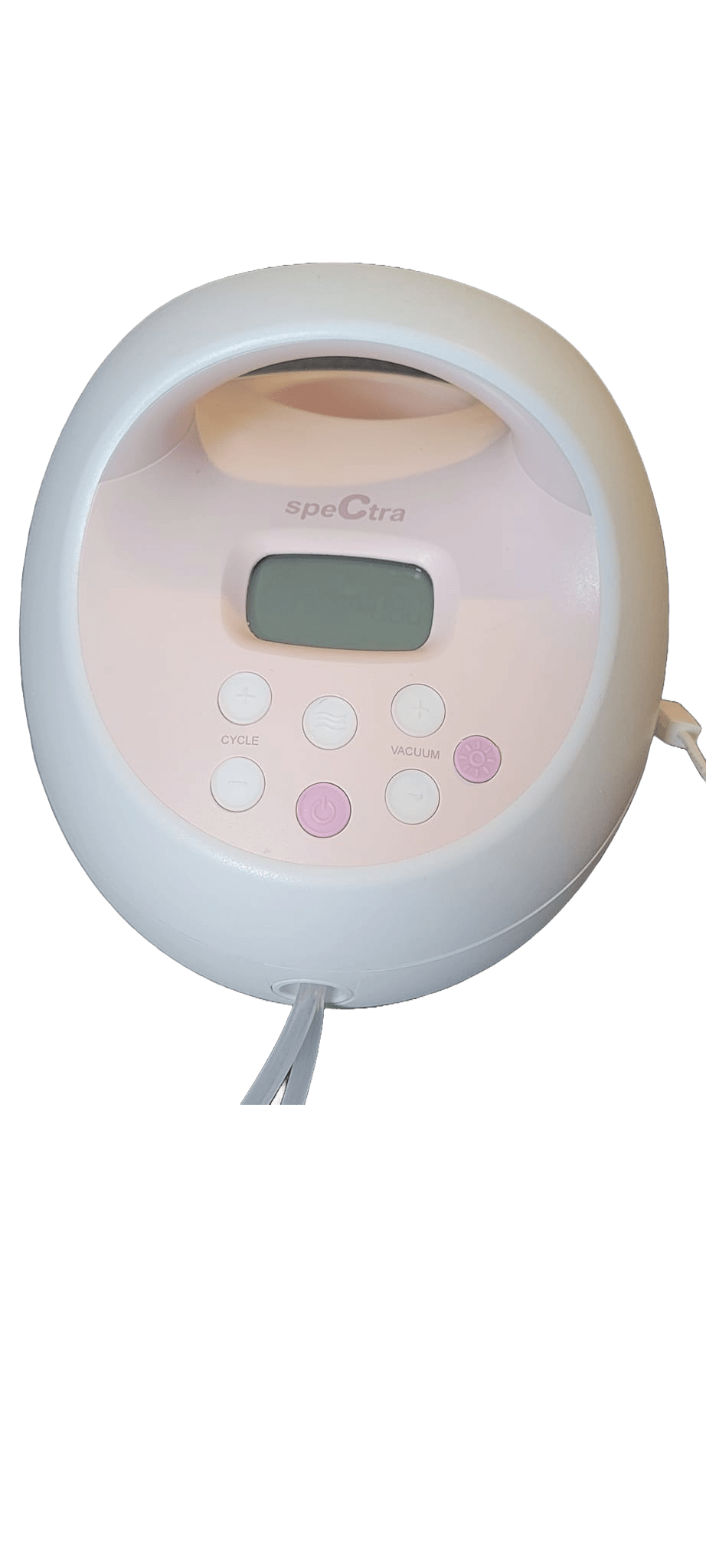
Spectra S2 Plus
Quiet, hospital-strength suction with a built-in night light. One of the most-covered Medicaid pump models nationwide.
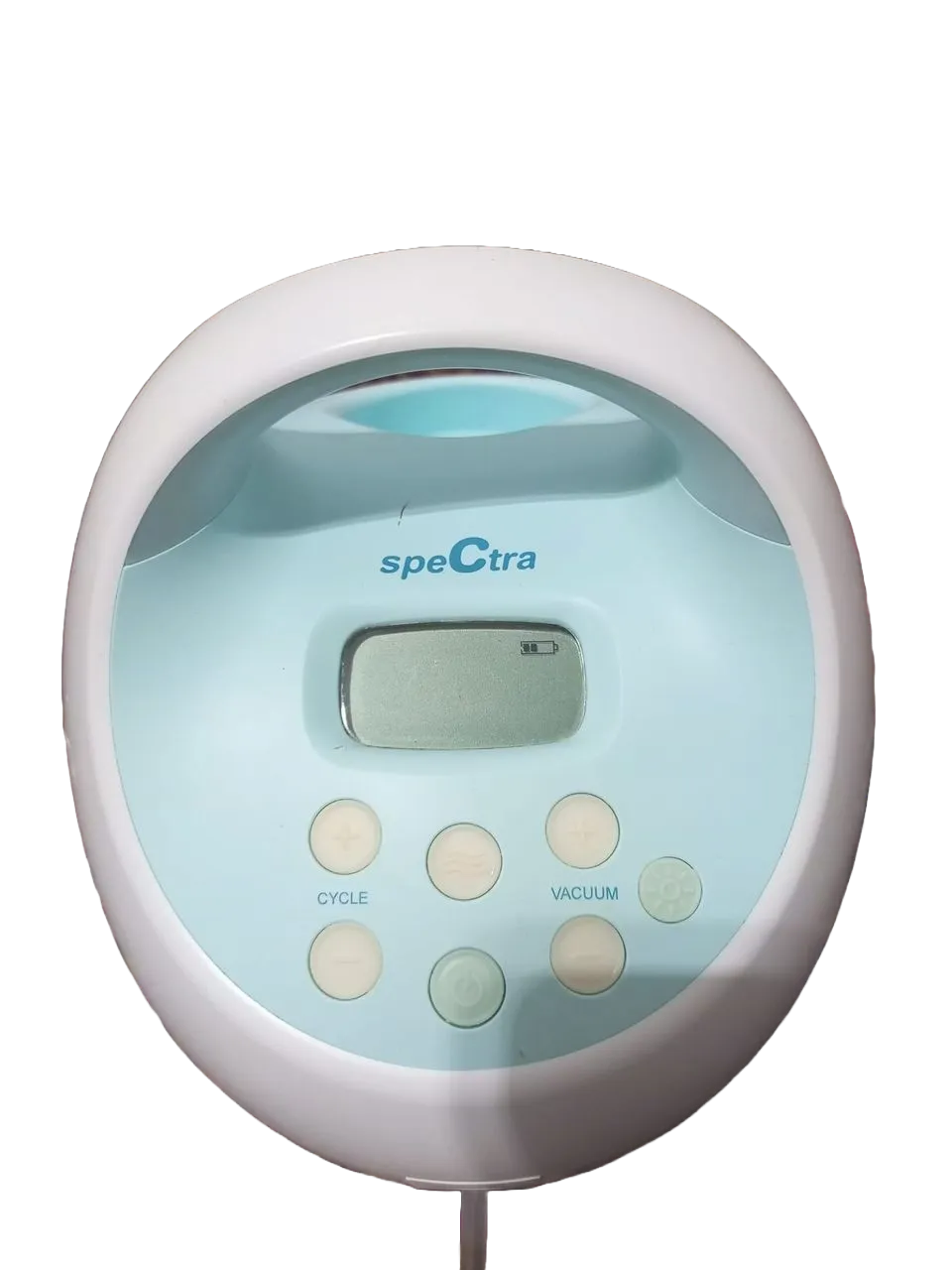
Spectra S1 Plus
Rechargeable battery version of the S2 — great for on-the-go moms who need portability.
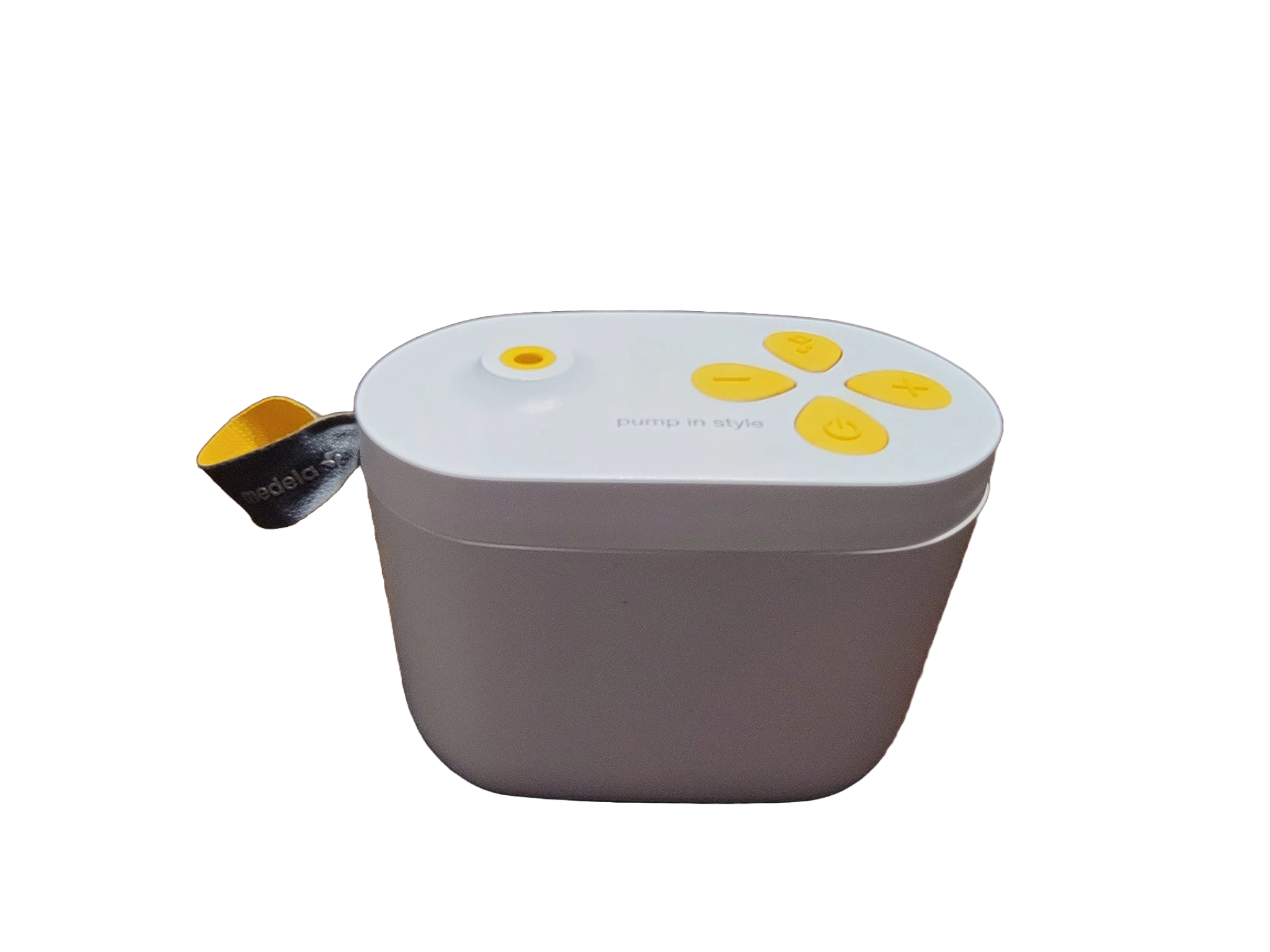
Medela Pump In Style
Trusted by millions of moms. Widely accepted by Medicaid plans across the country.
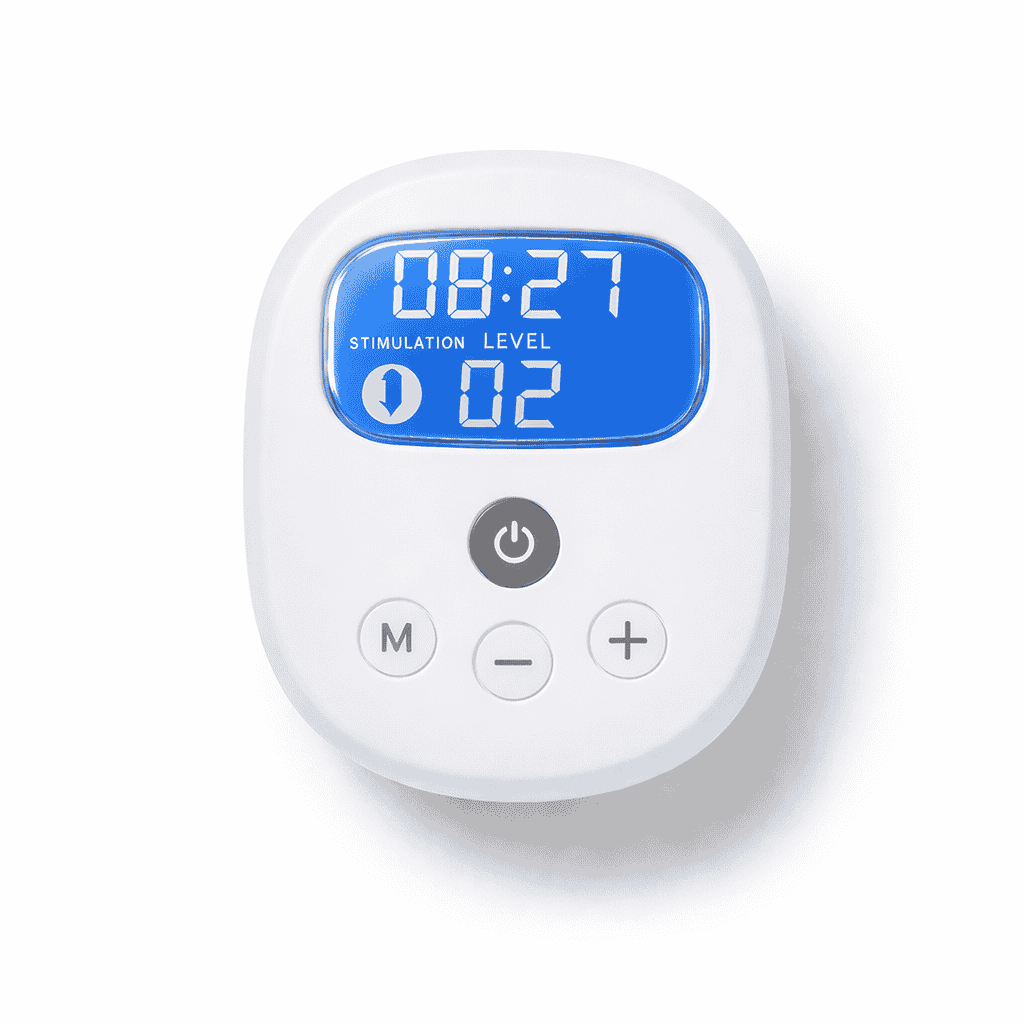
Ameda Mya Joy
Compact and lightweight with customizable settings. Often available through Medicaid MCO plans.
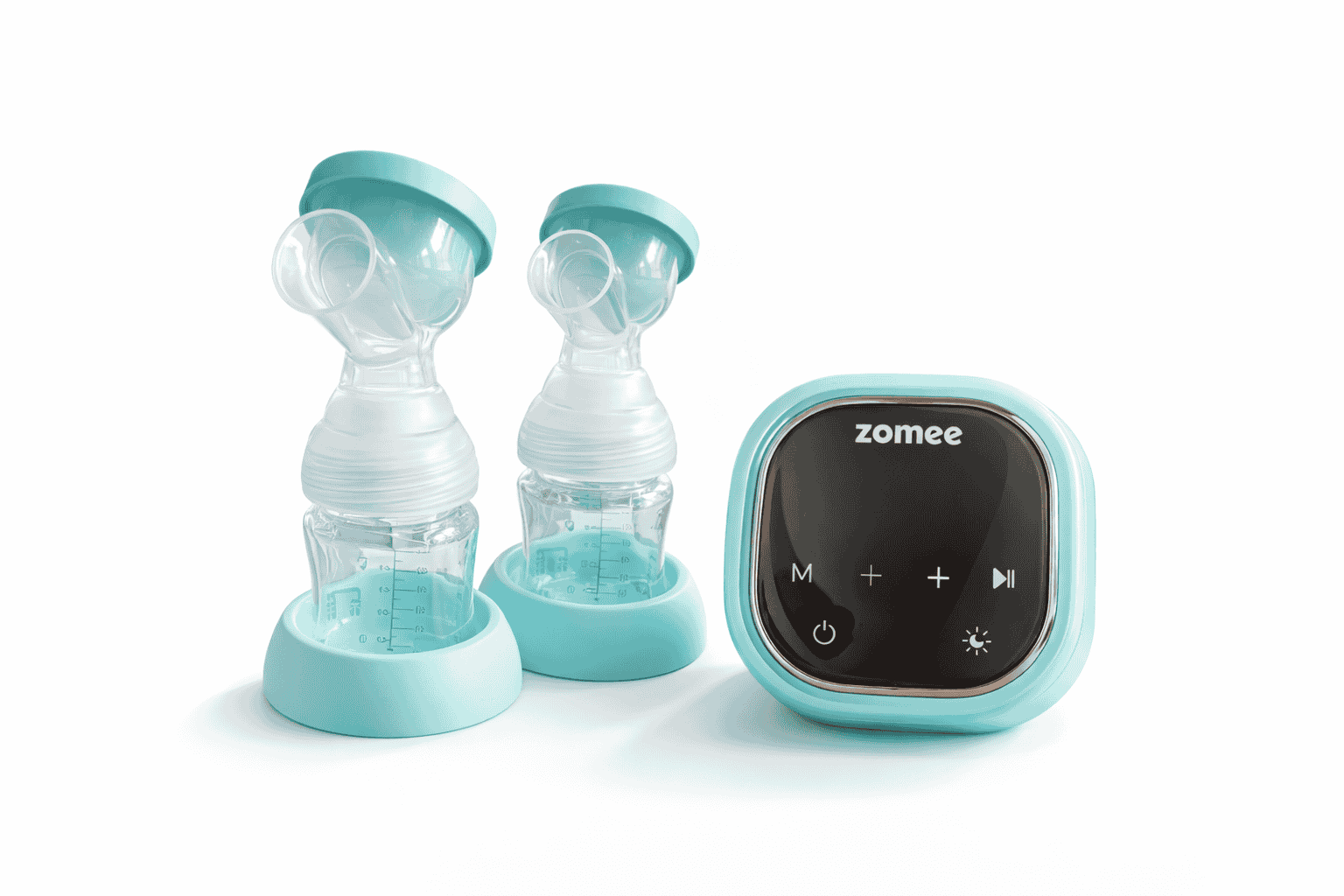
Zomee Z2
Three pumping modes, 19 suction levels — mimics a baby’s natural nursing rhythm beautifully.

Motif Luna
Lightweight, rechargeable, and designed for exclusive pumping. Popular through many Medicaid DME suppliers.
Can I Get a Wearable Breast Pump Through Medicaid?
This question has exploded in the past couple of years — and I completely understand why. Wearable pumps like the Elvie, Willow, and Momcozy have changed the game for pumping moms. So can you actually get a wearable breast pump through Medicaid?
The answer is: increasingly, yes — but with caveats.
Traditional Medicaid coverage defaulted to standard double electric pumps, which are bulkier and cord-dependent. But as wearable pump technology has become more mainstream and more DME suppliers have added them to their catalogs, some Medicaid plans and MCOs are starting to include wearable options as covered benefits.
| Wearable Pump Brand | Medicaid Availability | Notes |
|---|---|---|
| Momcozy M9 / M5 | ✓ Available through select DME partners | Most accessible wearable option through insurance; verify with Momcozy’s DME partners |
| Lansinoh Wearable Double Electric | ✓ Available through select suppliers | Hands-free, no cords/tubes — growing Medicaid availability |
| Zomee Wearable | ⚡ Varies by state | Available through select Medicaid-enrolled DME suppliers |
| Elvie Stride | ✗ Limited | Higher price point; typically requires an upgrade fee not allowed under most Medicaid MCOs |
| Willow Go | ✗ Limited | Similar situation — may require out-of-pocket cost which MCOs often prohibit |
If a wearable pump is important to you (and as a working mom, I totally get it), your best bet is to contact a national DME supplier like Aeroflow or The Breastfeeding Shop and ask specifically: “What wearable pump options are available through my Medicaid plan?” They know the catalog better than anyone and can tell you exactly what’s possible for your specific plan and state.
Worth noting: many Medicaid MCO plans prohibit upgrade fees entirely — meaning if a wearable pump costs more than what Medicaid reimburses, the supplier cannot legally charge you the difference. This is actually protective for you, but it does mean truly high-end wearables may not be an option through Medicaid specifically. You can always supplement with a secondary wearable pump purchased separately.
Free Breast Pumps Through Medicaid — State Spotlight
Because Medicaid is state-administered, I want to give you accurate, state-specific information — especially for states that come up most often in my reader questions. Below are detailed breakdowns, plus a general comparison table for broader context.
General State Comparison
| State | Pump Covered? | Prescription Needed? | Prior Auth? | Timing Window |
|---|---|---|---|---|
| South Carolina (SC) | ✓ Yes | ✓ Yes | Varies by MCO | 28 wks–12 mo postpartum |
| Mississippi (MS) | ✓ Yes | ✓ Yes | ✓ Required | Medically necessary basis |
| New York (NY) | ✓ Yes (broad) | ✓ Yes | Not for standard pumps | Pregnancy–12 mo postpartum |
| Minnesota (MN) | ✓ Yes | ✓ Yes | Not for standard pumps | Based on separation need |
| Ohio, Texas, IL, VA, IN | ✓ Generally yes | ✓ Yes | Varies by plan | Varies by plan |
The best source for your state’s exact Medicaid breast pump rules is your state’s Medicaid website or the Member Services line on your Medicaid card. DME suppliers like Aeroflow and The Breastfeeding Shop also have state-specific eligibility teams who verify benefits for you at no charge.
Insider Tips to Make the Process Smoother
After navigating this myself and researching it extensively, here are the things I wish someone had told me from the start.
What If Medicaid Doesn’t Cover My Pump?
If your state’s Medicaid plan doesn’t cover a breast pump, or if you’re told your circumstances don’t qualify, don’t give up. There are real alternatives that have helped thousands of moms access pumps at little to no cost.
WIC (Women, Infants & Children) Program
Many WIC clinics provide breast pumps — either manual pumps to keep or hospital-grade rentals — especially for mothers with medical circumstances. Your WIC office is worth a call regardless of your Medicaid situation.
Hospital Lactation Programs
Many hospitals offer pump loans or rentals through their lactation departments. If your baby is in the NICU or you’re having breastfeeding challenges, ask the hospital’s lactation consultant directly.
Nonprofit & Community Programs
Organizations like La Leche League, Postpartum Support International, and local community health centers sometimes have pump lending programs for moms in need.
Appeal the Decision
If your Medicaid plan denied coverage, you have the right to appeal. Work with your healthcare provider to document medical necessity and submit an appeal. Many denials are overturned when proper documentation is provided.
Frequently Asked Questions
Does Medicaid pay for breast pumps in all 50 states?
Yes — Medicaid programs cover breast pumps in all 50 states, but the coverage rules, pump types, and eligibility requirements differ significantly from state to state. Most states cover a standard double electric pump at no cost for eligible pregnant and postpartum members. A handful of states have more restrictive criteria that require medical necessity documentation.
How do I get a free breast pump through Medicaid — what’s the first step?
The very first step is calling the Member Services number on your Medicaid card and asking: “Does my plan cover a breast pump and am I currently eligible?” From there, they’ll direct you to an approved DME supplier. Alternatively, you can go directly to a full-service national DME supplier like Aeroflow Breastpumps, who will verify your benefits for you at no charge and guide you through the entire process.
What breast pumps does Medicaid cover specifically?
Medicaid typically covers standard double electric breast pumps and manual breast pumps. Commonly available brands through Medicaid-enrolled DME suppliers include Spectra S2 Plus, Spectra S1 Plus, Medela Pump In Style, Ameda Mya Joy, Zomee Z2, and Motif Luna. The exact models available depend on your state’s plan and your specific DME supplier. Hospital-grade pumps are generally only covered as rentals for medically necessary circumstances.
Can I get a free breast pump through Medicaid in South Carolina?
Yes! Free breast pumps through Medicaid SC are available through all major managed care plans in the state, including Healthy Blue SC, BlueChoice HealthPlan, Molina Healthcare SC, and Carolina Complete Health. Healthy Blue SC members who are between 28 weeks pregnant and 12 months postpartum can request their pump through the My Health Toolkit app or member portal. A prescription from your OB/GYN is required.
What is the process for Mississippi Medicaid breast pump coverage?
Mississippi Medicaid (administered by the Mississippi Division of Medicaid, DOM) covers both manual and electric breast pumps for nursing mothers as durable medical equipment. You’ll need a physician’s prescription, and importantly, Mississippi requires prior authorization from the Utilization Management and Quality Improvement Organization (UM/QIO) before the pump is delivered. This prior authorization process can take some time, so start early. Mississippi WIC also provides complementary breastfeeding support and pump access for qualifying moms.
Can I get a wearable breast pump through Medicaid?
It’s becoming more possible, but it depends on your plan and state. Some DME suppliers now offer wearable or hands-free pump options within Medicaid coverage — Momcozy M9/M5 and Lansinoh Wearable are among the most accessible wearable models through insurance partners. However, many Medicaid MCO plans prohibit upgrade fees, meaning truly high-end wearables (like Elvie or Willow) may not be covered at no cost. Contact your DME supplier and ask specifically about hands-free or wearable options within your plan’s budget.
Can I get a breast pump before my baby is born through Medicaid?
This varies by state. Some states (like New York) allow orders throughout pregnancy; others only process the order after your baby arrives. Many Medicaid plans allow you to start the paperwork and select your pump prenatally — particularly in the third trimester — with shipment triggered upon delivery. Always ask your DME supplier or Medicaid plan about your state’s specific timing rules.
How many breast pumps does Medicaid cover per person?
Medicaid typically covers one breast pump per pregnancy. However, if you have a subsequent pregnancy, you’re generally eligible for another pump. Some plans may also cover replacement in specific circumstances — such as if the pump malfunctions and is no longer under warranty. Check with your plan for the specifics.
Does Medicaid cover breast pump replacement parts?
Some Medicaid plans do cover replacement parts like valves, tubing, membranes, and breast milk storage bags. Minnesota’s Medicaid program, for example, covers specific HCPCS-coded replacement parts. However, this is not universal — check with your specific Medicaid plan and DME supplier. Many DME suppliers also include a starter kit of extra parts when they send your pump, so ask about this when ordering.
What if I have both Medicaid and another insurance plan?
If you have both Medicaid and a primary insurance plan (like employer-sponsored insurance), your primary insurance is billed first. Medicaid steps in as secondary coverage to cover any remaining costs. This coordination typically means your breast pump ends up costing you nothing out of pocket. Your DME supplier will handle the billing coordination between both plans.
You Deserve This Benefit — Go Get It, Mama 🌸
A breast pump through Medicaid is not a handout — it’s a healthcare benefit you’re entitled to. Whether you’re navigating a complex MCO plan or trying to figure out the Mississippi or South Carolina Medicaid process, the key is to start early, ask specific questions, and let a good DME supplier do the heavy lifting for you.
Explore All Insurance Breast Pump Guides →
“As both a registered nurse and a mom who’s pumped through two babies, I know how much a good breast pump matters. Don’t let confusing insurance language stop you from accessing something that can genuinely change your breastfeeding journey. If this guide helped you, share it with another mom who’s figuring this out — we’re all in this together.”— Charlotte Rose, RN · A Professional Nurse, a Mom of Two & A Breast Pump Tester
Disclaimer: This article is for informational purposes only and is based on publicly available Medicaid guidelines as of 2026. Medicaid coverage rules change frequently and vary by state and managed care plan. Always verify your specific coverage details directly with your Medicaid plan or approved DME supplier before ordering. This is not legal or medical advice.