Can You Mix Breast Milk from Different Days? The Complete Safety Guide Every Mom Needs
Discover the secrets to safely combining your precious liquid gold—because every drop counts when you’re nourishing your little one!

Absolutely! Mixing breast milk from different days is generally safe and a brilliant way to maximize your pumping efforts. But here’s the key: safe storage practices are non-negotiable! Freshly pumped milk can be stored in the refrigerator for up to 4 days (check out our comprehensive guide on breast milk storage guidelines), while frozen milk can last an impressive 12 months in a deep freezer.
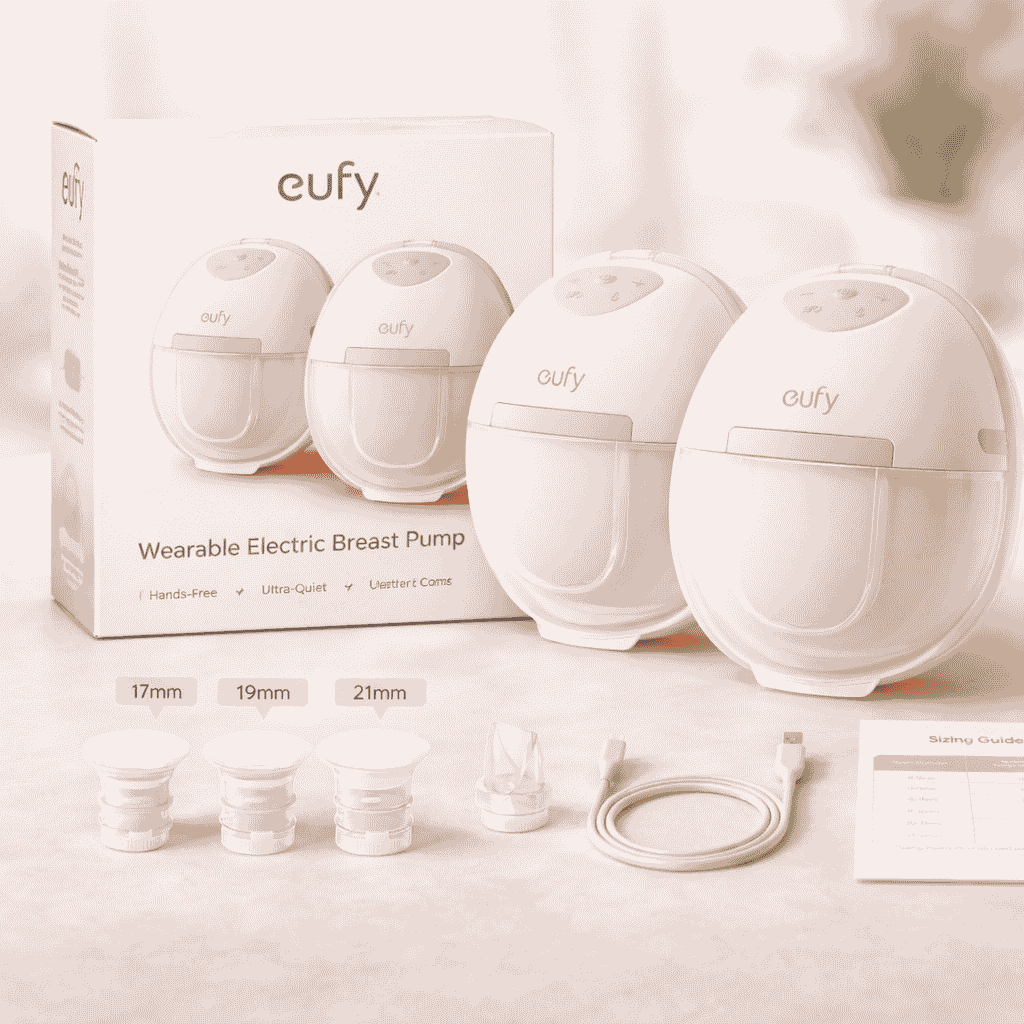
When combining milk from different days, always cool fresh milk completely before adding it to refrigerated or frozen batches. This crucial step ensures proper storage temperatures and keeps your precious liquid gold safe for your little one. Whether you’re using a high-quality breast pump or looking for the best wearable breast pump for your needs, understanding proper milk storage and mixing techniques is essential.
🌟 Recommended: Premium Breast Pumps for Efficient Milk Expression
Replace this placeholder with your actual product image URL
Why Choose the Right Breast Pump?
- Hospital-Grade Suction: Mimics baby’s natural nursing rhythm for maximum milk output
- Quiet Operation: Pump discreetly anytime, anywhere without disturbing your baby
- Portable & Rechargeable: Perfect for busy moms on the go
- Easy to Clean: Fewer parts mean less time cleaning and more time with baby
- Insurance Covered: Many pumps are available through insurance at no cost
📚 Essential Breastfeeding Resources
The Art of Combining Breast Milk: Your Step-by-Step Safety Guide
Combining breast milk from different days can be a wonderful way to maximize your pumping efforts and ensure your baby has enough nourishment. Here’s your foolproof guide to doing it safely:
Step 1: Check the Storage Dates Carefully
Before mixing any milk, ensure all batches have been stored correctly following CDC guidelines. Freshly expressed milk can be stored at room temperature for up to 4 hours, in the refrigerator for up to 4 days, or in a freezer for up to 6 months (12 months in a deep freezer). Never mix fresh milk directly with previously frozen milk—always cool fresh milk first.
Step 2: Thaw Frozen Milk Properly (if applicable)
If you’re combining milk from different days and one batch is frozen, thaw it completely in the refrigerator overnight or under running lukewarm water. Never thaw breast milk in the microwave or leave it at room temperature, as this can destroy vital nutrients and create hot spots that could burn your baby’s mouth.
Step 3: Cool Fresh Milk Before Combining
This is crucial! If you’ve just pumped fresh milk, refrigerate it for at least 30-60 minutes before combining it with previously refrigerated or thawed milk. This prevents raising the temperature of the stored milk, which could promote bacterial growth.
Step 4: Gently Warm (Optional)
While not essential, you can gently warm the milk in a warm water bath before combining. Avoid overheating, as temperatures above 104°F (40°C) can destroy some of the milk’s beneficial antibodies and enzymes. Many babies are perfectly happy drinking milk straight from the fridge!
Step 5: Combine and Swirl Gently
Pour the separate milk batches into a clean, sanitized bottle or storage container. Gently swirl—never shake vigorously—to ensure even distribution of temperature and fat content. Shaking can damage the proteins and cells in breast milk.
Step 6: Label Clearly and Use Appropriately
Once combined, label the container with the new “use by” date. This date should reflect the earliest expiration date of the individual milk batches you combined. For example, if you mix milk pumped on Monday (good for 4 days) with milk from Wednesday (good for 2 days), use the Wednesday date.
Frequently Asked Questions About Mixing Breast Milk
Key Takeaways—Can You Mix Breast Milk from Different Days?
Here are the essential points to remember when combining breast milk safely:
- Storage matters: Only combine milk that has been stored following CDC-recommended safe practices. Check dates carefully before mixing.
- Cool before combining: Always refrigerate fresh milk for 30-60 minutes before adding it to previously refrigerated or frozen milk to prevent temperature spikes.
- Thaw frozen milk properly: Never mix frozen milk directly with fresh milk. Always thaw frozen milk completely in the refrigerator or under lukewarm water before combining.
- Gentle handling: Swirl combined milk gently rather than shaking vigorously to preserve beneficial proteins and cells.
- Label clearly: Always label combined milk with a new “use by” date based on the earliest expiration date of the individual batches.
- When in doubt, throw it out: If milk smells sour or has been stored improperly, it’s better to be safe and discard it.
Continue Your Breastfeeding Journey
Trusted Medical References
1. Centers for Disease Control and Prevention (CDC). “Proper Storage and Preparation of Breast Milk.” https://www.cdc.gov/breastfeeding/recommendations/handling_breastmilk.htm
2. American Academy of Pediatrics. “Breastfeeding and the Use of Human Milk.” Pediatrics, 2022
3. La Leche League International. “Storing Human Milk.” https://www.llli.org/breastfeeding-info/storingmilk/
💝 Remember: Every mother’s breastfeeding journey is unique. If you have specific concerns about storing or combining breast milk, always consult with your pediatrician, lactation consultant, or healthcare provider. You’re doing an amazing job, mama!