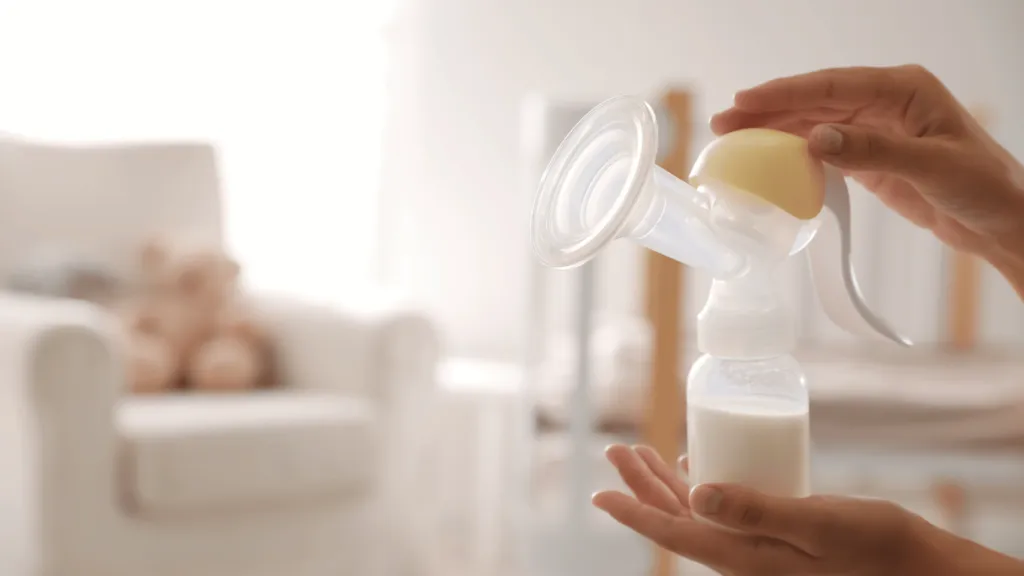
The Complete Breast Pump Cleaning Guide Every Nursing Mom Needs
I’ll never forget the day I discovered a mysterious milky film on my pump valve after three days of “quick rinses.” My stomach dropped. Was I feeding my baby contaminated milk? That moment changed everything about how I approached pump hygiene—and I’m here to make sure you don’t make the same mistakes I did.

Let me be completely honest with you: when I brought home my first breast pump, I thought cleaning it would be as simple as rinsing a baby bottle. How wrong I was. Between those tiny valve membranes, hidden connectors, and the endless debate about tubing (to wash or not to wash?), I quickly realized that pump cleaning is its own specialized skill.
After pumping for two babies, testing dozens of pumps for this website, and combining my nursing background with hard-won mom experience, I’ve developed a cleaning system that’s both thorough and realistic for exhausted parents. This isn’t about perfection—it’s about keeping your baby safe while staying sane.
Why Breast Pump Cleaning Actually Matters (Beyond the Obvious)
I know you already understand that cleanliness is important. But let me paint you a clearer picture of why this matters so much, especially as someone who’s seen both the nursing side and the mom side of this equation.
Breast milk is nutritionally perfect for babies—rich in fats, proteins, and sugars. Unfortunately, those same nutrients create an ideal breeding ground for bacteria when left on pump parts. Even a thin film of milk residue can harbor harmful pathogens within hours.
Who Needs to Be Extra Vigilant?
While every baby deserves clean pump parts, certain situations require even more attention to hygiene:
- Premature infants with underdeveloped immune systems
- Babies under 2 months old who haven’t built robust immunity yet
- Immunocompromised babies with health conditions affecting their defenses
- Shared pumps in NICU or hospital settings (always use a hospital-grade barrier)
If your baby falls into any of these categories, consider the daily sanitizing recommendations in this guide as non-negotiable rather than optional.
My Practical Cleaning Schedule (Tested Through Two Kids and Countless Pumps)
Here’s what actually works in real life, not just in theory. I’ve refined this schedule through trial, error, and plenty of 3 AM pumping sessions.
| Frequency | What to Clean | Why It Matters |
|---|---|---|
| After Every Session | All parts touching milk: flanges, valves, membranes, connectors, bottles | Prevents bacterial growth and milk residue buildup |
| Once Daily | Deep sanitize all milk-contact parts | Extra protection for babies under 2 months or with health needs |
| As Needed | Tubing (only if milk enters or moisture accumulates) | Prevents mold in unexpected moisture situations |
| Weekly | Pump motor exterior wipe-down | Maintains overall pump hygiene and function |
The Step-by-Step Cleaning Process I Use Every Single Time
This is my actual routine—the one I’ve perfected after countless pumping sessions. It might seem detailed, but once you’ve done it a few times, it becomes second nature.
1Start With Clean Hands
Before touching anything, I wash my hands thoroughly with soap and warm water for at least 20 seconds. This seems obvious, but it’s easy to skip when you’re exhausted and just want to store that precious milk and collapse into bed.
Why it matters: Your hands carry bacteria from everything you’ve touched throughout the day. Starting with clean hands means you’re not transferring new germs to the very parts you’re trying to clean.
2Disassemble Completely (Yes, Every Single Piece)
I take apart everything that touched my breast or milk:
The key here is separating every component. Bacteria thrive in those hidden spaces between pieces, so if you don’t take everything apart, you’re not really cleaning thoroughly.
3The Critical First Rinse
Immediately after pumping, I rinse all parts under cool or lukewarm running water. Not hot water—and here’s why: hot water actually sets milk proteins onto plastic surfaces, making them harder to clean later. It’s like cooking an egg onto a pan.
This quick rinse takes 30 seconds but prevents dried milk from cementing itself to your parts. Trust me, scrubbing dried milk at midnight is nobody’s idea of fun.
4The Proper Wash
Here’s where I differ from what many people do: I never wash pump parts directly in my sink. Kitchen sinks harbor surprising amounts of bacteria, even when they look clean.
Instead, I use a dedicated wash basin that’s only for pump parts:
- Fill the basin with warm (not hot) water
- Add a small amount of mild, unscented dish soap
- Wash each piece individually with my hands or a dedicated soft brush
- Pay extra attention to valve crevices, membrane edges, and flange ridges
5Rinse Until Squeaky Clean
I rinse every piece under clean, running water until there’s absolutely no soap residue left. Leftover soap can affect milk taste and potentially irritate your baby’s sensitive stomach.
My test: I run my finger over each part. If it feels slippery, there’s still soap. Keep rinsing until parts feel clean but not slick.
6The Drying Process (More Important Than You Think)
This step prevented so many problems for me once I started doing it correctly. I place all parts on a clean drying rack or fresh paper towels and let them air-dry completely.
What I never do anymore: Pat parts dry with a towel. Even clean towels can harbor bacteria that transfer to pump parts. Air-drying is slower but infinitely safer.
7Daily Sanitizing (My Non-Negotiable for Newborns)
For my newborns, I sanitized daily using one of these methods. Now that my kids are older, I sanitize weekly, but those early months? Daily sanitizing gave me peace of mind I desperately needed.
| Method | How I Do It | My Honest Take |
|---|---|---|
| Boiling | Submerge washed parts in boiling water for 5 minutes, remove with clean tongs | Free and effective, but requires watching the pot. Not for tubing ever. |
| Microwave Steam Bags | Place parts in bag with water, microwave per instructions (usually 2-3 minutes) | My favorite! Quick, convenient, and I can do it while holding a baby. Worth every penny. |
| Electric Sterilizer | Load parts, press button, walk away | Great if you have counter space and sterilize frequently. Pricier upfront but hands-off. |
| Dishwasher Sanitize Cycle | Top rack only, use mesh basket for small parts, run sanitize cycle | Convenient but check manufacturer guidelines first. Some parts aren’t dishwasher-safe. |
The Great Tubing Debate: What I Actually Do
This confused me endlessly as a new mom, so let me clear it up based on both my nursing knowledge and real experience: tubing typically doesn’t need cleaning because it should never touch your milk.
When I Leave Tubing Alone:
- When it stays completely dry inside
- When there’s just condensation (I run the pump for 30 seconds to dry it out)
- During normal, everyday pumping with a properly functioning backflow protector
When I Replace Tubing Immediately:
- If milk ever enters the tubing (backflow protector failed)
- If I see any mold or discoloration inside
- If moisture won’t dry out after running the pump
Cleaning the Pump Motor (The Part Everyone Forgets)
Your pump motor housing needs attention too, though it’s simpler than parts cleaning. Weekly, I wipe down the exterior with a clean, damp cloth, being very careful around buttons, screens, and any electrical connections.
What never happens: The motor never goes near water. Never submerged, never rinsed, never put in a dishwasher. Electronics and water don’t mix, no matter how dirty that pump looks.
Storage: The Step That Determines Your Next Session
Once everything is completely dry (I can’t stress “completely” enough), I store parts in a clean, covered container or zip-lock bag. This keeps them protected from dust, pet hair, and whatever else floats around my house.
I learned the hard way that storing parts before they’re fully dry creates a perfect mold environment. Now I’d rather wait an extra 30 minutes than deal with discovering fuzzy growth on a valve.
The Mistakes I Made So You Don’t Have To
In the spirit of complete honesty, here are the pump-cleaning mistakes I made during my first pumping journey:
❌ Not washing my hands first – I was transferring new bacteria while trying to clean. Face-palm moment.
❌ Using hot water for the initial rinse – This baked milk proteins onto my parts, making everything harder to clean.
❌ Drying parts with a towel – Even my “clean” towels weren’t clean enough. Air-drying is worth the wait.
❌ Storing parts while still slightly damp – Hello, mold. This was disgusting to discover.
❌ Cleaning tubing that didn’t need it – I trapped moisture inside, which caused more problems than it solved.
❌ Washing pump parts with regular dishes – Cross-contamination was definitely happening.
❌ Skipping daily sanitizing for my newborn – My nursing instincts told me this was risky, and I should have listened sooner.
My Realistic Quick-Clean Routine for Busy Days
Look, I’m not going to pretend every pumping session allows for thorough cleaning. Some days you’re running on three hours of sleep, dealing with a fussy baby, and just trying to survive. I get it.
Here’s my compromise routine that maintains safety while acknowledging reality:
- Rinse parts immediately after each pump – Non-negotiable 30-second task
- Full wash with soap at least once daily – I batch-clean all my parts together
- Sanitize once per day for newborns – I do this before bed while parts air-dry overnight
- Keep 2-3 extra part sets on hand – This lets me pump several times before washing
This system saved my sanity during those exhausting early weeks. It’s not perfect, but it’s safe and sustainable.
Why This Cleaning Approach Actually Works
As both a nurse and a mom who’s been in the pumping trenches, I can tell you this routine works because it balances three critical factors:
1. Safety: Following proper hygiene protocols prevents bacterial contamination that could harm your baby.
2. Practicality: The routine is doable even when you’re exhausted, especially with multiple part sets.
3. Effectiveness: Each step serves a specific purpose, nothing is overkill, and nothing is neglected.
This isn’t just theory from a textbook—it’s what actually works when you’re pumping multiple times daily, caring for a baby, and trying to maintain your sanity.
My Final Thoughts on Pump Cleaning
Cleaning a breast pump thoroughly isn’t glamorous. It’s not the Instagram-worthy part of motherhood. But it’s one of those invisible tasks that profoundly impacts your baby’s health and your peace of mind.
After two kids, countless pumping sessions, and testing more breast pumps than I can count for Breast Pumps Hub, I can promise you this: a solid cleaning routine becomes second nature faster than you think. Soon you’ll be disassembling and cleaning pump parts while half-asleep, chatting on the phone, or mentally planning tomorrow’s schedule.
The first few times feel overwhelming. By week two, it’s just part of your routine. By month two, you could do it blindfolded.
You’re already doing an amazing job nourishing your baby. Taking a few extra minutes to keep your pump clean is just another way you’re protecting your little one. And that’s what we moms do best.
Keep pumping strong, mama. You’ve got this.
– Charlotte Rose
Read more from Charlotte