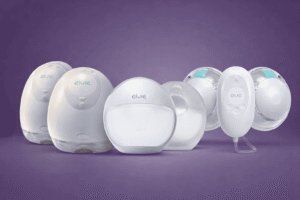
Elvie Pumps: Complete Guide to Elvie Breast Pump Collection 2025...
Read More
Find Your Best Breast Pump with Expert Reviews & Insurance Help
I’ve personally tested over 50 breast pumps to bring you honest reviews, detailed comparisons, and step-by-step insurance guides—so you can choose confidently and get covered easily.
Everything You Need to Find Your Perfect Breast Pump
Expert guidance from a professional nurse who’s been there
Breast Pumps Through Insurance
Step-by-step guides to getting a free or covered pump with your plan. Navigate insurance easily and claim what you’re entitled to.
Learn How →Best Breast Pumps & Buying Guides
Wearable, hospital-grade, portable, budget-friendly—find the right pump for your lifestyle with our comprehensive guides.
Explore Guides →Honest Reviews & Comparisons
Real mom-tested pumps with detailed pros, cons, and alternatives. No marketing fluff—just honest experiences.
Read Reviews →Written by a Professional Nurse & Mom of Two
We test, compare, and explain breast pumps so you don’t have to guess. No fluff, just what actually matters for busy moms like you.
Learn More About Us →My Top Breast Pump Picks
As a mom who’s tested over 50 breast pumps, these are the ones I always recommend to new mothers. Each pump is carefully selected based on my personal experience and the specific needs they address.
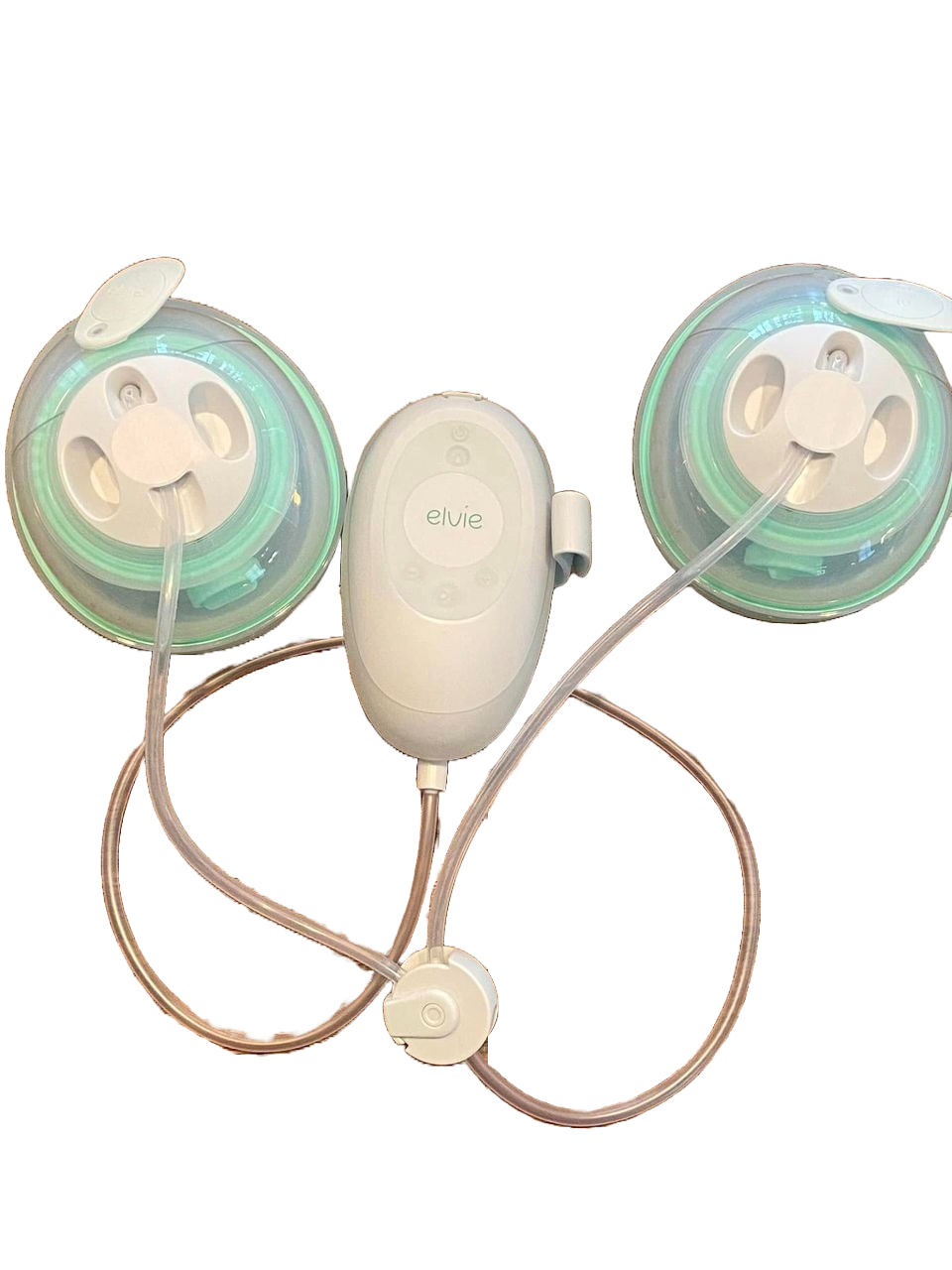
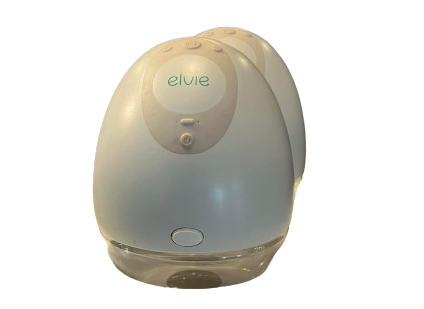
Elvie Wearable
The ultimate hands-free pump that fits right in your bra. Perfect for multitasking moms who need freedom while pumping.
Why I Love It:
- Truly wireless & hands-free
- Quiet enough for discreet pumping
- Smart app connectivity
- No tubes or cords
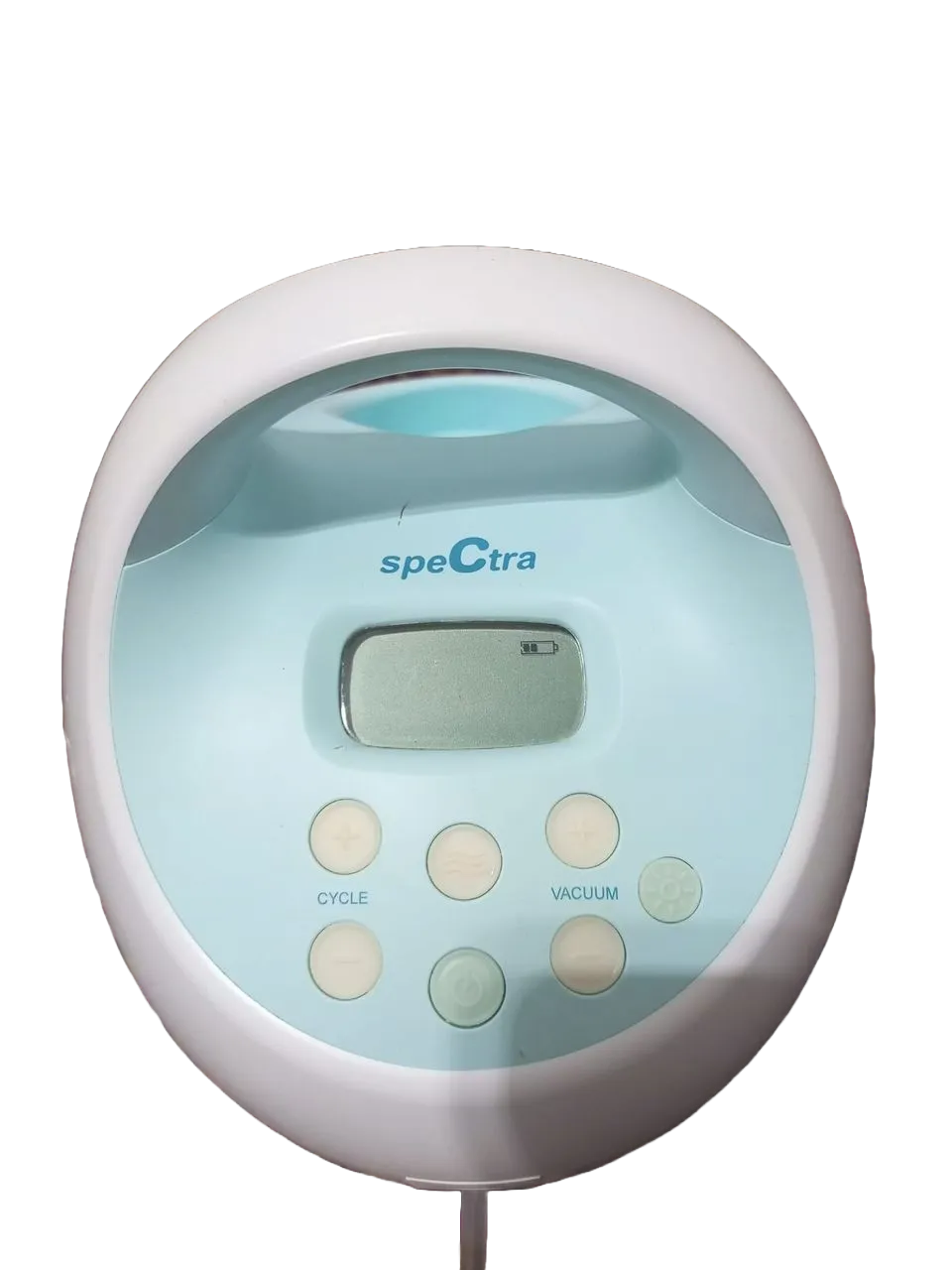
Spectra S1
A powerful yet gentle portable pump with built-in rechargeable battery. Ideal for moms who need hospital-grade suction on the go.
Why I Love It:
- Rechargeable battery lasts for hours
- Gentle yet efficient suction
- Closed system for hygiene
- Customizable settings
Medela Symphony
The gold standard hospital-grade pump. Perfect for establishing supply, premature babies, or mothers with nursing challenges.
Why I Love It:
- Clinically proven to increase milk output
- 2-Phase Expression technology
- Ideal for supply issues
- Extremely durable build
Recent Posts
Elvie Stride 2 Breast Pump Review: The Evolution Of Hands-free Pumping
Elvie Stride 2 Breast Pump: Complete Guide & Hands-On Experience...
Read MoreNCVI Neckband Wearable Breast Pump: Specs & Reviews
NCVI Neckband Wearable Breast Pump – The Hands-Free Design That...
Read MoreBest Breast Pump For Small breasts (Wearable & Portable)
Best Breast Pump For Small Breasts (Wearable & Portable) –...
Read MoreHigh Quality Information About Breast Pumps
- Comprehensive breast pump information and reviews
- Tips and advice for successful breastfeeding and pumping
- Community support and resources for new mothers
We have tested over 30 different brands of breast pumps. Check out;
Shop Premium Breast Pumps
As a mom who’s tested dozens of pumps, I’ve handpicked these top performers for comfort, efficiency, and convenience. Trust my experience to help you find your perfect match!
Elvie Wearable
Learn More
Willow 3.0 Wearable
Learn More
Elvie Stride
Learn More
Momcozy M9
Learn More
Medela Pump In Style
Learn More
Spectra S1
Learn More
Motif Luna
Learn MoreBreast Pump Academy
Everything I’ve learned from testing 50+ pumps and nursing two babies. Let me guide you through every step of your pumping journey with confidence and clarity.
Pump Basics 101
Learn how breast pumps work, understand closed vs. open systems, and discover why proper flange sizing can make or break your pumping experience.
Start Learning →Step-by-Step Usage
Master effective pumping sessions with my proven techniques. From proper positioning to optimizing letdown, I’ll walk you through it all.
See the Guide →Troubleshooting Tips
Solve common pumping problems fast! Get my expert solutions for suction issues, discomfort, clogged ducts, and low output.
Fix Problems →Work & Travel Tips
Pumping at the office, airports, or on busy days? I’ve done it all. Learn my secrets for staying comfortable and productive anywhere.
Get Tips →Must-Have Accessories
The gear that actually matters! From pump bags to cleaning tools and coolers, discover what I personally use and recommend.
Shop Essentials →Milk Storage & Feeding
Safe storage guidelines, proper thawing techniques, and feeding best practices to protect your precious liquid gold.
Learn More →🌟 Not Sure Where to Start?
Let me help you find the perfect pump for your unique situation. With years of hands-on experience and testing over 50 brands (this number can increase), I can guide you to the right choice.
Frequently Asked Questions
Get answers to the most common questions about breast pumps from a mom who’s tested them all
- Elvie Wearable – Best overall for hands-free convenience and discreet pumping
- Spectra S1 – Best portable pump with hospital-grade suction power
- Medela Symphony – Best hospital-grade for supply issues and exclusive pumping
- Willow 3.0 – Best spill-proof wearable design for active moms
- Momcozy M9 – Best budget-friendly wearable option without sacrificing quality
- Manual Pumps – Hand-powered, simple, portable, and budget-friendly
- Single Electric Pumps – Battery or plug-in powered, pumps one breast at a time
- Double Electric Pumps – Pumps both breasts simultaneously, saving time and effort
- Wearable/Hands-Free Pumps – Fits in your bra for ultimate mobility and discretion
- Hospital-Grade Pumps – Multi-user designs with the strongest suction, often rented
- Working moms who need to pump discreetly at the office or during meetings
- Multitasking – cook, work on your laptop, or care for other children while pumping
- Freedom – no more being tethered to a wall outlet or stuck in one place
- Privacy – pump anywhere without the hassle of setup or finding a private space
- Travel-friendly – compact design makes them perfect for commuting or trips
- Compact Design – Small, discreet units that fit comfortably inside your nursing bra
- Built-in Collection – Milk collects directly in the pump unit or attached containers
- Rechargeable Battery – No cords, outlets, or external power sources needed
- Smart App Control – Many models connect to smartphone apps for custom settings
- Whisper-Quiet Operation – Designed for discreet use in public, work, or social settings
- Multiple Suction Modes – Adjustable intensity levels to match your comfort and needs
- Suction Power – Hospital-grade pumps offer stronger, more consistent suction that mimics baby’s feeding
- Motor Durability – Built to run continuously for multiple users without losing effectiveness
- Efficiency – Better at initiating milk supply and maintaining production over time
- Cost Difference – Hospital-grade: $200-$400 (often rented), Personal: $50-$300 (purchased)
- Best Usage – Hospital-grade ideal for exclusive pumping, premature babies, or supply challenges
- Multi-User Capability – Hospital-grade pumps are designed for safe sharing with personal accessory kits
- Elvie Wearable – Perfect for pumping during meetings, commutes, or while working at your desk
- Spectra S1 – Rechargeable with powerful suction for efficient, quick sessions
- Willow 3.0 – Spill-proof design ideal for active workdays and movement
- Medela Pump in Style – Reliable double electric pump with discreet carrying case
- Assess Your Lifestyle – Are you working full-time, staying home, or traveling frequently?
- Pumping Frequency – Will you pump occasionally, daily, or exclusively?
- Budget Considerations – Check insurance coverage first (many pumps are completely free!)
- Comfort Priorities – Do you need quiet operation, hands-free capability, or maximum suction?
- Portability Needs – Do you need a desktop model, portable option, or wearable design?
- Cleaning Convenience – How much time can you dedicate to cleaning parts?
- After Each Use – Wash all parts that touch breast milk (flanges, bottles, valves, membranes) with warm soapy water
- Rinse Thoroughly – Ensure no soap residue remains on any parts
- Air Dry – Place parts on a clean drying rack or paper towel; never use dish towels
- Sanitize Regularly – Steam sterilize or boil parts once daily, especially for newborns or immune-compromised babies
- Replace Parts – Valves and membranes should be replaced every 4-8 weeks, or when they show wear
- Dishwasher Option – Many parts are dishwasher-safe (top rack only) – check your manual first
- Established Supply – 15-20 minutes per session for regular maintenance
- Building Supply – 20-30 minutes to fully empty breasts and stimulate production
- Exclusive Pumping – 20-30 minutes per session, 8-12 times daily initially
- Occasional Pumping – 10-15 minutes is usually sufficient for comfort or stash building
- Power Pumping – Cluster pumping (pump 20 min, rest 10 min, repeat) to boost supply
- Early Weeks (0-6 weeks) – Pump 8-12 times per day, including at least once overnight
- Established Supply (6+ weeks) – Reduce to 6-8 times daily based on your goals and baby’s feeding pattern
- Working Moms – Pump every 3-4 hours during work hours to maintain production
- Building a Stash – Add 1-2 extra pumping sessions, ideally in the morning when supply is highest
- Maintain Overnight – Include at least one session between midnight and 5am for optimal hormone levels
- Coverage – Most plans cover one pump per pregnancy or birth
- Timing – You can typically order 30-90 days before your due date
- Options Available – Coverage ranges from basic manual pumps to advanced hospital-grade models
- Simple Process – Usually just requires online forms or a prescription from your doctor
- Upgrade Options – Some plans allow you to pay the difference for premium models
- Approved Suppliers – Most insurers work with specific durable medical equipment (DME) providers
- Normal Duration – Most mothers pump for 15-25 minutes per session without issues
- Listen to Your Body – Stop immediately if you experience pain, soreness, or discomfort
- Avoid Over-Pumping – Excessive frequency or duration can lead to irritation, oversupply, or mastitis
- Proper Flange Fit – Ensures comfort and prevents nipple damage or trauma
- Appropriate Suction – Use the lowest effective suction level; higher isn’t always better
- Rest Between Sessions – Allow adequate time for breast tissue to recover
- Hands-Free Pumping Bra – Holds flanges in place, allowing you to multitask or relax during sessions
- Nursing Tops – Easy breast access makes setup and cleanup faster
- Pumping-Friendly Sports Bras – Some have built-in flange holes for wearable pumps
- DIY Option – Cut small holes in an old sports bra as a budget alternative
- Wearable Pump Bras – Specifically designed to accommodate in-bra pump units
- Supply Boost – Pumping can help increase milk production, especially if baby isn’t nursing frequently
- Flexibility – Build a stash for daycare, work, or caregiver feedings while maintaining direct nursing
- Relief – Pumping can relieve engorgement when baby sleeps longer than usual
- Partner Involvement – Stored milk allows partners to help with feedings
- Return to Work – Maintain breastfeeding relationship while meeting work demands
- Comfort – No pain, pinching, or excessive discomfort during use
- Effective Suction – Creates gentle but consistent vacuum pressure
- Milk Expression – You’re able to express milk effectively (though amount varies by session)
- Consistent Performance – Pump maintains steady rhythm without stopping or sputtering
- Proper Assembly – All parts fit together correctly with no air leaks
- Dishwasher-Safe Parts – Most flanges, bottles, and valve bodies can go on the top rack
- Hand-Wash Only – Delicate parts like membranes, thin valves, and tubing usually need gentle hand washing
- Top Rack Placement – Always use the top rack to avoid melting from high heat
- Skip Heated Dry – Air dry or use a dedicated drying rack instead
- Alternative Method – Warm soapy water and air drying works perfectly for all parts
- Sanitizing Option – Dishwasher sanitize cycle or steam bags provide extra sterilization
- Time of Day – Most moms produce more milk in the early morning hours
- Time Since Last Session – Longer gaps between pumping typically yield more milk
- Hydration Levels – Dehydration can temporarily reduce milk production
- Rest and Stress – Fatigue and stress hormones can inhibit letdown and reduce output
- Pumping Technique – Proper flange fit and massage can increase efficiency
- Hormonal Fluctuations – Monthly cycles can affect supply temporarily
- Double vs. Single Pumping – Pumping both breasts simultaneously often yields more total milk
- Third Trimester Education – Learn about your pump and practice assembly (no actual pumping needed)
- Insurance Orders – Order your pump 30-90 days before your due date to ensure timely arrival
- Prenatal Pumping – Generally not recommended before 37 weeks unless medically supervised
- Medical Exceptions – Some conditions may benefit from antenatal expression (doctor’s guidance required)
- After Birth – Most moms begin pumping within the first few days to establish supply
- Building a Stash – Wait 4-6 weeks after birth before adding extra pumping sessions
- Contamination Risk – Breast milk residue and bacteria can remain even after thorough cleaning
- Motor Degradation – Personal-use pumps lose suction power over time and may be ineffective
- No Safety Guarantee – You can’t verify the previous owner’s hygiene practices or pump history
- Mold and Bacteria – Hidden moisture can harbor dangerous pathogens in internal components
- Warranty Void – Manufacturer warranties don’t transfer to second owners
- Hands-Free Pumping Bra – Essential for multitasking and comfort during sessions
- Extra Flanges – Multiple sizes help you find the perfect fit; keep extras at work
- Replacement Parts – Stock up on valves, membranes, and tubing for quick swaps
- Storage Solutions – Quality milk storage bags, bottles, and labels for organization
- Cooler Bag with Ice Packs – Keep expressed milk safe when away from refrigeration
- Cleaning Tools – Bottle brushes, drying racks, and steam sterilizer bags
- Nipple Cream – Lanolin or coconut oil for comfort and healing
- Portable Battery Pack – Extra power for electric pumps on the go
- Pumping Log App – Track sessions, amounts, and schedule for supply management
- Standard Coverage – Most plans cover one pump per pregnancy or birth
- Plan Changes – Switching insurance providers may allow a new pump benefit
- Multiple Births – Some plans provide additional coverage for twins or multiples
- Upgrade Options – Many insurers allow you to pay the cost difference for premium models
- Replacement Coverage – Damaged or broken pumps may qualify for replacement depending on circumstances
- Medical Necessity – Doctor’s prescription for specific pump types may expand coverage
- Timeframe Limits – Some plans allow one pump per calendar year vs. per pregnancy
Signs of breast tissue damage from pumping
While breast pumping is generally safe when done correctly, there are certain signs of breast tissue damage from pumping that you should watch for — because pumping should not be painful or cause injury. Common warning signs include:- Persistent pain or discomfort during or after pumping — Pain that doesn’t go away after adjusting pump settings or flange fit may indicate tissue irritation or damage rather than normal suction discomfort.
- Redness, swelling or bruising around the nipple or breast tissue — These visual changes can be a sign of trauma from excessive suction, incorrect flange size, or prolonged pumping sessions.
- Skin cracks, blisters or fissures on the nipple/areola — If the suction pulls too hard or the flange fit is improper, the skin can crack, peel, or blister, which are physical signs of tissue injury.
- Bleeding or blister-like spots — Visible wounds, bleeding, or blistering after pumping are strong indicators that the breast tissue has been excessively stressed or damaged.
- Localized lumps or tenderness that don’t resolve — Hard spots that are painful to the touch, especially if not typical engorgement, might point to clogged ducts or inflammation linked to mechanical stress from pumping.
- Warmth, fever, or signs of infection — Although these symptoms can occur with conditions like mastitis, they can also follow tissue injury if bacteria enter through broken skin. See a healthcare provider if you have systemic symptoms.
Breast Pumps Comparison
As a mom who’s tested dozens of breast pumps, I’ve created this comprehensive comparison table to help you find your perfect match. I’ve carefully evaluated each pump based on suction strength, comfort levels, noise, portability, battery life, and value for money – all the factors that matter most to busy moms. Compare your options and make a confident choice that fits your unique breastfeeding journey!
Start Comparing Now| Feature | Elvie | Willow |
|---|---|---|
![]() | ![]() | |
| Price | $549 | $499 |
| Dimensions | 4.3″ (L) x 2.7″ (W) x 5″ (H) | 5.67 x 4.41x 3.35 inches; 12. ounces |
Weight | 225 grams or 7.9 oz. | 12.5 oz. |
| Number of Parts | 5 | 5 |
| Maximum Pressure | 220 mmHG | 280 mmHG |
| Capacity | 5 oz. | 5 oz. |
| Carrying Case Included | Yes | Yes |
| Warranty | 2 years | 1 year |
| Noise Level | 37 dB | 42 dB |
| Suction Level | Up to 280 mmHG | Up to 240 mmHG |
| FDA Clearance | Yes | Yes Read Full Review |
Need help in choosing the right pump?
Welcome to our go-to guide for choosing the perfect breast pump tailored to your needs. Our website simplifies the overwhelming process of selecting a breast pump by offering expert advice, reviews, and comparisons.
Whether you’re a new mom, a professional, or seeking a more comfortable pumping experience, we’ve got you covered. We explore the latest advancements in technology, compare top brands, and provide user testimonials to help you make an informed decision.
From hospital-grade pumps to portable options, we break down factors such as noise level, suction strength, and ease of cleaning. Our goal is to empower you with the knowledge and confidence to seamlessly integrate the best breast pump into your routine.
Say goodbye to guesswork and welcome a stress-free breastfeeding journey with our expert guidance. Whether you’re a first-time mom or upgrading, let our website be your trusted companion in this important decision-making process.
Breast Pump Insurance Coverage
Did you know that many insurance plans cover the cost of breast pumps? Learn about your coverage options and how to get your pump through insurance.
- Check your eligibility
- Wide range of covered pumps
- Easy claim process
- Expert assistance available
Flange Size Chart
| Nipple Size (mm) | Recommended Flange Size (mm) |
|---|---|
| 15 | 19 |
| 17 | 21 |
| 20 | 24 |
| 23 | 27 |
| 25 | 28 |
| 28 | 32 |
| 30 | 33 |
| 32 | 36 |
+4mm rule: Add 4 millimeters to your nipple measurement to account for expansion during pumping.
How We Test Breast Pumps
At Breast Pumps Hub, we’re committed to providing you with trustworthy, comprehensive reviews. Our testing process is rigorous and thorough:
- Real-World Testing: Each pump is tested by real moms for 2-4 weeks.
- Key Factors Evaluated: We assess effectiveness, comfort, ease of use, portability, noise level, cleaning, durability, and value for money.
- Expert Input: We consult with lactation specialists and breastfeeding experts.
- User Experiences: We incorporate feedback from our #mumtribe community and online forums.
Our goal? To help you find the perfect pump for your breastfeeding journey.
Learn MoreTestimonials
Grateful for the invaluable assistance this website provided in my quest for the ideal breast pump. As a busy professional, the prospect of choosing the right pump seemed daunting, but the comprehensive reviews and user-friendly comparisons made the process seamless.
Sarah Jones
New Mom
Choosing a breast pump felt like navigating uncharted territory until I stumbled upon this website. The wealth of information, expert advice, and user reviews provided me with the clarity I needed.
Jessica Foxx
Interested? Shop This Breast Pump Collection
Discover comfort and convenience in our Breast Pumps Collection Shop. From sleek portable options to powerful hospital-grade pumps, we’ve curated a range to suit every mom’s unique needs. Elevate your breastfeeding experience with our top-notch selection.